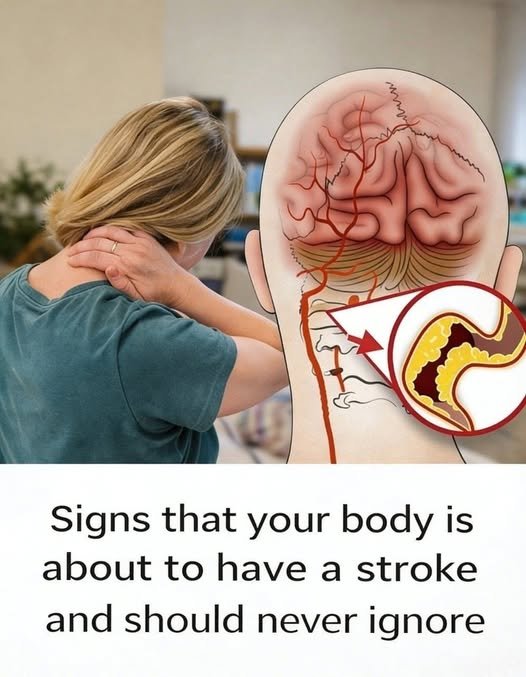
A stroke can happen suddenly, and every minute matters. Recognizing the warning signs and getting emergency medical help quickly can reduce the risk of permanent brain damage and disability.
Some symptoms may appear briefly and then disappear. These can sometimes represent a transient ischemic attack (TIA), often called a “mini-stroke,” which is also a medical emergency and an important warning that a major stroke could follow.
1. Sudden Numbness or Weakness
One of the most recognizable warning signs is sudden weakness or numbness, particularly affecting:
- The face
- One arm
- One leg
- One side of the body
Ask the person to raise both arms. If one arm drifts downward or they cannot lift it normally, seek emergency medical help immediately.
2. Sudden Facial Drooping
A person having a stroke may suddenly develop weakness on one side of the face.
Ask them to smile. One side of the mouth may droop, or the smile may look uneven.
Facial drooping combined with arm weakness is particularly concerning.
3. Sudden Trouble Speaking
Stroke can affect the parts of the brain responsible for language and speech.
Warning signs include:
- Slurred speech
- Difficulty finding words
- Saying words incorrectly
- Being unable to speak
- Suddenly having trouble understanding what others are saying
Even if the person seems otherwise alert, sudden speech difficulty should be treated as an emergency.
4. Sudden Confusion
A person may suddenly become confused or have difficulty understanding simple instructions or conversations.
They might seem unusually disoriented or unable to answer basic questions normally.
Sudden confusion can have many causes, but when it appears abruptly—especially alongside other stroke symptoms—it requires immediate evaluation.
5. Sudden Vision Changes
A stroke can affect vision in one or both eyes.
Possible symptoms include:
- Sudden blurred vision
- Double vision
- Loss of vision
- Difficulty seeing to one side
- Sudden visual disturbances
Don’t wait to see whether the problem resolves on its own.
6. Sudden Difficulty Walking
A person experiencing a stroke may suddenly have trouble walking or maintaining balance.
They may stumble, feel unusually unsteady, or have difficulty coordinating their movements.
Sudden loss of coordination is especially concerning when it occurs together with dizziness or other neurological symptoms.
7. Sudden Severe Headache
A sudden, extremely severe headache with no obvious explanation can be a warning sign of a serious neurological emergency, including certain types of stroke.
It may occur with:
- Vomiting
- Dizziness
- Neck stiffness
- Loss of consciousness
- Neurological changes
A sudden “worst headache” or unusually severe headache warrants immediate emergency assessment.
8. Sudden Dizziness or Loss of Balance
Sudden dizziness, difficulty standing, or loss of coordination can occur during a stroke.
These symptoms can sometimes be mistaken for an inner-ear problem or ordinary dizziness. If they begin suddenly, particularly alongside difficulty speaking, weakness, vision changes, or severe headache, seek emergency care.
9. Sudden Difficulty Swallowing
A stroke can affect the muscles involved in swallowing.
Someone may suddenly cough or choke when trying to swallow, have difficulty controlling saliva, or develop an unusual change in their voice.
Sudden swallowing difficulty should be evaluated urgently.
10. Symptoms That Disappear Quickly
Don’t assume everything is fine simply because symptoms disappear after a few minutes.
Temporary stroke-like symptoms may indicate a TIA. A TIA can be a warning of an impending stroke and requires urgent medical assessment.
There is no reliable way to determine at home whether symptoms are a TIA or an actual stroke.
Remember FAST
A simple way to remember the most important stroke warning signs is FAST:
F — Face: Is one side of the face drooping?
A — Arms: Is one arm weak or drifting downward?
S — Speech: Is speech slurred, strange, or difficult to understand?
T — Time: Call emergency medical services immediately.
If any of these signs appear suddenly, don’t wait for them to improve.
What Should You Do?
If you suspect a stroke:
- Call your local emergency medical service immediately.
- Note the time the symptoms first appeared, or the last time the person was known to be normal.
- Keep the person safe and comfortable while waiting for help.
- Don’t give food, drink, or medication unless instructed by medical professionals.
- Don’t drive the person yourself if emergency medical transport is available.
The Most Important Message
A stroke is a medical emergency. Don’t wait for all 10 symptoms to appear. Even one sudden stroke warning sign can be enough to require immediate emergency evaluation.
Fast treatment can make a major difference, so when stroke is suspected, act immediately rather than waiting to see what happens.