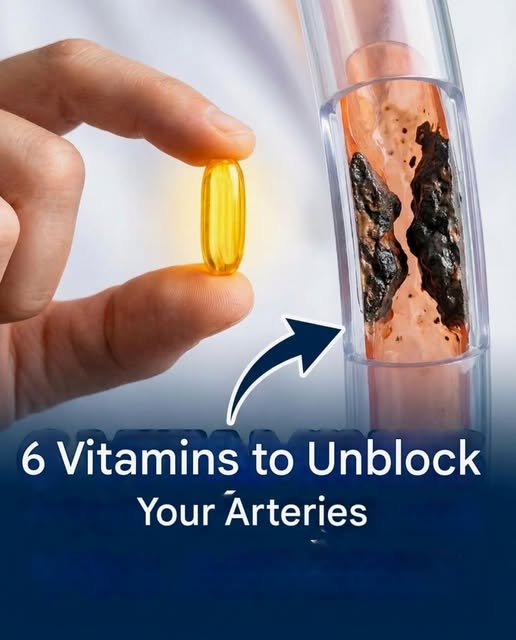
Your arteries work around the clock, carrying oxygen and nutrients throughout your body. Over time, factors such as high LDL cholesterol, high blood pressure, diabetes, smoking, physical inactivity, and excess weight can contribute to atherosclerosis, a condition in which plaque builds up inside artery walls.
It’s natural to wonder whether vitamins can help keep arteries healthy.
The answer is more nuanced than many online headlines suggest. Vitamins are important for normal body function, but taking large doses of supplements does not “clean out” blocked arteries or dissolve plaque. The American Heart Association emphasizes a food-first approach and recommends managing established cardiovascular risk factors rather than relying on supplements.
That said, getting adequate amounts of certain vitamins is an important part of maintaining overall health.
1. Vitamin C
Vitamin C is an antioxidant that helps protect cells and is required for collagen production, wound healing, and normal immune function.
Fruits and vegetables are excellent sources, including:
- Oranges and other citrus fruits
- Guava
- Kiwi
- Strawberries
- Bell peppers
- Broccoli
- Tomatoes
Although vitamin C is important nutritionally, research has not established vitamin C supplements as a reliable way to prevent or treat cardiovascular disease. NIH evidence reviews note that most clinical trials have not found a cardiovascular benefit from vitamin C supplementation.
Food first
Instead of taking high-dose vitamin C specifically for your arteries, regularly include vitamin-C-rich fruits and vegetables in a balanced diet.
2. Folate
Folate, also known as vitamin B9, helps the body make DNA and supports normal cell division. It also participates in the metabolism of homocysteine, an amino acid associated with cardiovascular risk.
Folic acid supplements can lower homocysteine levels, but lowering homocysteine does not automatically translate into lower cardiovascular disease risk. NIH notes that trials have generally not shown a reduction in major cardiovascular events, although some research has found a reduction in stroke risk in particular populations.
Good food sources include:
- Leafy green vegetables
- Beans and lentils
- Asparagus
- Avocado
- Citrus fruits
- Fortified grain products
3. Vitamin B12
Vitamin B12 works with folate in several important processes, including normal red blood cell formation and nervous-system function.
B12 deficiency can increase homocysteine levels, so maintaining adequate B12 is important.
People at greater risk of B12 deficiency can include some older adults, people following strict vegan diets, and individuals with certain gastrointestinal conditions or medications that interfere with B12 absorption.
Sources include:
- Fish
- Meat
- Eggs
- Milk and dairy products
- Fortified foods
If you suspect a deficiency, testing and individualized advice are more useful than automatically taking large doses.
4. Vitamin B6
Vitamin B6 is another B vitamin involved in protein metabolism and homocysteine metabolism.
It is found naturally in foods such as:
- Chicken
- Fish
- Potatoes
- Chickpeas
- Bananas
- Fortified cereals
Although B6 participates in homocysteine metabolism, taking B-vitamin supplements simply to lower cardiovascular risk isn’t supported as a general treatment for heart disease. Evidence suggests that effects can vary according to nutritional status and population.
5. Vitamin D
Vitamin D is essential for bone health, muscle function and several other physiological processes.
Foods containing vitamin D include:
- Fatty fish
- Egg yolks
- Fortified milk
- Fortified plant-based beverages
- Some fortified cereals
However, taking extra vitamin D when you don’t need it has not been shown to prevent cardiovascular disease.
More is not necessarily better. High-dose vitamin D supplementation without medical need can potentially cause harm.
If you’re concerned about vitamin D deficiency, a healthcare professional can determine whether testing or supplementation is appropriate.
What About Vitamin E?
Vitamin E is an antioxidant found naturally in foods such as nuts, seeds and vegetable oils.
It is sometimes marketed as a supplement for cardiovascular protection, but antioxidant supplements have not demonstrated the same benefits as obtaining antioxidants through a healthy diet.
The American Heart Association does not recommend relying on antioxidant vitamin supplements such as vitamins A, C and E to lower blood pressure, lower cholesterol or prevent cardiovascular disease.
So rather than taking high-dose vitamin E, focus on foods such as:
- Almonds
- Sunflower seeds
- Peanuts
- Avocado
- Vegetable oils
- Spinach
The Most Important “Vitamin Strategy” Is Actually Your Diet
A heart-healthy dietary pattern provides vitamins and minerals together with fiber, healthy fats and other beneficial compounds.
The American Heart Association’s updated 2026 dietary guidance emphasizes:
- Plenty of vegetables and fruits
- Whole grains
- Healthy sources of protein
- Unsaturated fats instead of saturated fats
- Minimally processed foods
- Less added sugar
- Lower sodium intake
- Appropriate calorie intake for maintaining a healthy weight
This approach is much more meaningful for long-term cardiovascular health than trying to find one vitamin that supposedly “cleans” arteries.
Can Vitamins Unclog Blocked Arteries?
No vitamin has been proven to quickly remove plaque from blocked arteries.
Atherosclerosis develops over time, and management depends on the location and severity of disease and a person’s overall cardiovascular risk.
Treatment may involve lifestyle changes and, when medically indicated, medications that address cholesterol, blood pressure, diabetes or other risk factors.
If you already have diagnosed artery disease, don’t stop prescribed medication and substitute vitamins.
Should You Take a Multivitamin?
A multivitamin can be useful for some people who aren’t meeting nutritional requirements, but it shouldn’t be viewed as a cardiovascular treatment.
The American Heart Association recommends discussing individual supplement needs with a healthcare professional and emphasizes obtaining nutrients primarily from a varied diet.
A supplement may make sense when there is:
- A documented nutrient deficiency
- A restricted diet
- A condition affecting nutrient absorption
- A medically identified nutritional requirement
- Another specific reason recommended by a healthcare professional
How to Take Supplements More Safely
If you use vitamin supplements, keep these principles in mind:
Don’t assume higher doses are better
Large doses can cause side effects and, depending on the vitamin, can accumulate in the body.
Check the label
Avoid unintentionally taking several products containing the same vitamins.
For example, a multivitamin plus a separate “heart health” supplement may contain overlapping nutrients.
Tell your healthcare professional what you take
This is particularly important if you use prescription medications or have kidney, liver, heart or other chronic conditions.
The American Heart Association specifically recommends keeping healthcare professionals informed about the vitamins and supplements you use.
Don’t use vitamins instead of proven treatment
If you have high LDL cholesterol, high blood pressure, diabetes or established cardiovascular disease, vitamins should not replace the treatment recommended for your condition.
Foods That Naturally Provide Artery-Friendly Nutrients
Rather than building your diet around supplements, try combining several nutrient-rich foods throughout the week.
Breakfast
Oatmeal topped with berries, walnuts and a small amount of plain yogurt.
Lunch
A lentil or chickpea salad with leafy greens, tomatoes, cucumber, avocado and olive oil.
Snack
An orange, guava or a small handful of unsalted nuts.
Dinner
Grilled salmon or another fish with roasted vegetables and whole grains.
This type of eating pattern naturally provides many vitamins and minerals while also supplying fiber and other nutrients associated with a heart-healthy diet.
Don’t Forget the Bigger Picture
Vitamins are only one small part of cardiovascular health.
According to the American Heart Association, important modifiable factors include:
- Blood pressure
- Cholesterol
- Blood sugar
- Physical activity
- Smoking
- Weight
- Sleep
- Overall diet
For someone worried about artery health, checking these factors is generally more informative than simply purchasing a high-dose vitamin supplement.
When to Seek Medical Attention
Vitamin supplements should never delay evaluation of possible cardiovascular symptoms.
Seek urgent medical attention for symptoms such as:
- New or severe chest pressure or pain
- Significant shortness of breath
- Sudden weakness or numbness on one side
- Sudden difficulty speaking
- Sudden vision loss
- Sudden severe dizziness or loss of balance
These can be signs of serious cardiovascular or neurological problems.
Final Thoughts
Supporting artery health isn’t about finding a single powerful vitamin or supplement.
The safer approach is to meet your nutritional needs through a varied, heart-healthy diet, correct genuine deficiencies when necessary, and manage the cardiovascular risk factors that actually drive artery disease.
Vitamins such as C, D, B6, B9 and B12 all have important biological roles, but taking extra amounts doesn’t mean that arteries will become “clean” or that existing plaque will disappear.
Think of vitamins as part of the foundation of good nutrition—not as a substitute for medical care.
SEO Details
SEO Title: How to Support Artery Health with Vitamins Safely
Meta Description: Learn which vitamins support normal health, what the evidence says about supplements and heart health, and how to use vitamins safely without relying on them to unclog arteries.
Focus Keyword: vitamins for artery health
Slug: support-artery-health-with-vitamins
Suggested Excerpt: Vitamins are important for overall health, but they aren’t a magic solution for blocked arteries. Learn how to get key nutrients safely and protect cardiovascular health through proven strategies.