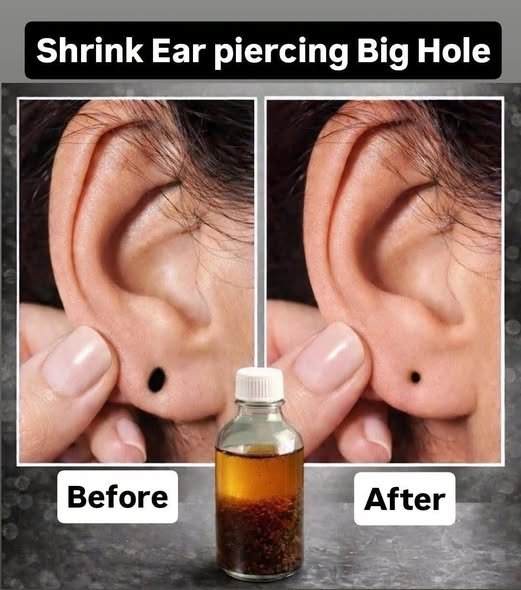
Drooping or elongated earlobes can become more noticeable with age, repeated use of heavy earrings, stretched piercings, or previous ear injuries. Many people search for a natural way to make their earlobes look firmer and less stretched without surgery.
The good news is that there are simple things you can do at home to protect your earlobes and prevent further stretching. However, it is important to set realistic expectations: home remedies cannot reliably tighten significantly stretched or torn earlobe tissue.
If the earlobe has become stretched from heavy jewelry or gauges, it may shrink somewhat after the stretching stops, but the amount of improvement varies and can take months or even years. Significant stretching or tearing may require a minor medical procedure called earlobe repair (lobuloplasty).
Why Do Earlobes Start Drooping?
Several factors can contribute to elongated or sagging earlobes.
Aging
As we age, the skin gradually loses collagen and elasticity. Changes in skin structure can make areas such as the earlobes appear thinner or longer.
Heavy Earrings
Regularly wearing large or heavy earrings puts downward pressure on the earlobe. Over time, this can stretch the piercing and surrounding tissue.
Stretched Piercings
Large gauges or repeatedly stretching a piercing can permanently change the shape of the earlobe. Smaller amounts of stretching may partially contract after the jewelry is removed, but larger stretched openings may not return completely to their original size.
Previous Injury
A tear, cut or other injury can change the shape of the earlobe and may leave stretched or damaged tissue.
1. Stop Wearing Heavy Earrings
One of the simplest things you can do is reduce the weight placed on your earlobes.
For everyday wear, choose:
- Lightweight earrings
- Small studs
- Lightweight hoops
- Clip-on or alternative jewelry when appropriate
If heavy earrings are continuously pulling downward, no amount of skincare can prevent the mechanical stretching caused by that weight.
2. Give Your Earlobes a Break
If you regularly wear earrings, consider having periods when your earlobes are completely free from jewelry.
This doesn’t guarantee that a stretched earlobe will return to its original shape, but it removes the repeated pulling force that can contribute to further stretching.
If you have a recently pierced ear, follow appropriate piercing aftercare rather than repeatedly removing jewelry during the healing period.
3. Keep the Skin Moisturized
A simple fragrance-free moisturizer can help keep the skin comfortable and reduce dryness.
Look for products containing ingredients such as:
- Ceramides
- Glycerin
- Hyaluronic acid
- Petrolatum
Apply a small amount to clean skin once or twice daily.
Remember that moisturizing improves hydration and the appearance of dry skin; it does not physically pull a stretched earlobe back into its original shape. Dermatologists similarly note that ordinary creams have limited ability to lift genuinely sagging skin.
4. Protect Your Earlobes From Sun Exposure
The skin of the ears is regularly exposed to sunlight, and cumulative UV exposure contributes to premature skin aging.
When your ears are exposed to the sun, apply a broad-spectrum sunscreen with an SPF of 30 or higher to exposed skin.
This won’t reverse an already elongated earlobe, but protecting the skin can help maintain overall skin health.
5. Avoid Aggressive Earlobe Massage
You may see online recommendations suggesting vigorous massage with oils to “tighten” earlobes.
There is no good evidence that forceful massage can shrink stretched earlobe tissue.
If you enjoy gently applying moisturizer, use light pressure. Don’t pull, pinch, twist or repeatedly stretch the earlobe.
Aggressive manipulation can irritate the skin and potentially worsen an already damaged piercing.
6. Maintain a Healthy Diet
Your skin requires adequate nutrients to maintain its normal structure.
A balanced diet containing:
- Protein
- Fruits
- Vegetables
- Nuts and seeds
- Whole grains
- Healthy fats
supports general skin health.
However, eating a particular food or taking a supplement cannot selectively tighten your earlobes.
Be cautious with products marketed as “collagen boosters” that promise to reverse sagging skin overnight.
7. Don’t Try DIY Tightening Treatments
Avoid applying irritating substances to the earlobe in an attempt to make it contract.
This includes concentrated:
- Lemon juice
- Vinegar
- Baking soda
- Essential oils
- Undiluted acids
- Strong alcohol-based products
These substances can irritate or damage the skin without actually repairing stretched tissue.
A natural ingredient isn’t automatically a safe or effective treatment.
Can an Earlobe Really Shrink Naturally?
Sometimes, yes—but it depends on how much the tissue has been stretched.
According to Cleveland Clinic, gently stretched earlobes may shrink on their own after the stretching stops, but this can take months to years. Earlobes damaged by an injury or significantly stretched may not return to their previous appearance without treatment.
The smaller the amount of stretching, the more likely some natural contraction may occur.
For a significantly enlarged piercing, however, simply waiting may not produce the result you’re hoping for.
What If the Earlobe Is Torn or Split?
A partially or completely split earlobe is different from ordinary age-related drooping.
Heavy earrings, gauges and injuries can cause stretched or torn earlobes.
Don’t try to glue, tape or stitch a torn earlobe yourself.
A plastic surgeon or appropriately trained medical professional can evaluate the injury and determine whether repair is appropriate.
Earlobe Repair
Earlobe repair, also called lobuloplasty, is a relatively minor procedure used to repair torn, split or significantly stretched earlobes.
During the procedure, a clinician removes damaged or excess tissue and closes the area with small sutures. Cleveland Clinic notes that the procedure commonly takes less than an hour, although the exact approach depends on the individual earlobe.
After healing, the earlobe can have a more natural shape.
When Should You See a Doctor?
Consider getting professional advice if you notice:
- A rapidly changing earlobe
- A painful lump
- Persistent redness or swelling
- Bleeding
- Discharge
- Signs of infection
- A large or enlarging piercing hole
- A partial or complete tear
- A keloid or firm scar around the piercing
- Significant asymmetry that concerns you
Ear keloids, for example, can develop after piercings and may require specific dermatological treatment rather than home remedies.
The Bottom Line
There is no proven homemade cream, oil or kitchen ingredient that can permanently shrink significantly drooping earlobes.
For mild stretching, the most useful approach is prevention: avoid heavy earrings, stop further stretching, protect the skin and give the earlobes time. Some stretched earlobes may gradually contract after the source of stretching is removed.
If the earlobe is significantly stretched, split or torn, professional earlobe repair can provide a more predictable cosmetic result.
The goal shouldn’t be an overnight “natural tightening” trick—it should be protecting the tissue and choosing the safest option for the amount of stretching you actually have.
SEO Details
SEO Title: How to Reduce Drooping Earlobes Naturally at Home
Meta Description: Learn what you can safely do at home for drooping or stretched earlobes, including ways to prevent further stretching and when earlobe repair may be needed.
Focus Keyword: drooping earlobes naturally
Slug: reduce-drooping-earlobes-naturally-at-home
Suggested Excerpt: Drooping earlobes can develop with age, heavy earrings or stretched piercings. Learn realistic home care options and when professional earlobe repair may be necessary.