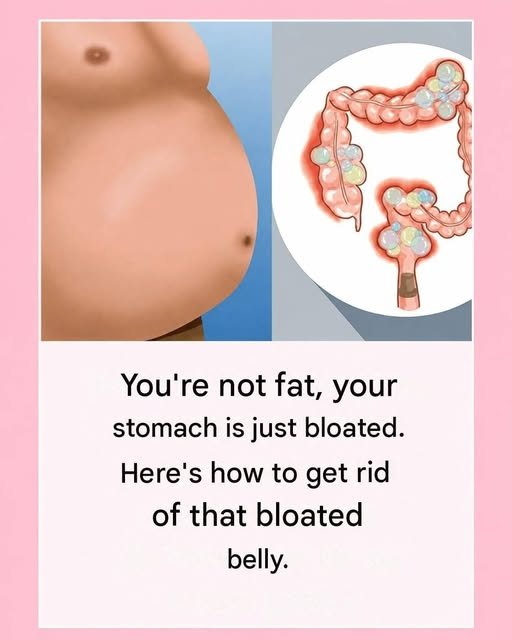
A stomach that looks bigger than usual does not always mean you have gained body fat. Sometimes, the reason your abdomen feels swollen, tight, or uncomfortable is bloating. It can make your belly appear rounder, cause pressure after meals, and even make your clothes feel tighter.
The good news is that occasional bloating is common and can often improve with simple changes to your eating habits and daily routine. However, it is important to understand what causes it and how to manage it safely.
Bloating vs. Belly Fat: How Are They Different?
Bloating and abdominal fat can look similar, but they are not the same.
Bloating is usually related to gas, constipation, fluid shifts, or digestive changes. Your stomach may look flatter in the morning and become more swollen after eating. You may also experience burping, passing gas, or abdominal pressure.
Belly fat develops when the body stores excess energy as fat. It generally changes gradually rather than appearing and disappearing within a few hours.
It is also possible to have both bloating and abdominal fat at the same time. Therefore, a swollen stomach should not automatically be assumed to be a weight problem.
8 Common Reasons Your Stomach Looks Bloated
1. Eating Too Quickly
When you eat quickly, you may swallow more air than usual. This can contribute to gas and abdominal discomfort.
Try slowing down, chewing thoroughly, and putting your spoon or fork down between bites. Eating without rushing can also help you recognize when you are comfortably full.
2. Drinking Carbonated Beverages
Soda, sparkling water, and other fizzy drinks contain dissolved carbon dioxide. Some of this gas can contribute to burping and bloating.
If your stomach frequently feels swollen, try replacing carbonated drinks with plain water or unsweetened tea and see whether your symptoms improve.
3. Eating Too Much at Once
Large meals can leave your stomach feeling overly full and uncomfortable. This is especially common when meals contain substantial amounts of fat, which can slow stomach emptying.
Instead of eating one very large meal, consider smaller portions spread throughout the day.
4. Constipation
Constipation is a common reason for abdominal bloating. When bowel movements become less frequent or stools become hard, gas and stool can accumulate in the digestive tract.
Helpful habits include drinking enough water, gradually increasing dietary fiber, eating fruits and vegetables, and staying physically active.
5. Foods That Produce Gas
Certain foods are nutritious but can produce more gas during digestion.
Common examples include:
-
Beans and lentils
-
Broccoli and cauliflower
-
Cabbage
-
Onions and garlic
-
Some dairy products
-
Certain whole grains
You do not need to eliminate these foods automatically. Instead, notice which ones trigger symptoms and adjust your portions if necessary.
6. Food Intolerances
Some people experience bloating after consuming particular foods because their digestive system has difficulty processing certain ingredients.
For example, lactose intolerance can cause gas, diarrhea, and abdominal discomfort after consuming milk or other dairy products.
If you repeatedly experience symptoms after eating a particular food, consider discussing food intolerance testing or a supervised elimination trial with a healthcare professional.
7. Hormonal Changes
Hormonal fluctuations can contribute to temporary bloating and water retention. Some women experience abdominal swelling around their menstrual cycle.
This type of bloating often improves as hormonal levels change.
8. Stress and Poor Sleep
Stress can affect communication between the brain and digestive system. For some people, this contributes to constipation, abdominal discomfort, or changes in bowel habits.
Regular sleep, relaxation, and physical activity may help support digestive health.
7 Practical Ways to Reduce Stomach Bloating
1. Walk for 10–15 Minutes After Meals
A gentle walk after eating can encourage normal digestive movement and may help relieve feelings of fullness. Avoid intense exercise immediately after a large meal.
2. Drink Enough Water
Staying hydrated supports normal digestion and helps prevent constipation. Drink water regularly throughout the day rather than relying on large amounts at once.
3. Eat Slowly
Take your time during meals. Chew food properly and avoid talking excessively while chewing if you tend to swallow air.
4. Reduce Excess Salt
Eating too much sodium can contribute to temporary water retention. Limit heavily salted snacks, processed meats, instant noodles, and packaged foods.
5. Increase Fiber Gradually
Fiber supports healthy bowel movements, but suddenly increasing your intake can make bloating worse. Add fiber-rich foods gradually and drink enough water.
Good choices include oats, apples, vegetables, berries, and whole grains.
6. Identify Your Trigger Foods
Keep a simple food diary for one or two weeks. Record what you eat, when bloating occurs, and any other symptoms.
This can help identify patterns without unnecessarily removing nutritious foods from your diet.
7. Try Smaller, Balanced Meals
Avoid regularly eating very large meals. Include a reasonable combination of protein, vegetables, and carbohydrates, and adjust portions according to your appetite and digestive comfort.
Foods That May Help Support Digestion
Some foods can be useful as part of a balanced diet:
-
Ginger: Traditionally used to ease digestive discomfort and may help some people with nausea.
-
Plain yogurt: Contains live cultures when labeled with active cultures. It may suit people who tolerate dairy.
-
Bananas: Provide potassium and some fiber.
-
Oats: Contain soluble fiber that supports bowel regularity.
-
Papaya: Provides fiber and digestive enzymes, although it is not a proven treatment for chronic bloating.
-
Cucumber: Provides water and can be a refreshing addition to meals.
Remember that no single food can instantly flatten your stomach or eliminate every cause of bloating.
When Is Bloating a Warning Sign?
Occasional bloating is usually not a reason to panic. However, persistent or worsening symptoms deserve medical attention.
Speak with a healthcare professional if you experience:
-
Frequent bloating that does not improve
-
Unexplained weight loss
-
Persistent abdominal pain
-
Blood in your stool
-
Repeated vomiting
-
Ongoing changes in bowel habits
-
Feeling full unusually quickly
Seek urgent medical attention if abdominal swelling occurs with severe sudden pain, persistent vomiting, or an inability to pass stool or gas.
These symptoms can sometimes indicate a condition that requires prompt treatment.
Frequently Asked Questions
1. Can bloating make me look overweight?
Yes. Gas, constipation, and temporary fluid retention can make your abdomen appear larger even without an increase in body fat.
2. Why is my stomach flat in the morning but bigger at night?
Food, liquids, gas, and normal digestive activity accumulate throughout the day. This can make your abdomen appear more prominent by evening.
3. Does drinking warm water reduce bloating?
Warm water may feel soothing and contributes to hydration, but there is no strong evidence that it directly removes abdominal gas or burns belly fat.
4. Can walking help with bloating?
Yes. Gentle movement after meals may support normal digestion and help some people experience less abdominal discomfort.
5. How long does bloating last?
Mild bloating may improve within hours, depending on its cause. Persistent, recurring, or worsening bloating should be evaluated by a healthcare professional.
Final Thoughts
A bigger-looking stomach does not always mean you are gaining weight. Bloating can result from eating habits, constipation, certain foods, hormonal changes, and digestive conditions.
Start with simple habits: eat slowly, stay hydrated, walk after meals, identify foods that trigger discomfort, and maintain regular bowel movements.
Most importantly, do not confuse temporary bloating with body fat. Understanding the difference can help you choose the right approach instead of following unnecessary restrictive diets or quick-fix remedies.
SEO Details
SEO Title: You’re Not Fat! 7 Ways to Reduce Stomach Bloating Naturally
Meta Description: Think your stomach looks bigger? It may be bloating rather than fat. Discover common causes and 7 practical ways to reduce bloating naturally.
Focus Keyword: How to reduce stomach bloating
Secondary Keywords: stomach bloating, bloated belly, causes of bloating, reduce abdominal bloating, foods that cause gas, natural digestion tips
URL Slug: how-to-reduce-stomach-bloating-naturally