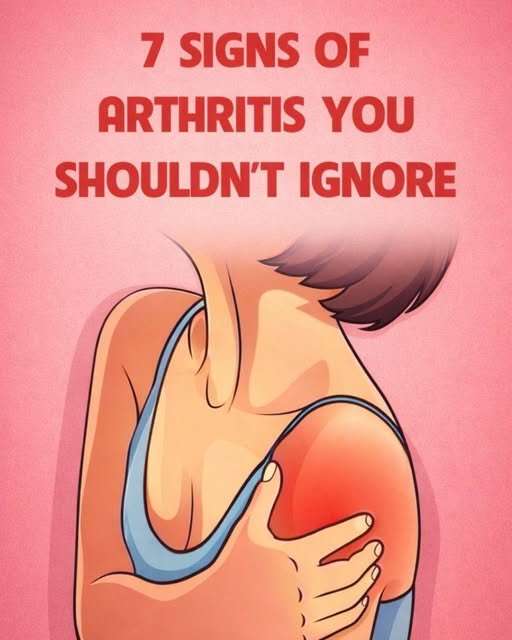
Joint pain is easy to dismiss, especially when it starts gradually. You might notice stiffness in your fingers when waking up, discomfort in your knees while climbing stairs, or swelling around your wrists after everyday activities. At first, these symptoms may seem like ordinary tiredness or the result of getting older.
However, persistent joint discomfort can sometimes be an early warning sign of arthritis.
Arthritis is not a single disease. It describes more than 100 conditions that affect the joints and surrounding tissues. Some forms develop gradually with age, while others involve inflammation caused by the immune system. Recognizing the symptoms early can help you get an accurate diagnosis, manage discomfort, and protect your joint function.
Here are seven arthritis signs you should not ignore.
1. Persistent Joint Pain
One of the most common signs of arthritis is pain in or around a joint.
You may experience discomfort in your knees, hips, hands, feet, shoulders, or spine. The pain may begin mildly and become more noticeable during certain activities.
Different types of arthritis cause different pain patterns:
-
Osteoarthritis often causes pain that becomes worse with activity and improves with rest.
-
Rheumatoid arthritis can cause persistent inflammatory pain, sometimes even when you are resting.
-
Gout can cause sudden, intense attacks of joint pain, commonly affecting the big toe.
Joint pain does not automatically mean you have arthritis. Injuries, tendon problems, and other conditions can cause similar symptoms. However, pain that keeps returning or interferes with daily activities deserves medical attention.
2. Morning Stiffness That Takes Time to Improve
Do your fingers, knees, or other joints feel stiff when you wake up?
Morning stiffness is an important symptom to notice.
People with osteoarthritis may experience stiffness after sleeping or sitting for a long time. It often improves within approximately 30 minutes as they begin moving.
Inflammatory arthritis, including rheumatoid arthritis, can cause morning stiffness lasting longer, sometimes an hour or more.
Pay attention to how long the stiffness lasts and whether it happens regularly. Persistent morning stiffness, especially when accompanied by swelling, should be discussed with a healthcare professional.
3. Swollen or Puffy Joints
Swelling around a joint may indicate inflammation or fluid accumulation.
You might notice that your knuckles look larger than usual, your knees appear puffy, or your fingers feel tight when wearing rings.
Arthritis-related swelling may also be accompanied by:
-
Tenderness when touching the joint
-
Reduced movement
-
Warmth around the affected area
-
Discomfort when bending or straightening the joint
Rheumatoid arthritis commonly causes swelling in several joints, often affecting both sides of the body.
Sudden swelling in one joint, particularly when it is hot, red, and extremely painful, requires urgent medical assessment because joint infection and other serious conditions must be ruled out.
4. Reduced Range of Motion
Another warning sign is difficulty moving a joint through its normal range.
You may find it harder to:
-
Fully bend or straighten your knee
-
Close your hand into a fist
-
Raise your arm above your head
-
Turn your neck comfortably
-
Walk or climb stairs without discomfort
Inflammation, pain, cartilage changes, and joint damage can all contribute to restricted movement.
If everyday activities become increasingly difficult, do not simply accept the limitation as a normal part of aging. Early assessment may help identify the cause and guide treatment.
5. Warmth and Redness Around a Joint
An affected joint may sometimes feel warmer than the surrounding skin.
This can happen because inflammation increases blood flow to the area. Redness may also occur, particularly during certain inflammatory arthritis attacks.
For example, gout can cause a sudden episode in which the affected joint becomes extremely painful, swollen, red, and hot. Although the big toe is a common location, gout can also affect the ankles, knees, wrists, and fingers.
However, warmth and redness are not exclusive to arthritis. A joint infection can produce similar symptoms and may become dangerous without prompt treatment.
If a joint suddenly becomes hot, red, swollen, and painful, seek urgent medical care rather than trying to treat it at home.
6. Unusual Fatigue and General Tiredness
Arthritis does not always affect the joints alone.
Inflammatory conditions such as rheumatoid arthritis can cause fatigue, low energy, and a general feeling of being unwell.
This happens partly because ongoing inflammation can affect the entire body. Pain and disrupted sleep may also contribute to exhaustion.
You might notice that you feel tired even after a full night’s sleep or struggle to complete activities that previously seemed easy.
Fatigue has many possible causes, including anemia, thyroid problems, poor sleep, and infections. When it occurs alongside persistent joint swelling or stiffness, it is worth discussing with a doctor.
7. Joint Symptoms Affecting Both Sides of the Body
The pattern of joint symptoms can provide useful clues.
Rheumatoid arthritis often affects corresponding joints on both sides of the body. For example, you may experience swelling and stiffness in both wrists, both hands, or several finger joints.
This pattern is known as symmetrical joint involvement.
Osteoarthritis, on the other hand, may affect one joint more noticeably than its counterpart, although it can involve several joints over time.
Symmetry alone cannot confirm rheumatoid arthritis, but persistent symptoms affecting multiple joints on both sides deserve medical evaluation.
What Are the Most Common Types of Arthritis?
Understanding the major forms of arthritis can help explain why symptoms differ from person to person.
| Type | Common Characteristics |
|---|---|
| Osteoarthritis | Gradual cartilage and joint changes, pain with activity, stiffness after rest |
| Rheumatoid arthritis | Autoimmune inflammation, swollen joints, prolonged morning stiffness |
| Gout | Sudden attacks of severe pain, redness, swelling, often in the big toe |
| Psoriatic arthritis | Joint inflammation sometimes associated with psoriasis and nail changes |
| Ankylosing spondylitis | Inflammatory back pain and stiffness, often worse after rest |
Each condition requires a different approach to diagnosis and treatment.
How Can You Protect Your Joints?
Although not every form of arthritis can be prevented, healthy habits can support joint function and overall well-being.
1. Maintain a Healthy Weight
Excess body weight places additional pressure on weight-bearing joints, particularly the knees and hips. Gradual weight management may help reduce discomfort in people with osteoarthritis.
2. Stay Physically Active
Low-impact activities such as walking, swimming, and cycling can help maintain mobility and strengthen the muscles supporting your joints.
3. Eat a Balanced Diet
Include vegetables, fruits, whole grains, lean proteins, nuts, and healthy fats. A nutritious eating pattern supports general health, although no particular food can cure arthritis.
4. Avoid Prolonged Inactivity
Sitting in one position for extended periods can increase stiffness. Gentle movement and regular breaks may help.
5. Seek Medical Advice Early
If joint pain, swelling, or morning stiffness continues, arrange an assessment. Early diagnosis is particularly important for inflammatory arthritis because appropriate treatment can reduce inflammation and help prevent permanent joint damage.
How Is Arthritis Diagnosed?
A healthcare professional usually considers your symptoms, medical history, and physical examination.
Depending on the suspected condition, additional tests may include:
-
Blood tests: May help identify inflammation or support the diagnosis of certain inflammatory conditions.
-
X-rays: Can show changes in joint spaces, bones, and cartilage.
-
Ultrasound: Can help identify joint inflammation and fluid accumulation.
-
MRI: May provide detailed information about joints and surrounding tissues.
There is no single blood test that diagnoses every type of arthritis. For example, rheumatoid arthritis can sometimes occur even when certain blood tests are negative.
Frequently Asked Questions
1. What is the earliest sign of arthritis?
Persistent joint pain and stiffness are common early symptoms. In inflammatory arthritis, prolonged morning stiffness and joint swelling may appear early.
2. Can arthritis begin before age 40?
Yes. Although some types become more common with age, rheumatoid arthritis, gout, psoriatic arthritis, and other forms can affect younger adults.
3. Does cracking your joints mean you have arthritis?
Not necessarily. Joint cracking without pain, swelling, or restricted movement is generally not considered a reliable sign of arthritis.
4. Can arthritis be cured?
Most common forms of arthritis do not have a permanent cure, but many can be managed effectively. Treatment may include medication, exercise, physical therapy, and lifestyle changes.
5. When should I see a doctor about joint pain?
Arrange an appointment if joint pain persists, repeatedly returns, causes swelling, or interferes with daily activities. Sudden severe pain with a hot, red, swollen joint requires urgent medical attention.
Final Thoughts
Joint pain should not always be dismissed as tiredness or a normal part of getting older. Persistent discomfort, morning stiffness, swelling, reduced movement, and unusual fatigue can sometimes indicate arthritis.
The important thing is to recognize changes in your joints and seek medical advice when symptoms continue or worsen.
Early diagnosis can make a meaningful difference, particularly for inflammatory forms of arthritis. With the right treatment, physical activity, and healthy habits, many people can maintain mobility and continue enjoying their everyday lives.
SEO Details
SEO Title: 7 Arthritis Signs You Should Never Ignore: Early Symptoms Explained
Meta Description: Discover 7 common arthritis warning signs, including joint pain, morning stiffness, swelling, and fatigue. Learn when to seek medical attention.
Focus Keyword: Arthritis signs
Secondary Keywords: early signs of arthritis, arthritis symptoms, joint pain causes, rheumatoid arthritis symptoms, osteoarthritis warning signs, swollen joints
URL Slug: 7-arthritis-signs-you-should-not-ignore