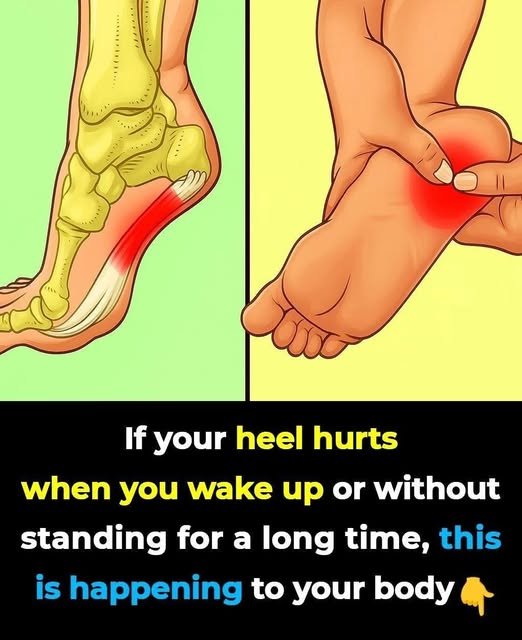
Have you ever stepped out of bed in the morning and felt a sharp, stabbing pain in your heel? Perhaps the first few steps are extremely uncomfortable, but the pain gradually improves as you walk around. This experience is surprisingly common and can make even a simple morning routine difficult.
Morning heel pain is often associated with plantar fasciitis, a condition involving irritation of the thick band of tissue that runs along the bottom of the foot. However, it is not the only possible explanation. Achilles tendon problems, heel bursitis, nerve irritation, stress fractures, and other conditions can also cause discomfort.
Understanding where the pain occurs, when it appears, and what makes it worse can help you identify the possible cause and choose the right next steps.
In this article, we explore the common reasons your heel may hurt in the morning, practical ways to relieve discomfort, and warning signs that should not be ignored.
Why Does Heel Pain Feel Worse in the Morning?
Morning heel pain often occurs because the tissues around your heel and foot become less flexible during periods of rest.
For example, when you sleep, your foot may naturally remain pointed downward. This position can keep the plantar fascia and calf muscles relatively shortened. When you stand up and place your full body weight on your foot, these tissues suddenly stretch.
If the plantar fascia is irritated, this first stretch may produce a sharp or stabbing sensation.
Some people experience improvement after walking for several minutes because movement gradually warms the tissues. However, pain may return after prolonged standing, walking, or sitting.
The exact reason depends on the underlying condition.
7 Common Causes of Heel Pain in the Morning
1. Plantar Fasciitis
<bold>Plantar fasciitis is one of the most common causes of pain beneath the heel.</bold>
The plantar fascia is a strong band of connective tissue that extends from the heel bone toward the toes. It helps support the arch of the foot and absorbs stress during walking and running.
Repeated strain can irritate this tissue and cause pain, particularly near the point where it attaches to the heel.
Common symptoms include:
- Sharp pain underneath the heel.
- Discomfort during the first steps after waking up.
- Pain after sitting for a long time.
- Tenderness when pressing the bottom of the heel.
- Discomfort after prolonged walking or standing.
People who spend many hours standing, suddenly increase their physical activity, or wear poorly supportive footwear may be more likely to develop this problem.
2. Achilles Tendinopathy
The Achilles tendon connects your calf muscles to the heel bone. It plays an important role when walking, climbing stairs, running, and jumping.
Repeated loading or sudden increases in activity can irritate or damage the tendon.
Unlike plantar fasciitis, Achilles tendon pain is usually felt at the back of the heel rather than directly underneath it.
Possible symptoms include:
- Pain or stiffness at the back of the heel.
- Discomfort when getting out of bed.
- Tenderness along the Achilles tendon.
- Stiffness after sitting or resting.
- Pain during running, jumping, or climbing stairs.
Morning stiffness may improve with gentle movement, but excessive exercise can make the condition worse.
3. Heel Bursitis
A bursa is a small fluid-filled sac that helps reduce friction between tissues. Around the heel, these sacs provide cushioning near the Achilles tendon and heel bone.
When a bursa becomes irritated or inflamed, it can cause pain and swelling.
Heel bursitis may develop because of repetitive pressure, unsuitable footwear, or irritation from activities that repeatedly stress the heel.
Common signs include:
- Pain at the back of the heel.
- Swelling or tenderness.
- Discomfort when wearing shoes that rub against the heel.
- Pain during walking or when pressing the affected area.
If the heel becomes noticeably red, hot, or increasingly swollen, medical assessment is important because infection and other conditions may need to be ruled out.
4. Heel Spurs
A heel spur is a small bony growth that develops on the heel bone. It may be visible on an X-ray and is sometimes associated with long-term strain around the plantar fascia.
However, an important point is that heel spurs do not always cause pain.
Many people have heel spurs without experiencing any symptoms. When someone has heel pain and a heel spur is found on imaging, the spur may not necessarily be the actual source of discomfort.
Treatment generally focuses on the underlying cause of pain rather than removing the spur.
5. Stress Fractures
A stress fracture is a small crack in a bone that develops through repeated loading or overuse.
The heel bone, known as the calcaneus, can develop a stress fracture after activities such as running, jumping, or suddenly increasing exercise intensity.
Unlike typical plantar fasciitis, stress fracture pain may become progressively worse with weight-bearing activity.
Possible symptoms include:
- Deep heel pain.
- Pain that increases with walking or exercise.
- Swelling around the heel.
- Tenderness when pressing the heel.
- Difficulty putting weight on the affected foot.
A suspected stress fracture should be medically assessed. Continuing high-impact exercise can worsen the injury.
6. Nerve Compression or Irritation
Nerves around the ankle and foot can become compressed or irritated, producing heel pain.
One example is tarsal tunnel syndrome, which occurs when the tibial nerve or its branches become compressed near the inner ankle.
Nerve-related heel pain may feel different from ordinary muscle or tendon discomfort.
Symptoms can include:
- Burning sensations.
- Tingling in the heel or sole.
- Numbness.
- Shooting or electric-like pain.
- Discomfort that sometimes spreads into the foot.
Persistent numbness, weakness, or worsening symptoms should be evaluated by a healthcare professional.
7. Arthritis and Inflammatory Conditions
Certain types of arthritis can affect the joints and tissues around the heel.
Inflammatory conditions such as rheumatoid arthritis and spondyloarthritis may cause heel pain, particularly where tendons and ligaments attach to bones. This inflammation is sometimes called enthesitis.
Possible symptoms include:
- Morning stiffness that lasts longer than expected.
- Pain in both heels.
- Swelling around joints.
- Discomfort in other parts of the body.
- Back pain or stiffness that improves with movement.
Heel pain accompanied by joint swelling or persistent morning stiffness deserves medical attention.
How to Relieve Heel Pain at Home
The right treatment depends on the cause, but several conservative measures may help with common overuse-related heel conditions.
1. Stretch Your Calf Muscles Before Getting Out of Bed
If your heel hurts during your first morning steps, try gentle stretching before standing.
Follow these steps:
- Sit on your bed with your affected leg extended.
- Place a towel around the ball of your foot.
- Gently pull your toes toward your body.
- Hold the stretch for 20–30 seconds.
- Release slowly and repeat two or three times.
Avoid forcing the stretch if it produces sharp pain.
2. Roll Your Foot Over a Cold Water Bottle
A cold bottle may temporarily reduce discomfort and provide gentle massage.
Place a chilled water bottle on the floor and roll the bottom of your foot over it for approximately 5–10 minutes.
Avoid applying ice directly to your skin. Stop if you experience numbness or excessive discomfort.
3. Wear Supportive Footwear
Walking barefoot on hard floors may aggravate certain causes of heel pain.
Choose comfortable shoes with:
- Adequate cushioning.
- Good arch support.
- A stable heel.
- Enough room for your toes.
- A comfortable fit that does not rub against your heel.
Avoid worn-out footwear that no longer provides adequate support.
4. Reduce Activities That Trigger Pain
If running, jumping, or prolonged standing makes your heel pain worse, temporarily reduce those activities.
You do not necessarily need complete bed rest. Gentle, low-impact activities may be appropriate if they do not increase your symptoms.
Swimming or cycling may be more comfortable alternatives for some people.
5. Use Ice After Activity
If your heel becomes sore after walking or standing, apply a cold pack wrapped in a towel for approximately 10–15 minutes.
Ice can temporarily ease pain, but it does not correct the underlying cause.
6. Consider Heel Cups or Insoles
Some people find relief with cushioned heel cups or supportive insoles.
These products may reduce pressure on sensitive areas and improve comfort while walking. However, they are not a guaranteed treatment, and the best choice depends on the source of pain.
If symptoms continue despite footwear changes, a podiatrist or physiotherapist can help assess whether an orthotic device is appropriate.
When Should You See a Doctor?
Occasional mild heel discomfort may improve with activity adjustments and supportive footwear. However, persistent or severe pain should not be ignored.
Arrange a medical assessment if:
- Heel pain continues for more than a few weeks.
- Pain is getting progressively worse.
- You experience swelling or bruising.
- You have numbness or tingling.
- Pain affects your ability to walk normally.
- You have diabetes or reduced sensation in your feet.
- You experience pain in both heels with prolonged morning stiffness.
Seek urgent medical attention if:
- You cannot walk or put weight on your foot after an injury.
- You hear or feel a sudden popping sensation near the Achilles tendon.
- Your heel becomes severely swollen, red, or hot.
- You develop a wound with signs of infection, such as spreading redness, pus, or fever.
These symptoms may indicate an injury, tendon rupture, infection, or another condition requiring prompt treatment.
How Is the Cause of Heel Pain Diagnosed?
A healthcare professional will usually begin by asking where the pain occurs, when it started, and which activities make it better or worse.
They may examine your foot, ankle, and calf muscles, check your walking pattern, and gently press around the painful area.
Depending on your symptoms, additional tests may be recommended.
X-rays: Can help identify bone abnormalities, fractures, or heel spurs.
Ultrasound: May help examine the plantar fascia, Achilles tendon, and surrounding soft tissues.
MRI: May be used when a stress fracture, tendon injury, or other problem is suspected but not clearly identified through an initial examination.
Not everyone with heel pain needs imaging. The decision depends on the symptoms and physical examination.
Frequently Asked Questions
1. Why does my heel hurt when I take my first steps in the morning?
Plantar fasciitis is a common explanation. During sleep, the tissues beneath your foot remain relatively inactive. When you stand up, the plantar fascia stretches under your body weight, which may cause sharp pain if it is irritated.
2. Can heel pain go away on its own?
Some cases improve with reduced strain, supportive footwear, stretching, and time. However, persistent or worsening pain should be assessed to identify the cause.
3. Is walking good for heel pain?
Gentle walking may be comfortable for some people, but prolonged walking or high-impact activity can aggravate certain conditions. Reduce activities that increase your pain and seek advice if walking becomes difficult.
4. Should I walk barefoot if my heel hurts?
Walking barefoot on hard surfaces may increase discomfort, particularly with plantar fasciitis. Supportive footwear or indoor slippers with cushioning may be more comfortable.
5. Does a heel spur always cause pain?
No. Many people have heel spurs without symptoms. Pain may be related to surrounding soft tissues rather than the bony growth itself.
6. How long does plantar fasciitis take to improve?
Recovery varies. Some people improve within several weeks, while others need several months of consistent treatment and activity modification.
Final Thoughts
Heel pain in the morning can make the first steps of your day uncomfortable, but identifying its cause is the first step toward effective relief.
Plantar fasciitis is a common reason for sharp pain beneath the heel, especially after sleeping or sitting for long periods. However, Achilles tendon problems, bursitis, nerve irritation, stress fractures, and inflammatory conditions can produce similar symptoms.
Gentle stretching, supportive footwear, activity modification, and cold therapy may help manage common overuse-related conditions. If your pain persists, becomes severe, or is accompanied by swelling, numbness, or difficulty walking, seek medical advice.
Your heels support your body weight throughout the day. Paying attention to persistent discomfort can help you protect your mobility and return to your normal activities more comfortably.
SEO Title: Why Your Heel Hurts in the Morning: 7 Common Causes and Relief Tips
Meta Description: Discover why your heel hurts in the morning, from plantar fasciitis to Achilles tendon problems. Learn common symptoms, home relief tips, and when to see a doctor.
Focus Keyphrase: Why your heel hurts in the morning
URL Slug: why-your-heel-hurts-in-the-morning
Related Keyphrases: Morning heel pain, heel pain after waking up, plantar fasciitis symptoms, causes of heel pain, pain in the bottom of the heel, Achilles tendon pain, heel pain treatment.