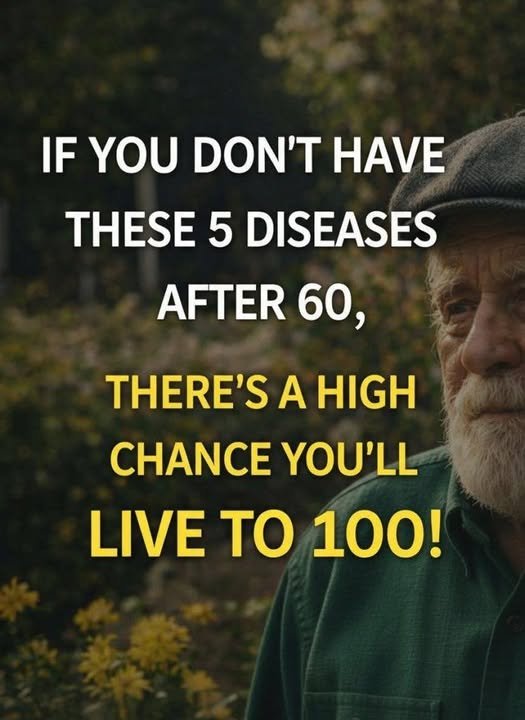
Reaching your 60s is an important milestone, but what happens during the decades that follow can be influenced by many different factors. Genetics, lifestyle, physical activity, nutrition, access to healthcare, social connections, and chronic disease all play a role in healthy aging.
Living to 100 is never guaranteed simply because someone reaches 60 without a particular disease. However, research on longevity consistently shows that avoiding or delaying major chronic diseases is associated with healthier aging and a greater likelihood of reaching advanced age.
Here are five major health conditions that deserve particular attention as you move through your 50s, 60s, and beyond.
1. Heart Disease
Heart disease is one of the most important conditions affecting healthy aging.
Cardiovascular disease can develop gradually for many years. High blood pressure, unhealthy cholesterol levels, smoking, diabetes, obesity, physical inactivity, and poor diet can all contribute to cardiovascular risk.
The encouraging part is that many cardiovascular risk factors can be monitored and addressed.
What can help protect your heart?
Consider making these habits part of your routine:
- Walk or exercise regularly
- Avoid smoking and tobacco
- Maintain a healthy weight
- Eat more vegetables, fruits, whole grains, and legumes
- Limit highly processed foods
- Keep blood pressure under control
- Have cholesterol checked when recommended
- Get adequate sleep
- Manage chronic stress
You don’t have to completely transform your lifestyle overnight. Consistent small improvements can add up over time.
2. Type 2 Diabetes
Type 2 diabetes is another major chronic condition associated with long-term health complications.
Persistently elevated blood sugar can affect the blood vessels, nerves, kidneys, eyes, and heart.
Age itself can increase the risk, but lifestyle and genetics also matter.
Protecting your metabolic health
Regular physical activity is particularly useful because muscles use glucose for energy. A combination of aerobic activity and strength training can support metabolic health.
Other helpful habits include:
- Eating balanced meals
- Limiting excessive added sugar
- Choosing high-fiber foods
- Maintaining a healthy body weight
- Staying physically active
- Getting appropriate blood-sugar screening
If you have risk factors for diabetes, routine medical testing can identify changes before they become more serious.
3. Stroke
A stroke occurs when blood flow to part of the brain is interrupted or when a blood vessel in the brain ruptures.
High blood pressure is one of the most important modifiable risk factors.
Other factors include smoking, diabetes, high cholesterol, certain heart conditions, obesity, and physical inactivity.
One number deserves special attention: blood pressure
You can have high blood pressure without feeling any different.
That is why regular blood-pressure checks are important, particularly as you get older.
If your doctor identifies high blood pressure, following the recommended treatment plan can substantially reduce the risk of serious cardiovascular complications.
And remember the warning signs of stroke. Sudden facial drooping, arm weakness, speech difficulty, sudden vision problems, severe dizziness, or loss of coordination require urgent emergency medical attention.
4. Cancer
Cancer isn’t one single disease. It is a large group of diseases involving abnormal cell growth.
The risk of many cancers increases with age, which makes appropriate screening increasingly important.
Some cancer risks cannot be eliminated because genetics and other factors play a role. But several lifestyle choices can influence overall risk.
Healthy habits that matter
Depending on your individual circumstances:
- Don’t smoke
- Avoid tobacco products
- Maintain a healthy weight
- Stay physically active
- Eat a varied diet rich in plant foods
- Limit alcohol
- Protect your skin from excessive ultraviolet exposure
- Follow recommended cancer-screening guidelines
Screening recommendations vary according to age, sex, family history, and personal risk, so it’s best to discuss them with your healthcare professional.
5. Dementia and Cognitive Decline
Living longer isn’t only about adding years to life. Maintaining independence and cognitive function also matters.
Dementia is not an inevitable part of normal aging, although age is one of the strongest risk factors.
Several factors associated with cardiovascular health also matter for brain health. High blood pressure, diabetes, smoking, physical inactivity, and other vascular risk factors can contribute to cognitive decline.
Keep your brain active
A healthy aging routine can include:
- Regular physical activity
- Meaningful social interaction
- Learning new skills
- Reading and mentally stimulating activities
- Adequate sleep
- Managing cardiovascular risk factors
- Eating a balanced diet
Staying socially connected can also contribute to emotional and cognitive well-being as people age.
Why Your 60s Matter
Your 60s aren’t simply the beginning of “old age.” For many people, they can be a period of continued work, travel, family life, exercise, learning, and independence.
The goal shouldn’t be to obsess over reaching 100.
Instead, focus on increasing your chances of having more healthy and independent years.
A person who reaches 80 or 90 without major disabling disease may have experienced a very different aging process from someone who developed several chronic conditions decades earlier.
But longevity is complicated.
Two people can have similar lifestyles and very different lifespans because genetics, environment, socioeconomic circumstances, medical care, and chance all contribute.
The 60-to-100 Myth
The idea that reaching 60 without five particular diseases means you are likely to live to 100 makes for an attention-grabbing headline, but it oversimplifies longevity.
There is no medical checklist that can predict that a person will live to 100.
Someone can have diabetes and still live into their 80s, 90s, or beyond. Another person may have none of these conditions and still develop another serious illness.
The better takeaway is this:
The absence of major chronic disease by 60 can be a favorable sign of healthy aging, but it isn’t a guarantee of exceptional longevity.
7 Habits That Can Support Healthy Aging
You don’t need a complicated anti-aging program.
Focus on the fundamentals.
1. Keep Moving
Regular physical activity supports cardiovascular health, muscle strength, balance, and independence.
Walking is an excellent starting point, but older adults can also benefit from strength and balance exercises appropriate for their abilities.
2. Don’t Smoke
If you smoke, quitting can benefit your health at virtually any age.
It’s never too late to discuss smoking cessation with a healthcare professional.
3. Eat a Balanced Diet
Build meals around vegetables, fruits, legumes, whole grains, nuts, seeds, and appropriate protein sources.
Try to reduce excessive amounts of highly processed foods, added sugars, and unhealthy fats.
4. Monitor Your Numbers
Don’t wait until you feel sick to check your health.
Depending on your age and risk factors, routine medical care may include monitoring:
- Blood pressure
- Blood glucose
- Cholesterol
- Weight
- Kidney function
- Other age-appropriate health markers
5. Maintain Muscle Strength
Muscle mass and strength become increasingly important with age.
Strength exercises can help support mobility, balance, and independence.
6. Stay Connected
Family, friendships, community involvement, and meaningful activities can all contribute to quality of life.
Healthy aging isn’t only physical.
7. Get Regular Preventive Care
Vaccinations, screenings, dental care, vision checks, hearing assessments, and routine medical visits can help identify problems early.
Your healthcare needs should be personalized according to your age, sex, family history, medications, and existing conditions.
The Bottom Line
Reaching 60 without major chronic diseases may be a positive sign for healthy aging, but no one can guarantee that a person will live to 100 based on their medical history at age 60.
Heart disease, type 2 diabetes, stroke, cancer, and dementia are important conditions to take seriously because they can affect both lifespan and quality of life.
The most useful goal isn’t simply to chase a three-digit birthday.
It’s to protect your health span—the years you spend active, independent, and able to enjoy your life.
And the habits that support healthy aging don’t have to begin at 60.
It’s never too early—or too late—to start taking better care of your health.
Frequently Asked Questions
Does being healthy at 60 mean I will live to 100?
No. Being free of major chronic diseases can be favorable for healthy aging, but lifespan depends on many factors and cannot be predicted from five diseases alone.
What is the most important thing to do after 60?
There isn’t one single habit that guarantees longevity. Regular physical activity, a balanced diet, avoiding tobacco, managing blood pressure and other risk factors, maintaining social connections, and receiving appropriate preventive healthcare are all important.
Can exercise really help with healthy aging?
Yes. Regular physical activity can support cardiovascular health, muscle strength, balance, mobility, and overall physical function.
Is dementia a normal part of aging?
No. Although dementia risk increases substantially with age, dementia is not considered an inevitable part of normal aging.
Can people with diabetes live a long life?
Yes. Diabetes does not determine an individual’s lifespan by itself. Good management, appropriate treatment, healthy habits, and regular medical care can help reduce the risk of complications.
SEO Details
SEO Title: If You Reach 60 Without These 5 Diseases, You May Live Longer
Meta Description: Reaching 60 without major chronic diseases may support healthy aging. Learn about five important conditions and habits that can protect your health.
Focus Keyphrase: healthy aging after 60
Related Keywords: living to 100, longevity after 60, healthy aging, diseases after 60, how to live longer, longevity tips, healthy lifestyle after 60, prevent chronic disease, healthy habits for seniors
Suggested URL Slug: healthy-aging-after-60-five-diseases
Featured Image Alt Text: Older adult enjoying an active and healthy lifestyle outdoors
Category: Health & Wellness
Tags: Healthy Aging, Longevity, Healthy Lifestyle, Wellness, Aging Well, Life After 60