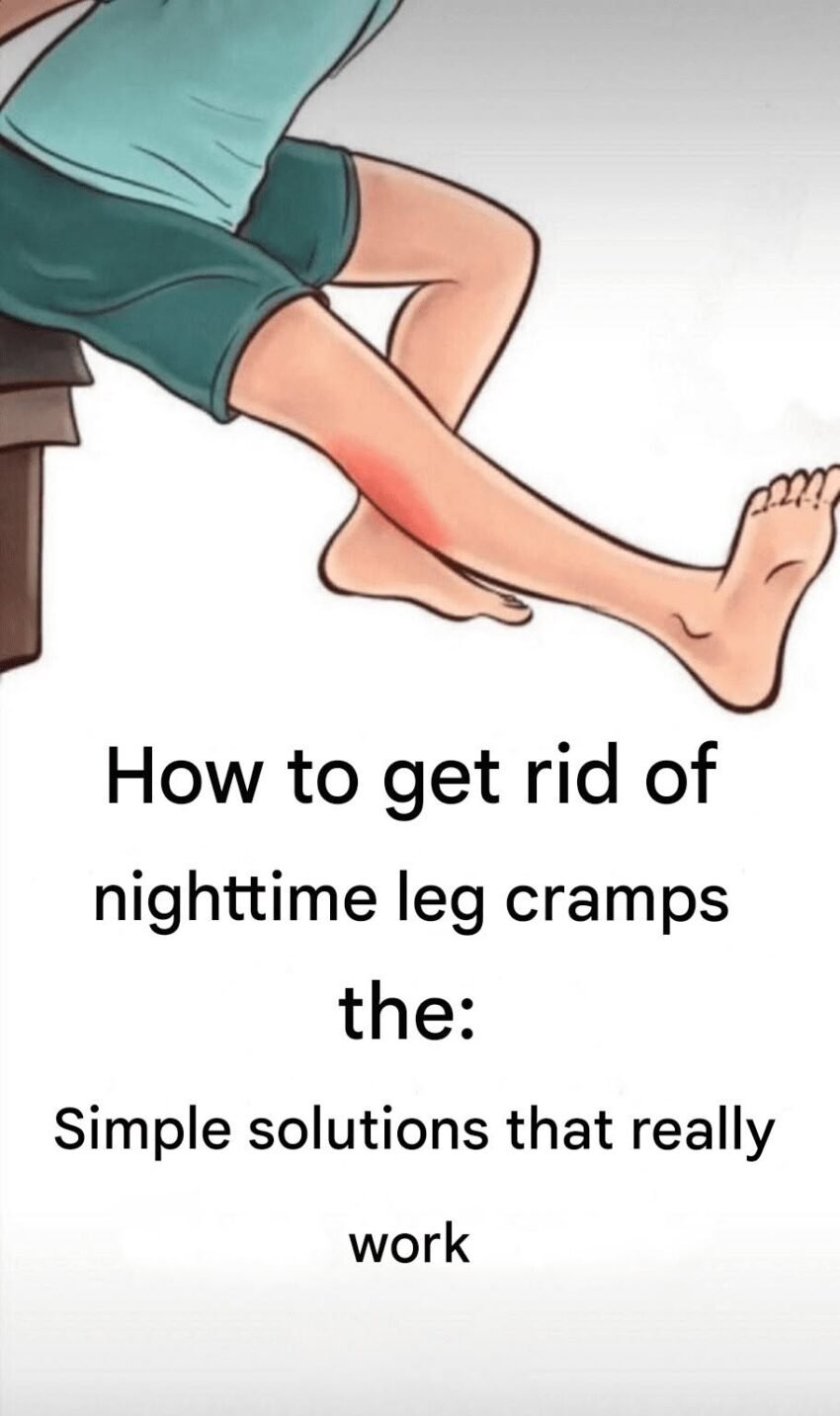
Waking up in the middle of the night with a sudden, painful leg cramp can be frustrating and exhausting. One moment you are sleeping comfortably, and the next, your calf or foot muscles tighten painfully, making it difficult to move. These cramps may last only a few seconds, but sometimes the soreness can continue long after the muscle relaxes.
Nighttime leg cramps are common, particularly among older adults, although they can affect people of any age. The good news is that several simple measures can help relieve a cramp when it happens and may reduce how often it returns.
Understanding what triggers these cramps is also important. Dehydration, muscle fatigue, prolonged sitting, certain medications, and some underlying health conditions may contribute to the problem. However, many nighttime cramps occur without an identifiable cause.
Here is how to manage nighttime leg cramps safely and what you can do to protect your sleep.
What Are Nighttime Leg Cramps?
Nighttime leg cramps, also called nocturnal leg cramps, are sudden, involuntary contractions of muscles in the legs. They most commonly affect the calf muscles but can also occur in the feet and thighs.
During a cramp, the affected muscle becomes tight, hard, and painful. You may notice that your toes point downward or that your calf feels like it has been pulled into a knot.
Most episodes last from a few seconds to several minutes. Afterward, the muscle may remain tender or sore for several hours.
Nighttime leg cramps are different from restless legs syndrome. Restless legs syndrome usually creates an uncomfortable urge to move the legs, while a cramp involves a painful, involuntary muscle contraction.
Why Do Leg Cramps Happen at Night?
There is not always one clear explanation for nighttime leg cramps. However, several factors may increase the likelihood of experiencing them.
1. Muscle fatigue and overuse
Standing, walking, exercising, or performing physically demanding activities for extended periods can tire the leg muscles. When muscles become fatigued, they may be more likely to cramp, particularly during rest.
2. Dehydration
Not drinking enough fluids throughout the day may contribute to muscle problems, especially when combined with heavy sweating, hot weather, vomiting, or diarrhea.
3. Prolonged sitting or sleeping positions
Remaining in one position for a long time may contribute to discomfort or muscle tightness. Some people experience calf cramps when sleeping with their toes pointed downward.
4. Mineral and electrolyte imbalances
Minerals such as potassium, magnesium, calcium, and sodium help muscles function normally. Significant imbalances can contribute to muscle cramps, although ordinary nighttime cramps do not automatically mean you have a mineral deficiency.
5. Certain medications
Some medications may increase the likelihood of muscle cramps. These can include certain diuretics and some cholesterol-lowering medicines. Never stop a prescribed medication without discussing the symptoms with your healthcare professional.
6. Age and underlying health conditions
Nighttime leg cramps become more common with age. They may also occur alongside conditions such as diabetes, kidney disease, nerve disorders, or circulation problems.
Frequent cramps deserve attention, especially when accompanied by other symptoms.
7 Simple Ways to Get Rid of Nighttime Leg Cramps
When a painful cramp wakes you up, the first priority is to relax the affected muscle. The following techniques may provide quick relief.
1. Stretch the Affected Muscle
Stretching is one of the simplest ways to relieve a sudden leg cramp.
If your calf muscle cramps while you are lying in bed:
- Straighten the affected leg gently.
- Pull your toes toward your shin.
- Keep your knee as straight as comfortably possible.
- Hold the stretch for approximately 20–30 seconds.
- Release slowly and repeat if necessary.
You can also sit on the bed, straighten your leg, and gently pull your toes toward you using your hands or a towel.
Avoid bouncing or forcing the stretch. Gentle, steady movement is usually more comfortable.
2. Stand Up and Walk Slowly
If you can safely get out of bed, try standing and placing your weight on the affected leg.
Walk slowly around the room for a short time. Gentle movement can help the contracted muscle relax.
If standing is too painful or you feel unsteady, remain seated and stretch the muscle instead. Do not risk falling while trying to relieve a cramp.
3. Massage the Tight Muscle
Gently massaging the affected area may help reduce discomfort and muscle tightness.
Use your fingertips or the palm of your hand to apply gentle pressure to the cramped muscle. Massage slowly for a minute or two, stopping if the pain becomes worse.
Avoid deep or forceful massage if your leg is swollen, red, unusually warm, or tender without an obvious explanation. These symptoms may require medical assessment.
4. Apply a Warm Compress
Warmth may help relax a tight muscle and ease discomfort after a cramp.
Try placing a warm towel or heating pad over the affected area for 10–15 minutes. Make sure the temperature is comfortable and never apply excessive heat directly to your skin.
A warm shower or bath before bedtime may also help some people relax their leg muscles.
If you have reduced skin sensation or circulation problems, ask a healthcare professional before using heating pads because burns may occur without you noticing.
5. Drink Enough Water Throughout the Day
Adequate hydration supports normal muscle and nerve function.
Rather than drinking a large amount of water immediately before bed, maintain regular fluid intake throughout the day. Increase fluids appropriately when the weather is hot or you are sweating more than usual.
However, people with kidney disease, heart failure, or medical conditions requiring fluid restriction should follow their healthcare professional’s advice rather than increasing water intake independently.
6. Try Gentle Stretching Before Bed
If nighttime cramps happen repeatedly, a short stretching routine before sleeping may help reduce their frequency.
Try these gentle exercises:
Wall calf stretch: Stand facing a wall, place both hands against it, and move one foot backward. Keep the back heel on the floor and gently bend the front knee. Hold for 20–30 seconds before switching legs.
Seated calf stretch: Sit with one leg extended. Place a towel around the ball of your foot and gently pull your toes toward your body. Hold for 20–30 seconds.
Ankle movements: While sitting or lying down, slowly point your toes away from you and then pull them toward your shin. Repeat 10–15 times.
Perform these movements gently. Stop if you experience sharp pain or unusual discomfort.
7. Review Your Daily Activity and Medication
If cramps are becoming frequent, consider whether anything has changed in your daily routine.
For example, you may have recently started exercising more intensely, spent longer periods standing, or begun taking a new medication.
Keep a simple record of when cramps occur, which muscles are affected, and any other symptoms. Discuss this information with your healthcare professional, particularly if the cramps are disrupting your sleep.
Foods That Support Normal Muscle Function
A balanced diet provides nutrients that help muscles and nerves work properly. Although eating specific foods will not guarantee that nighttime cramps disappear, maintaining good nutrition can help prevent deficiencies.
Consider including the following foods in your regular meals:
Bananas: Provide potassium, a mineral involved in normal muscle function.
Spinach: Contains magnesium, potassium, and other nutrients.
Yogurt: Provides calcium and protein, supporting normal muscle and bone health.
Pumpkin seeds: Offer magnesium and other minerals.
Beans and lentils: Provide potassium, magnesium, and plant-based protein.
Sweet potatoes: Supply potassium and other important nutrients.
Milk: Provides calcium and protein.
You do not need to eat all these foods every day. A varied, balanced diet is generally more useful than relying on one particular food.
Should You Take Magnesium for Nighttime Leg Cramps?
Magnesium is frequently recommended as a home remedy for leg cramps. However, research has not shown consistent benefits from magnesium supplements for ordinary nighttime leg cramps in most adults.
If you have a confirmed magnesium deficiency, your healthcare professional may recommend supplementation.
Taking magnesium without medical advice is not always harmless. High supplemental doses can cause diarrhea and other digestive problems, while excessive magnesium can be dangerous for people with impaired kidney function.
It is better to discuss persistent cramps and possible mineral deficiencies with a healthcare professional before starting supplements.
How to Prevent Leg Cramps While Sleeping
Small changes to your daily routine may help reduce nighttime discomfort.
- Stretch your calf muscles gently before going to bed.
- Stay physically active during the day without overexerting yourself.
- Avoid sitting in the same position for several hours.
- Wear comfortable footwear during daily activities.
- Maintain adequate hydration.
- Avoid sudden increases in exercise intensity.
- Keep a comfortable sleeping position that does not leave your feet pointed downward for long periods.
If you exercise regularly, increase the intensity and duration gradually and allow your muscles enough time to recover.
When Should You See a Doctor?
Occasional nighttime leg cramps are usually not a sign of a serious medical problem. However, frequent or severe cramps should not be ignored.
Arrange a medical assessment if:
- Cramps repeatedly interrupt your sleep.
- They occur frequently or are becoming more painful.
- You experience persistent muscle weakness.
- Your legs remain painful or tender between episodes.
- You notice numbness, tingling, or changes in sensation.
- The cramps began after starting a new medication.
- You have an underlying condition such as diabetes or kidney disease.
Seek urgent medical attention if one leg becomes suddenly swollen, red, warm, and painful, as these symptoms can indicate a blood clot. If leg pain or swelling occurs with sudden shortness of breath, chest pain, coughing up blood, or fainting, seek emergency medical help immediately.
A healthcare professional may review your medications, examine your legs, and order blood tests when appropriate. Testing is not necessary for every person with occasional nighttime cramps.
Frequently Asked Questions
1. Why do I get leg cramps while sleeping?
Nighttime cramps may be associated with muscle fatigue, prolonged inactivity, sleeping position, dehydration, certain medications, or underlying health conditions. In many cases, no specific cause is identified.
2. What is the fastest way to stop a leg cramp?
Gently straighten the affected leg and pull your toes toward your shin. Holding this stretch for 20–30 seconds may help relax a cramped calf muscle.
3. Can drinking water before bed prevent leg cramps?
Drinking enough water throughout the day supports normal muscle function, but drinking extra water immediately before bedtime is not a proven treatment. Excessive fluids may also disturb your sleep.
4. Does eating a banana before bed prevent leg cramps?
Bananas contain potassium, but there is no strong evidence that eating one before bedtime reliably prevents nighttime cramps. A balanced diet is more important than relying on a single food.
5. Are nighttime leg cramps a sign of poor circulation?
Not necessarily. Most nighttime cramps are not caused by poor circulation. However, persistent leg pain, changes in skin color, cold feet, or pain while walking should be assessed by a healthcare professional.
6. Are leg cramps dangerous?
Occasional cramps are generally harmless, although they can be painful. Frequent cramps, persistent weakness, or cramps accompanied by swelling, redness, or unusual pain may require medical evaluation.
Final Thoughts
Nighttime leg cramps can interrupt your sleep and leave your legs sore the following morning. Fortunately, gentle stretching, walking, massage, warm compresses, and healthy daily habits may help relieve discomfort and reduce recurring episodes.
Remember that not every nighttime cramp is caused by dehydration or a mineral deficiency. Supplements and home remedies are not guaranteed solutions, and frequent cramps may sometimes be associated with medication effects or underlying health conditions.
If cramps keep returning, affect your sleep, or occur alongside other unusual symptoms, speak with a healthcare professional to identify the possible cause and find an appropriate treatment.