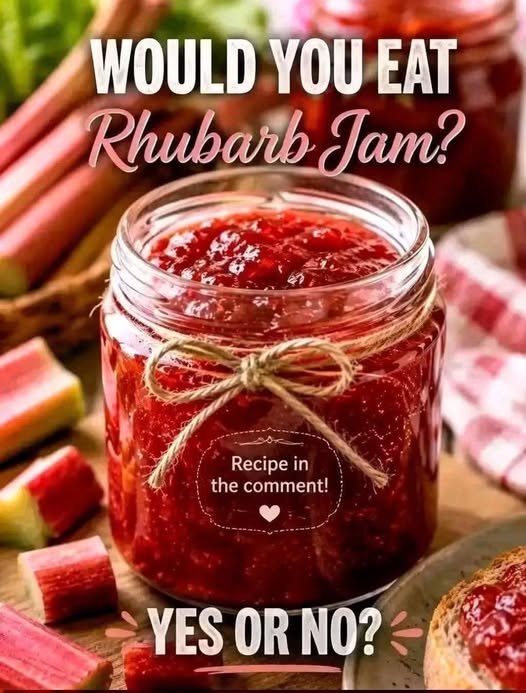
Homemade Rhubarb Jam is a delicious way to turn fresh rhubarb into a sweet, tangy spread that brightens up breakfast, snacks, and desserts. With its beautiful pink color, fruity aroma, and perfect balance of tartness and sweetness, this simple jam is a wonderful addition to any homemade preserve collection.
Rhubarb has a naturally sharp, slightly sour flavor that becomes wonderfully mellow when cooked with sugar. As it softens, the stalks break down into a thick, spoonable mixture with a texture that works beautifully on toast, biscuits, pancakes, and warm scones.
The best part? You do not need complicated equipment or advanced cooking skills to make this recipe. A saucepan, a few simple ingredients, and a little patience are enough to prepare a batch of homemade rhubarb jam.
Whether you are making it for your family, preparing a thoughtful homemade gift, or looking for a new way to enjoy seasonal produce, this easy recipe is worth trying.
Why You’ll Love This Rhubarb Jam Recipe
- Simple ingredients: Fresh rhubarb, sugar, lemon juice, and water are all you need.
- Sweet and tangy flavor: The natural tartness of rhubarb balances the sweetness of the sugar.
- Easy preparation: The jam cooks in one saucepan with minimal hands-on work.
- Beautiful color: Depending on the variety of rhubarb, the finished jam can range from pale pink to deep rosy red.
- Versatile serving options: Spread it on toast, swirl it into yogurt, or use it as a filling for cakes and pastries.
- A thoughtful homemade gift: Properly prepared and safely preserved jam makes a lovely gift for friends and family.
Recipe Information
- Prep Time: 10 minutes
- Cook Time: 25–35 minutes
- Total Time: Approximately 35–45 minutes
- Yield: About 2 cups, depending on cooking time
- Course: Breakfast, Spread, Preserve
- Cuisine: Traditional homemade
- Difficulty: Easy
Ingredients for Rhubarb Jam
- 4 cups chopped fresh rhubarb, approximately 1 pound (450 g)
- 1½ cups granulated sugar
- 2 tablespoons fresh lemon juice
- 2 tablespoons water
- ½ teaspoon vanilla extract, optional
Ingredient Notes
Fresh rhubarb: Choose firm stalks without mushy or moldy areas. Red stalks often produce a pinker jam, while green stalks can produce a lighter-colored result. Color does not necessarily indicate sweetness.
Granulated sugar: Sugar adds sweetness and helps create the jam’s consistency. It also plays an important role in traditional preserving recipes, so reducing it substantially may change the texture and keeping quality.
Lemon juice: Lemon juice brightens the flavor and adds acidity. Because the acidity of fresh rhubarb can vary, this small-batch refrigerator recipe should not be assumed safe for shelf storage.
Vanilla extract: This is optional, but a little vanilla adds a warm aroma that complements rhubarb’s tart flavor.
How to Make Homemade Rhubarb Jam
Step 1: Prepare the Rhubarb
Wash the rhubarb stalks thoroughly under cool running water. Trim off the leaves and discard them safely, as rhubarb leaves are poisonous and must never be eaten.
Trim away any damaged ends and cut the stalks into small pieces, approximately ½ inch long.
Smaller pieces soften more quickly and help the jam cook evenly.
Step 2: Combine the Ingredients
Place the chopped rhubarb, sugar, lemon juice, and water in a medium-sized saucepan.
Stir everything together until the rhubarb is evenly coated with sugar.
Let the mixture stand for about 10 minutes if you have time. The sugar will begin drawing moisture from the rhubarb, helping it soften as it heats.
Step 3: Bring the Mixture to a Gentle Boil
Place the saucepan over medium heat and stir regularly.
As the mixture warms, the sugar will dissolve and the rhubarb will release its juices. Bring it to a gentle boil, then reduce the heat slightly to maintain a steady simmer.
Avoid leaving the saucepan unattended because sugary mixtures can bubble up or stick to the bottom.
Step 4: Cook Until the Rhubarb Softens
Simmer for approximately 15–25 minutes, stirring frequently.
The rhubarb will gradually break down into a soft, thick mixture. If you prefer a smoother jam, gently mash the pieces with the back of a spoon.
For a chunkier texture, leave some small pieces intact.
If the mixture begins sticking to the bottom of the pan, lower the heat and stir more frequently.
Step 5: Add Vanilla if Desired
If you are using vanilla extract, stir it into the jam near the end of cooking.
Taste a small amount once it has cooled slightly. Remember that hot jam tastes different from cooled jam, and the tartness will become more noticeable as it cools.
Step 6: Check the Consistency
The jam should look glossy and thick, with the rhubarb fully softened.
For a simple consistency test, place a small plate in the freezer for several minutes. Put a little jam on the cold plate and wait briefly. Push it gently with your finger; if it wrinkles slightly and does not immediately run back into the space, it may be sufficiently thick.
This test is only a guide for texture, not a food-safety test.
Do not worry if the jam seems a little loose while hot. It generally thickens further as it cools.
Step 7: Cool and Store
Remove the saucepan from the heat and allow the jam to cool briefly.
Transfer it into a clean, heat-safe container, then let it cool safely before sealing and refrigerating. Avoid handling hot glass jars with wet or cold hands, as sudden temperature changes can cause breakage.
Refrigerate promptly and use the jam within about two weeks. Always use a clean spoon and discard it if you notice mold, fermentation, an unusual smell, or other signs of spoilage.
Important: This recipe is intended for refrigerator storage. Do not store it at room temperature in an ordinary sealed jar. For shelf-stable jam, use a tested canning recipe specifically designed for rhubarb and follow its exact ingredient proportions and processing instructions.
Tips for the Best Rhubarb Jam
Use Fresh, Firm Stalks
Fresh rhubarb generally produces a better flavor and texture than old or damaged stalks. Avoid pieces that are slimy, moldy, or badly bruised.
Adjust the Texture to Your Preference
If you enjoy smooth jam, mash the rhubarb more thoroughly as it cooks. If you prefer texture, leave small pieces in the mixture.
Stir Frequently
Rhubarb jam becomes thicker toward the end of cooking and can stick to the pan. Stir regularly and reduce the heat if needed.
Avoid Overcooking
Cooking too long can make the jam overly thick or give it a darker, caramelized flavor. Remember that the mixture will thicken as it cools.
Balance the Sweetness
Rhubarb is naturally tart. The sugar in this recipe creates a balanced sweet-and-sour flavor, but the final taste also depends on the rhubarb variety. For reduced-sugar jam, choose a recipe specifically developed and tested for that purpose rather than simply removing large amounts of sugar from this one.
Delicious Rhubarb Jam Variations
Rhubarb and Strawberry Jam
Add chopped strawberries for a sweeter, fruitier flavor. Strawberries complement rhubarb beautifully, although changing the ingredients affects acidity and preservation safety. Keep an improvised variation refrigerated unless you follow a tested canning recipe.
Rhubarb and Ginger Jam
Add approximately 1 teaspoon of finely grated fresh ginger for a gentle warmth. Ginger adds a fragrant note that balances rhubarb’s tartness.
Rhubarb and Orange Jam
Add a little finely grated orange zest for a citrusy aroma. Orange zest can make the flavor brighter without overwhelming the rhubarb.
Rhubarb Vanilla Jam
Use the optional vanilla extract to create a softer, dessert-like flavor. This version is especially good stirred into plain yogurt or spooned over pancakes.
Rhubarb Cinnamon Jam
Add a small pinch of ground cinnamon during cooking for a warm, comforting flavor. Use it sparingly so that the rhubarb remains the main ingredient.
What to Serve with Rhubarb Jam
Homemade rhubarb jam is remarkably versatile. Here are some delicious ways to enjoy it:
- Toast and butter: Spread a thin layer over warm toast for a simple breakfast.
- Scones and biscuits: Serve with freshly baked scones, biscuits, or plain crackers.
- Pancakes and waffles: Spoon it over warm pancakes or waffles instead of syrup.
- Yogurt and oatmeal: Swirl a spoonful into plain yogurt or oatmeal.
- Cakes and cupcakes: Use it as a filling between cake layers or inside cupcakes.
- Cheese boards: Pair a small amount with suitable cheeses and crackers for a sweet-tart contrast.
- Dessert topping: Serve it over vanilla ice cream, cheesecake, or rice pudding.
Because rhubarb jam has a distinct tart flavor, it can also balance rich desserts and creamy foods.
Storage Instructions
Refrigerator Storage
Keep the jam in a clean, sealed container in the refrigerator. For best quality, use it within approximately two weeks and always scoop it out with a clean utensil.
Can You Freeze Rhubarb Jam?
Yes. For longer storage, place the cooled jam in a freezer-safe container, leaving a little space at the top for expansion. Freeze for up to about three months for best quality.
Thaw it in the refrigerator and stir before serving. The texture may change slightly after freezing.
Can You Store It in the Pantry?
Not with this recipe. A clean jar alone does not make homemade jam shelf-stable. Pantry storage requires a tested recipe, suitable jars, and the correct canning process.
Frequently Asked Questions
Why is my rhubarb jam too runny?
It may need additional simmering to evaporate excess moisture. Continue cooking over low to medium-low heat, stirring frequently, and check the consistency again. Remember that it will thicken as it cools.
Why did my jam become too thick?
It may have cooked for too long or lost too much moisture. If it is freshly made, you can stir in a small amount of hot water to loosen the texture. Refrigerate it promptly afterward.
Do I need pectin to make rhubarb jam?
Not necessarily for this small-batch recipe. Rhubarb softens during cooking and can produce a thick, spoonable spread as moisture evaporates. However, pectin or a tested recipe may be needed to achieve a particular set or to make a shelf-stable preserve.
Can I use frozen rhubarb?
Yes. Frozen rhubarb can work well. Thaw it first and include its released juices in the saucepan. The cooking time may vary depending on how much liquid the rhubarb releases.
Can I reduce the sugar?
You can use a specifically developed low-sugar refrigerator jam recipe, but substantially reducing sugar in a traditional preserving recipe can affect texture and storage safety. Keep this version refrigerated rather than attempting to make it shelf-stable.
Why is my rhubarb jam green instead of pink?
Rhubarb varieties differ in color. Some have green stalks and produce a greenish or pale jam, while red-stalked varieties often produce pinker results. The color alone does not indicate whether the jam is safe or properly cooked.
Is homemade rhubarb jam healthy?
Rhubarb provides some fiber and nutrients, but jam typically contains added sugar. Enjoy it in moderate portions as part of a varied diet rather than treating it as a concentrated health remedy.
Final Thoughts
Homemade Rhubarb Jam is an easy and delicious way to enjoy the distinctive flavor of rhubarb. Its sweet-tart taste, glossy texture, and versatility make it a lovely addition to breakfast tables and dessert recipes.
With just a few ingredients and one saucepan, you can prepare a batch for toast, pancakes, yogurt, or homemade pastries. Adjust the texture to your liking, experiment with ginger or vanilla, and keep the finished jam refrigerated for safe storage.
Once you taste this homemade version, you may find yourself looking forward to rhubarb season every year.
SEO Details
SEO Title: Easy Homemade Rhubarb Jam Recipe – Sweet and Tangy
Focus Keyphrase: Rhubarb Jam Recipe
URL Slug: homemade-rhubarb-jam
Meta Description: Make easy homemade rhubarb jam with fresh rhubarb, sugar, and lemon juice. This sweet-tangy refrigerator jam is perfect for toast, pancakes, and desserts.
Suggested Tags: Rhubarb Jam, Homemade Jam, Rhubarb Recipes, Easy Preserves, Breakfast Spreads, Fruit Jam, Homemade Condiments, Spring Recipes