Finding rats in your home can be stressful. You might hear scratching inside the walls, discover droppings in the kitchen, or notice chewed food packaging in cupboards. Rats can contaminate food, damage electrical wiring, and spread disease, so dealing with them promptly is important.
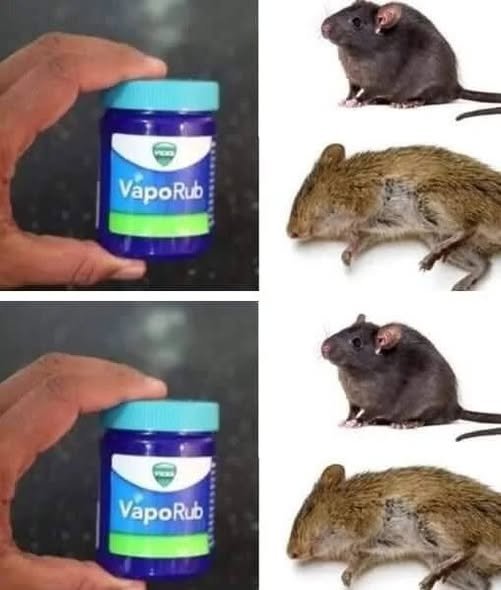
One home remedy that frequently circulates online is using Vicks VapoRub to repel rats. The strong smell of menthol, camphor, and eucalyptus makes some people believe that placing this ointment around the house will drive rodents away.
But does this method actually work?
The truth is that Vicks VapoRub is not a proven or reliable rat repellent. Its strong scent might temporarily disturb a rat or cause it to avoid a particular spot, but there is no dependable evidence that it eliminates rats or prevents them from returning. If you have a rat problem, safer and more effective methods are available.
This guide explains what you can realistically expect from Vicks VapoRub, how to reduce rat activity, and the practical steps that can help protect your home.
Why Do People Use Vicks VapoRub to Repel Rats?
Vicks VapoRub is a topical ointment commonly used to relieve certain cold symptoms. Depending on the formulation, it contains ingredients such as menthol and camphor, which produce a strong, distinctive smell.
Because rats have a sensitive sense of smell, people sometimes assume that intense odors will drive them away.
However, a strong smell does not automatically make a substance an effective rodent repellent. Rats may initially avoid an unfamiliar odor, but they can become accustomed to it, especially when food, water, or shelter is readily available.
There is also no established household application method or reliable dosage of Vicks VapoRub that has been shown to control a rat infestation.
Does Vicks VapoRub Really Work Against Rats?
The short answer is that it should not be relied upon.
Here is what you should know:
- It does not kill rats reliably. Vicks VapoRub is not a rodenticide.
- It may not keep rats away. A rat might investigate or return to an area despite the odor.
- It does not block entry points. Rats can continue entering through holes, gaps, drains, or damaged vents.
- It does not address nesting or breeding. If rats have established a nest inside your home, the smell alone is unlikely to resolve the problem.
If you have only noticed a rat once, cleaning and removing attractants may be enough to discourage further visits. If you regularly see rats or find fresh droppings, a more comprehensive approach is needed.
Is Vicks VapoRub Safe to Use Around Rats?
Vicks VapoRub should not be applied to rats, placed where pets or children can touch or ingest it, or smeared on food or food-contact surfaces.
Camphor-containing products can be toxic if swallowed, and concentrated aromatic ingredients may irritate the skin or respiratory system. Keep the ointment in its original container and follow its product label.
Do not place open containers of ointment in enclosed spaces to create strong fumes. Do not mix it with other chemicals or essential oils in an attempt to make a stronger repellent.
A safer approach is to use proven pest-control techniques rather than relying on a medicinal ointment.
7 Effective Ways to Get Rid of Rats at Home
1. Remove Food Sources
Rats are attracted to accessible food. Even small amounts of spilled food can encourage them to remain in your home.
Try these steps:
- Store rice, flour, grains, pet food, and other dry foods in sturdy, tightly sealed containers.
- Clean crumbs and food spills promptly.
- Avoid leaving uncovered food on kitchen counters overnight.
- Keep rubbish in bins with secure lids.
- Clean beneath refrigerators, stoves, and cupboards where food particles accumulate.
- Avoid leaving pet food out overnight when possible.
Reducing access to food makes your home less attractive to rodents and improves the effectiveness of traps.
2. Seal Holes and Entry Points
Excluding rats from your home is one of the most important long-term control measures.
Inspect areas around pipes, doors, windows, rooflines, drains, and utility openings. Look for gnaw marks, droppings, greasy rub marks, and gaps around building materials.
Rats can squeeze through surprisingly small openings. A gap of approximately 12 millimetres may be enough for a young rat, depending on its size.
Use durable rodent-resistant materials, such as metal mesh combined with appropriate sealant or mortar, to close suitable openings. Ordinary foam alone may be chewed through.
Check door sweeps, damaged screens, and ventilation openings as well. For active infestations, make sure you are not trapping rats inside inaccessible wall or ceiling spaces when sealing entry points.
3. Use Properly Placed Snap Traps
Traditional snap traps can be an effective option when placed correctly.
For better results:
- Choose a trap designed for the size of rodent involved.
- Place traps along walls where rats travel, with the trigger end positioned according to the manufacturer’s instructions.
- Consider placing traps near signs of activity, such as fresh droppings or gnaw marks.
- Use a small amount of suitable bait, such as peanut butter, if permitted by the trap instructions.
- Check traps regularly and dispose of captured rodents safely.
- Keep traps inaccessible to children and pets.
Multiple correctly positioned traps may be more effective than relying on a single trap.
Avoid handling rodents with bare hands, and follow local public-health guidance for cleaning and disposal.
4. Keep the Kitchen and Storage Areas Clean
Rats often hide behind appliances, beneath cupboards, in storerooms, and around cluttered corners.
Make these areas less suitable for rodents by:
- Cleaning grease and food residue.
- Removing unnecessary cardboard and clutter.
- Storing supplies off the floor when practical.
- Keeping cupboards and storage boxes organized.
- Checking dark corners regularly for fresh droppings or damaged packaging.
Cleaning alone will not eliminate an established infestation, but it helps remove the conditions that allow rats to thrive.
5. Remove Outdoor Shelter and Nesting Materials
Rats may enter buildings from gardens, yards, garages, or nearby rubbish areas.
Where practical, keep vegetation trimmed away from walls, remove piles of unused materials, store firewood away from the building, and secure outdoor rubbish.
Repair damaged drainage covers and inspect gaps around sheds or external storage areas.
If several neighbouring properties have rat activity, controlling the problem may require coordinated pest management rather than action inside one house alone.
6. Use Rodent-Proof Storage and Regular Inspections
Food storage and routine inspection help prevent a small problem from becoming a larger infestation.
Check stored grains, pet food, and other supplies for torn packaging. Inspect behind appliances and around pipes for new droppings or gnaw marks.
Do not rely on ultrasonic devices or strong-smelling household products as your primary solution. Evidence for many such repellents is limited, and rats may continue living in the area.
7. Contact a Pest-Control Professional if Necessary
Professional help may be the best option when rats repeatedly appear, occupy ceilings or walls, damage wiring, or cannot be controlled with traps and exclusion.
A qualified pest-control professional can identify likely entry points, assess the size of the infestation, and recommend appropriate control methods.
Rodenticides should be used only according to the product label and applicable local requirements. They can poison children, pets, and wildlife if misused, and dead rodents may remain hidden in inaccessible spaces.
What About Peppermint Oil, Black Pepper, and Other Home Remedies?
Many online remedies recommend peppermint oil, black pepper, mothballs, ammonia, or other strong-smelling substances.
However, these methods generally lack reliable evidence as long-term rat-control solutions.
Some may create additional hazards:
- Mothballs: Can expose people and pets to harmful chemicals when used improperly. They should not be used as a household rat repellent.
- Ammonia and chemical mixtures: Can produce dangerous fumes or cause burns. Never mix household chemicals.
- Essential oils: Some are harmful to cats, dogs, and other animals, particularly when ingested or applied directly.
- Black pepper and other kitchen spices: May cause irritation but are not dependable methods for eliminating an infestation.
The most effective strategy is to combine food and rubbish management, exclusion, suitable traps, and professional assistance when needed.
How to Clean Rat Droppings Safely
Rat droppings and urine may contain germs. Cleaning them incorrectly can stir contaminated dust into the air.
Follow these precautions:
- Keep children and pets away from the affected area.
- Ventilate the space before cleaning, when it is safe to do so.
- Wear disposable gloves.
- Do not sweep or vacuum dry droppings.
- Thoroughly wet the droppings and surrounding contaminated surface with an appropriate household disinfectant, following its label instructions.
- Allow the required contact time, then wipe up the material with disposable paper towels.
- Dispose of waste in a sealed bag and wash your hands thoroughly afterward.
Never mix disinfectants with bleach, ammonia, or other cleaning products. If you discover a large accumulation of droppings or a nest, seek local public-health or professional pest-control guidance before attempting cleanup.
A Simple Three-Day Rat-Control Plan
Day 1: Inspect and Clean
Look for droppings, gnaw marks, damaged food packaging, and possible entry points. Remove accessible food and secure rubbish.
Day 2: Trap and Exclude
Set suitable snap traps in areas of activity, keeping them away from children and pets. Seal identified entry points using durable materials, while considering whether rats could become trapped inside walls.
Day 3: Check and Adjust
Inspect traps and look for new evidence of activity. Improve sanitation and address any missed gaps.
Three days may be enough to make progress, but an established infestation can take longer to control. Continue monitoring until signs of activity stop, and seek professional help if the problem persists.
Frequently Asked Questions
Can Vicks VapoRub kill rats?
No. Vicks VapoRub is not designed or proven to kill rats. It should not be used as a substitute for appropriate rodent-control methods.
Will rats leave if I put Vicks VapoRub near their holes?
There is no reliable evidence that this will consistently drive rats away. Rats may ignore the smell or return when food and shelter remain available.
What smell do rats hate the most?
There is no single smell that reliably eliminates rats from a home. Strong odors may temporarily discourage exploration, but exclusion, sanitation, and traps are more dependable.
What is the fastest way to control rats indoors?
Removing food sources and using appropriately placed snap traps can help reduce activity. If there are multiple rats, repeated sightings, or inaccessible nests, professional pest control may be necessary.
Are rats dangerous to humans?
Rats can contaminate food and surfaces, damage property, and spread diseases through urine, droppings, saliva, or parasites. Avoid direct contact and clean contaminated areas safely.
Can I use Vicks VapoRub if I have cats or dogs?
Keep Vicks VapoRub and similar camphor-containing products out of reach of pets. Do not apply them to animals or leave the product where it could be licked or swallowed. Contact a veterinarian promptly if a pet ingests the ointment.
Final Thoughts
Vicks VapoRub is a popular home remedy for repelling rats, but it is not a proven or dependable solution. Its strong smell may seem promising, yet it cannot reliably eliminate rats, prevent breeding, or close the routes through which they enter your home.
For lasting results, remove food sources, secure rubbish, seal entry points with rodent-resistant materials, and use suitable traps. If rats continue to appear, professional pest control can help identify and resolve the source of the problem.
The most reliable way to keep rats away is not to depend on a smell. It is to make your home difficult for them to enter, feed in, and nest in.
SEO Details
SEO Title: Can Vicks VapoRub Get Rid of Rats? What Really Works
Focus Keyphrase: get rid of rats using Vicks VapoRub
URL Slug: get-rid-of-rats-using-vicks-vaporub
Meta Description: Does Vicks VapoRub repel rats? Discover what this home remedy can and cannot do, plus safer, practical ways to control rats and prevent infestations.
Suggested Tags: Rat Control, Natural Rat Repellent, Vicks VapoRub, Pest Control, Home Remedies, Rodent Prevention, Home Cleaning, Household Safety