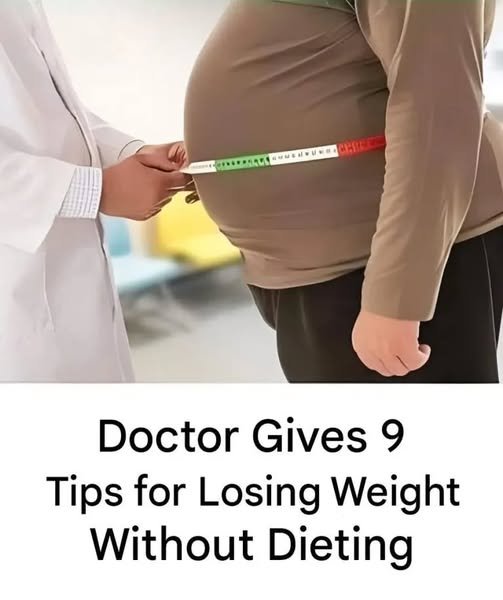
Losing weight doesn’t have to mean starving yourself, eliminating entire food groups, or spending every day counting calories.
For many people, the most sustainable approach is to make small, realistic changes that can be maintained for months and years.
Weight management is influenced by much more than willpower. Appetite, sleep, physical activity, medications, genetics, stress, medical conditions, and eating patterns can all play a role.
If you’re trying to lose excess weight naturally, these nine practical strategies can help you create healthier habits without turning every meal into a battle.
1. Don’t Try to Change Everything Overnight
One of the biggest mistakes people make is starting with an extremely restrictive plan.
They eliminate sugar, bread, rice, fast food, snacks, and desserts all at once—and then struggle to maintain the plan.
Instead, start with one or two changes.
For example:
- Replace sugary drinks with water.
- Add vegetables to lunch and dinner.
- Walk for 20–30 minutes each day.
- Reduce oversized portions.
- Eat more slowly.
Once those habits become normal, add another improvement.
Consistency usually matters more than perfection.
2. Build Meals Around Protein and Fiber
Protein and fiber can help meals feel more satisfying.
Good protein sources include:
- Eggs
- Fish
- Chicken
- Lean meat
- Yogurt
- Milk
- Beans
- Lentils
- Chickpeas
- Tofu
Fiber-rich foods include vegetables, fruits, legumes, whole grains, nuts, and seeds.
A simple meal can contain a protein source, plenty of vegetables, and a reasonable portion of a whole-food carbohydrate.
This approach can be much more sustainable than trying to survive on tiny portions.
3. Drink More Water and Reduce Liquid Calories
Liquid calories can be easy to overlook.
Soft drinks, sweetened juices, sugary tea and coffee, energy drinks, and other sweet beverages can add substantial calories without making you feel as full as a solid meal.
Try making water your primary beverage.
If plain water feels boring, add:
- Lemon
- Mint
- Cucumber
- A few berries
Unsweetened tea or coffee can also be options depending on your preferences.
You don’t need to completely ban your favorite drinks, but reducing sugary beverages can be a practical weight-management step.
4. Don’t Ban Your Favorite Foods
A diet becomes difficult to maintain when every enjoyable food is labeled “forbidden.”
If you love pizza, chocolate, biryani, burgers, or dessert, you don’t necessarily have to eliminate them permanently.
Instead, focus on portion and frequency.
For example, rather than eating a large portion of a favorite food several times a week, you might enjoy a smaller portion occasionally alongside nutritious foods.
This can make healthy eating feel like a lifestyle rather than a temporary punishment.
5. Move More Throughout the Day
Exercise is important, but you don’t have to become a professional athlete to become more active.
Look for opportunities to move throughout the day.
You could:
- Walk after meals
- Take the stairs
- Park farther away
- Do household chores
- Walk while talking on the phone
- Take short movement breaks during work
- Go for an evening walk
Regular activity can contribute to energy expenditure and also supports cardiovascular health, muscle strength, and overall fitness.
For adults, public-health guidelines generally recommend regular aerobic activity along with muscle-strengthening activities.
6. Add Strength Training
If your goal is long-term weight management, don’t focus only on the number on the scale.
Maintaining muscle is important, particularly during weight loss.
Resistance training can include:
- Squats
- Lunges
- Push-ups
- Rows
- Resistance-band exercises
- Weight machines
- Free weights
Beginners can start with simple bodyweight exercises and gradually increase the challenge.
If you have an injury, chronic condition, or haven’t exercised for a long time, ask a healthcare professional about an appropriate starting point.
7. Take Sleep Seriously
Sleep is often overlooked when people talk about weight loss.
Poor or insufficient sleep can affect appetite, food choices, energy levels, and your ability to stay physically active.
Instead of treating sleep as something you can sacrifice for productivity, make it part of your health routine.
Helpful habits include:
- Maintain a consistent bedtime
- Keep your bedroom comfortable and dark
- Reduce excessive screen use before bed
- Avoid large amounts of caffeine late in the day
- Give yourself enough time to sleep
Better sleep won’t magically melt away body fat, but it can make healthy habits easier to maintain.
8. Eat Mindfully Instead of Eating Automatically
Many people eat while watching television, scrolling on their phone, working, or rushing between tasks.
This can make it harder to notice how much you’ve eaten.
Try slowing down.
Put your phone away during meals when possible.
Eat at a table.
Take smaller bites.
Pause occasionally and ask yourself whether you’re still hungry.
Mindful eating doesn’t require perfection. It simply helps you become more aware of your hunger, fullness, and eating habits.
9. Focus on Progress, Not Perfection
Your weight won’t necessarily decrease at exactly the same rate every week.
Changes in water retention, food intake, sodium consumption, hormones, bowel movements, and activity can all affect the number on the scale.
Instead of becoming frustrated by a single weigh-in, look at longer-term trends.
You can also monitor:
- Waist measurements
- Fitness levels
- Strength
- Energy
- Sleep
- How your clothes fit
- Eating habits
A temporary setback doesn’t erase your progress.
If you overeat one evening, don’t decide that your entire plan has failed. Simply return to your normal routine at the next meal.
What Does “Natural Weight Loss” Really Mean?
Natural weight loss doesn’t mean drinking detox teas, taking unproven supplements, or following extreme diets.
It generally means using sustainable lifestyle strategies such as:
Nutritious food + appropriate portions + physical activity + adequate sleep + consistency.
Your body still needs enough energy and nutrients to function properly.
Rapid weight-loss programs may produce quick changes on the scale, but maintaining a healthy weight over the long term is usually more important than achieving dramatic short-term results.
A Simple Day of Healthy Eating
You don’t need a complicated meal plan.
Here’s an example of what a balanced day might look like:
Breakfast
Eggs with whole-grain toast and fruit.
Lunch
Grilled chicken or lentils with vegetables and a moderate portion of rice or roti.
Snack
Plain yogurt with fruit or a small handful of nuts.
Dinner
Fish, chicken, beans, or another protein source with vegetables and a moderate portion of potatoes, rice, or whole grains.
Drinks
Mostly water, with unsweetened tea or coffee if desired.
This is only an example. Your calorie and nutrient requirements can vary considerably.
What If You’re Not Losing Weight?
If you’ve consistently changed your diet and activity but aren’t seeing expected results, don’t automatically assume that you’re failing.
Weight can be affected by:
- Medications
- Sleep problems
- Hormonal conditions
- Stress
- Menopause
- Certain medical conditions
- Changes in activity
- Underestimating food portions
- Changes in appetite
A healthcare professional or registered dietitian can help identify possible obstacles and create an approach suited to your circumstances.
When Should You Talk to a Doctor?
Consider professional guidance if:
- You have significant excess weight
- You have diabetes or high blood pressure
- You have heart disease
- You have an eating disorder or history of disordered eating
- You’re taking medications that may affect weight
- You’re experiencing unexplained weight gain
- You’re losing weight unintentionally
- You’re considering a very restrictive diet
Medical support can make weight management safer and more effective, particularly when another health condition is involved.
The Bottom Line
Healthy weight loss doesn’t have to involve starvation or constant frustration.
Start with realistic changes: eat more nutrient-dense foods, prioritize protein and fiber, reduce sugary drinks, move regularly, include strength training, sleep adequately, and learn to recognize your eating habits.
Most importantly, don’t expect perfection.
A healthy lifestyle isn’t something you follow for two weeks. It’s something you gradually build into your everyday life.
And if weight loss feels unusually difficult despite consistent efforts, speak with a healthcare professional rather than blaming yourself.
Frequently Asked Questions
Can I lose weight without giving up carbohydrates?
Yes. Carbohydrates can be part of a healthy diet. Portion size, food quality, total energy intake, and your individual nutritional needs matter more than automatically eliminating carbohydrates.
Do I have to count calories?
Not necessarily. Some people find calorie tracking useful, while others prefer portion awareness and healthier food choices. What works best depends on the individual.
Is exercise necessary for weight loss?
Physical activity supports health and can contribute to weight management, but weight change is influenced by both food intake and energy expenditure. Exercise is especially valuable for cardiovascular fitness, muscle strength, and overall health.
Can I eat dessert while losing weight?
Yes. A small amount of a favorite food can fit into a balanced eating pattern. Completely banning enjoyable foods can make some diets harder to maintain.
How quickly should I lose weight?
There isn’t one ideal rate for everyone. A healthcare professional can help determine a safe and appropriate target based on your starting weight, health status, medications, and goals.
What is the best diet for weight loss?
There isn’t one diet that is universally best for everyone. The most useful approach is generally one that provides adequate nutrition, supports a sustainable energy deficit when weight loss is appropriate, and can realistically be maintained.
SEO Details
SEO Title: 9 Doctor-Backed Tips to Lose Weight Naturally Without Deprivation
Meta Description: Discover 9 practical ways to lose weight naturally without starving yourself, including better meals, exercise, sleep, hydration, and sustainable habits.
Focus Keyphrase: lose weight naturally
Related Keywords: natural weight loss tips, healthy weight loss, doctor weight loss tips, lose weight without dieting, sustainable weight loss, healthy eating for weight loss, weight loss naturally
Suggested URL Slug: lose-weight-naturally-without-deprivation
Featured Image Alt Text: Healthy foods and exercise equipment representing natural weight loss
Category: Health & Wellness
Tags: Weight Loss, Healthy Eating, Fitness, Natural Weight Loss, Healthy Lifestyle, Wellness