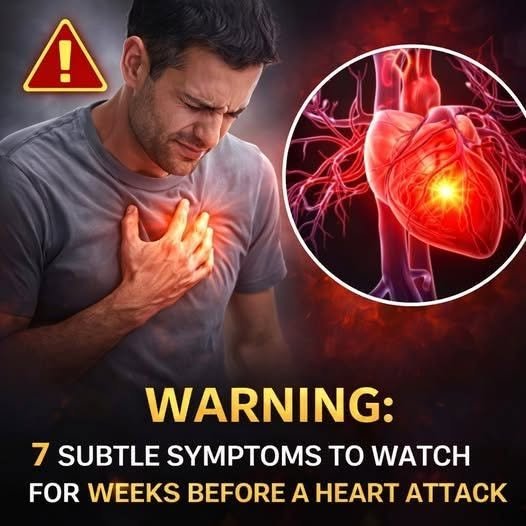
A heart attack can happen suddenly, but its warning signs aren’t always dramatic.
Some people experience intense chest pressure. Others may have shortness of breath, nausea, unusual sweating, dizziness, or discomfort in the jaw, back, or arms. Symptoms can also be mild or come and go, which is one reason people sometimes delay getting help.
Knowing the warning signs could help you recognize a medical emergency sooner.
If you think you or someone else may be having a heart attack, seek emergency medical help immediately. Do not wait to see whether the symptoms disappear.
What Is a Heart Attack?
A heart attack occurs when blood flow to part of the heart muscle becomes blocked or severely reduced. Without enough oxygen-rich blood, heart muscle can become damaged.
A heart attack is different from cardiac arrest. During cardiac arrest, the heart suddenly stops pumping effectively because of an electrical problem. A heart attack can sometimes trigger cardiac arrest, but the two conditions are not the same.
Because heart muscle can be damaged during a heart attack, getting emergency treatment quickly matters.
1. Pressure, Tightness, or Discomfort in the Chest
One of the most recognizable warning signs is discomfort in the center or left side of the chest.
It may feel like:
- Pressure
- Squeezing
- Fullness
- Tightness
- Heaviness
- Aching
- Burning or discomfort that resembles indigestion
The sensation may last for several minutes or disappear and return.
Importantly, a heart attack doesn’t always cause severe, crushing pain.
Mild or unusual chest discomfort can still require urgent evaluation.
2. Pain or Discomfort That Spreads
Heart attack discomfort isn’t necessarily limited to the chest.
It can spread to other parts of the upper body, including:
- One or both arms
- Shoulders
- Back
- Neck
- Jaw
- Upper abdomen
Some people may notice discomfort in one area without having obvious chest pain.
This is particularly important because someone might assume that jaw, shoulder, or back discomfort is caused by something unrelated.
If it occurs together with other possible heart-attack symptoms, don’t ignore it.
3. Shortness of Breath
Feeling suddenly short of breath can be another warning sign.
It may happen with chest discomfort or by itself.
You might feel as though you cannot get enough air, have difficulty breathing normally, or become unusually breathless during an activity that normally doesn’t cause a problem.
Sudden or severe breathing difficulty should always be taken seriously.
4. Cold Sweating
Breaking out in an unexplained cold sweat can occur during a heart attack.
This isn’t the same as simply sweating because you’ve been exercising, are outdoors in hot weather, or are feeling warm.
If unexplained sweating occurs together with chest discomfort, shortness of breath, nausea, dizziness, or pain in the upper body, seek emergency help.
5. Nausea, Vomiting, or Indigestion-Like Symptoms
A heart attack can sometimes feel like a stomach problem.
Possible symptoms include:
- Nausea
- Vomiting
- Indigestion
- Heartburn-like discomfort
- A feeling of fullness or pressure in the upper abdomen
This can make it difficult to recognize what’s happening, particularly when there is little or no chest pain.
Don’t automatically assume that unexplained digestive symptoms are harmless if they occur with other heart-attack warning signs.
6. Dizziness or Lightheadedness
Feeling suddenly lightheaded, weak, or as though you might faint can occur during a heart attack.
Some people may also experience unusual weakness or a feeling that something is seriously wrong.
Dizziness has many possible causes, so it doesn’t automatically mean you’re having a heart attack.
But if it occurs alongside chest pressure, breathing difficulty, sweating, nausea, or upper-body discomfort, it warrants immediate medical attention.
7. Unusual Fatigue or Weakness
Some heart attacks don’t begin with dramatic chest pain.
Unusual tiredness, weakness, or a sudden reduction in energy can occur, and some people—particularly women—may experience less typical symptoms such as unusual fatigue, nausea, back or jaw discomfort, or shortness of breath.
This doesn’t mean that ordinary tiredness is a sign of a heart attack.
The concern is new, unexplained, or unusual symptoms, especially when several symptoms appear together.
Heart Attack Symptoms Can Be Different for Different People
There isn’t one universal heart-attack experience.
Some people have obvious chest pressure. Others may experience symptoms that seem unrelated to the heart.
Women can experience the classic symptoms of chest discomfort, but may also have symptoms such as unusual fatigue, nausea, shortness of breath, or discomfort in the back, shoulder, or jaw.
Older adults and people with diabetes may also have less typical or subtle symptoms.
That’s why it is important not to wait for the “classic” crushing chest pain before seeking help.
What Should You Do If You Suspect a Heart Attack?
Treat it as an emergency.
Call your local emergency medical service immediately.
In the United States this is 911; in other countries, use the appropriate emergency number.
Do not try to diagnose the problem yourself and don’t wait for symptoms to become severe. Emergency medical professionals can begin assessment and treatment and arrange appropriate hospital care.
If possible:
- Stop what you’re doing and sit somewhere safe.
- Call emergency medical services.
- Follow the emergency operator’s instructions.
- Don’t drive yourself to the hospital.
- If the person becomes unresponsive and isn’t breathing normally, begin CPR and use an AED if available, following emergency instructions.
What About Aspirin?
Aspirin is sometimes used during suspected heart attacks, but it isn’t appropriate for everyone.
The American Heart Association advises calling emergency services first rather than delaying the call to take aspirin. An emergency dispatcher or healthcare professional can advise whether aspirin is appropriate, taking allergies and bleeding risks into account.
Don’t take aspirin and wait to see if the symptoms improve.
The priority is getting emergency medical help.
Don’t Assume It’s “Just Gas”
Heartburn, indigestion, muscle strain, anxiety, and other conditions can cause symptoms that resemble a heart problem.
But trying to determine the cause yourself can be dangerous when a heart attack is possible.
Chest discomfort accompanied by sweating, nausea, dizziness, shortness of breath, or pain spreading to the arm, jaw, back, or neck should be treated as potentially serious.
It’s much safer to have concerning symptoms evaluated than to assume they’re harmless.
What Increases Heart Attack Risk?
Risk factors for coronary heart disease include:
- Smoking
- High blood pressure
- High cholesterol
- Diabetes
- Obesity
- Physical inactivity
- Increasing age
- Family history of premature coronary heart disease
Not everyone with a heart attack has obvious risk factors, so symptoms should never be dismissed simply because someone considers themselves healthy.
How Can You Protect Your Heart?
Although not every heart attack can be prevented, many cardiovascular risk factors can be addressed.
Helpful habits include:
Don’t Smoke
Avoiding tobacco is one of the most important things you can do for cardiovascular health.
Stay Physically Active
Regular physical activity supports cardiovascular fitness and overall health.
Monitor Blood Pressure
High blood pressure can exist without obvious symptoms, so regular monitoring is important.
Know Your Cholesterol
Ask your healthcare professional whether cholesterol testing is appropriate for you.
Manage Blood Sugar
If you have diabetes or elevated blood sugar, follow your healthcare professional’s treatment and monitoring recommendations.
Eat a Balanced Diet
Emphasize vegetables, fruits, whole grains, legumes, nuts, and other nutrient-rich foods while limiting excessive amounts of highly processed foods, added sugars, and unhealthy fats.
Maintain a Healthy Weight
If you have excess weight, gradual and sustainable weight management can improve several cardiovascular risk factors.
The Bottom Line
A heart attack doesn’t always look like a dramatic scene from a movie.
It can involve chest pressure, pain spreading to the arm or jaw, shortness of breath, cold sweating, nausea, dizziness, or unusual weakness and fatigue. Symptoms may be mild or may come and go.
The most important message is simple:
If you suspect a heart attack, don’t wait and don’t drive yourself to the hospital. Contact emergency medical services immediately.
Fast medical evaluation and treatment can reduce heart damage and improve the chances of recovery.
Frequently Asked Questions
Can a heart attack happen without severe chest pain?
Yes. Some heart attacks cause mild or unusual symptoms, and some people may have little or no obvious chest pain.
Can indigestion feel like a heart attack?
Yes. Heart attacks can sometimes cause indigestion-like discomfort, heartburn-like sensations, nausea, or upper-abdominal discomfort.
Do women have different heart attack symptoms?
Women can experience the classic symptoms, but some may also experience unusual fatigue, shortness of breath, nausea, or back, shoulder, or jaw discomfort.
Should I drive myself to the hospital?
No. If a heart attack is suspected, emergency medical services should be contacted rather than driving yourself. Emergency teams can begin care and arrange rapid hospital treatment.
Does a heart attack always happen suddenly?
Not necessarily. Some heart attacks begin gradually with mild discomfort or other symptoms that become more noticeable over time.
SEO Details
SEO Title: 7 Warning Signs of a Heart Attack You Should Never Ignore
Meta Description: Learn 7 important warning signs of a heart attack, including chest pressure, shortness of breath, sweating, nausea, dizziness, and unusual fatigue.
Focus Keyphrase: warning signs of a heart attack
Related Keywords: heart attack symptoms, signs of heart attack, heart attack warning signs, chest pain symptoms, heart attack symptoms in women, heart emergency symptoms, cardiovascular health
Suggested URL Slug: 7-warning-signs-of-a-heart-attack
Featured Image Alt Text: Person experiencing chest discomfort while recognizing heart attack warning signs
Category: Health & Wellness
Tags: Heart Health, Heart Attack, Cardiovascular Health, Health Awareness, Emergency Symptoms, Healthy Heart