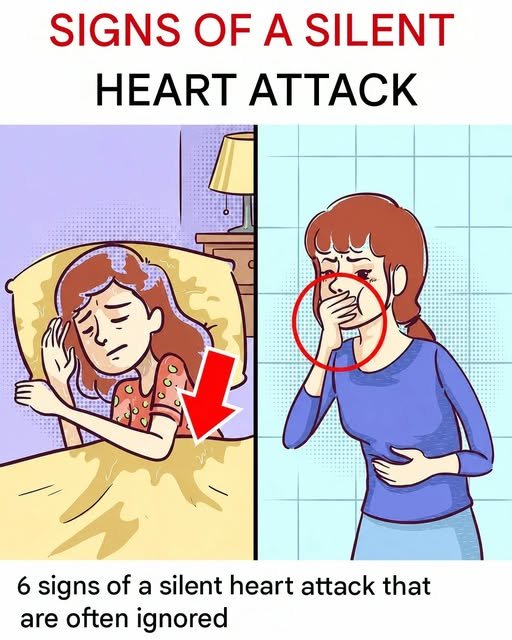
A heart attack does not always begin with dramatic chest pain or sudden collapse. Sometimes, the symptoms are mild, unusual, or mistaken for everyday problems such as indigestion, tiredness, or muscle strain. This is why a silent heart attack can go unnoticed, even when the heart is being damaged.
A silent heart attack is a heart attack with symptoms that are absent, very mild, or not recognized as heart-related. It is still a serious medical emergency. Recognizing less obvious warning signs can help you seek medical attention sooner.
Important: If you suspect a heart attack, call your local emergency service immediately. Do not wait for symptoms to become severe or try to drive yourself to hospital.
1. Unusual or unexplained fatigue
One of the easiest symptoms to overlook is extreme tiredness that seems out of proportion to your daily activities.
You may feel exhausted after ordinary tasks, struggle to complete your usual routine, or experience weakness that does not improve with rest. Some people notice unusual fatigue for hours or even days.
Although tiredness has many possible causes, sudden or unexplained fatigue—especially when accompanied by other symptoms—should not be dismissed.
2. Shortness of breath
Feeling breathless after climbing stairs or walking quickly is not unusual. However, sudden breathlessness during light activity or while resting can be a warning sign.
Some people experience difficulty breathing without noticeable chest pain. This can happen when the heart is struggling to pump blood effectively.
If breathlessness develops suddenly or occurs alongside sweating, nausea, dizziness, or chest discomfort, seek emergency medical help.
3. Indigestion or unusual stomach discomfort
A silent heart attack can sometimes feel like an upset stomach rather than a heart problem.
Possible symptoms include:
-
Unusual pressure or discomfort in the upper abdomen
-
A burning sensation similar to heartburn
-
Nausea or vomiting
-
A feeling of fullness or discomfort after eating
These symptoms are not proof of a heart attack. However, if they appear unexpectedly, persist, or occur with breathlessness, sweating, or weakness, they need urgent attention.
Do not automatically assume that unusual stomach discomfort is simply indigestion.
4. Pain in the jaw, neck, back, or arms
Heart-related discomfort does not always remain in the chest. It may spread to other parts of the upper body.
You might notice:
-
Discomfort in one or both arms
-
Pain between the shoulder blades
-
Unexplained neck discomfort
-
Pressure or aching around the jaw
-
Discomfort in the shoulders
Some people mistake these sensations for muscle strain, sleeping in an awkward position, or ordinary body aches.
Pain that appears without an obvious explanation, particularly alongside other warning signs, deserves immediate medical assessment.
5. Cold sweating or sudden dizziness
Breaking into a cold sweat without physical exertion can be another warning sign. Some people also experience sudden lightheadedness, weakness, or a feeling that they might faint.
These symptoms may occur when the heart is not receiving enough blood flow or when the body is responding to a serious cardiovascular problem.
Dizziness and sweating can have many causes, including dehydration and low blood pressure. However, when they occur with chest discomfort, nausea, or breathlessness, do not ignore them.
6. Mild chest pressure that comes and goes
Not every heart attack causes severe or crushing chest pain.
Some people experience mild pressure, tightness, heaviness, or an uncomfortable sensation in the center of the chest. It may disappear temporarily and return later.
Because the discomfort is not always intense, people sometimes attribute it to anxiety, muscle soreness, or acid reflux.
Chest discomfort lasting more than a few minutes, or repeatedly returning, requires emergency assessment—especially when accompanied by other symptoms.
Why Silent Heart Attacks Are Sometimes Missed
A silent heart attack happens when blood flow to part of the heart muscle becomes severely reduced or blocked, causing damage without obvious symptoms.
Some people experience symptoms so mild that they never recognize them as heart-related. Others may have no noticeable symptoms at all.
People with diabetes may be particularly vulnerable because diabetes-related nerve damage can reduce their ability to recognize certain warning sensations. Older adults and people with existing cardiovascular risk factors also need to be especially attentive.
Women may experience symptoms such as unusual fatigue, nausea, breathlessness, and back discomfort, which can be mistaken for less serious problems. However, chest discomfort remains a common heart attack symptom in both women and men.
American Heart Association+2
Who Is at Greater Risk?
Several factors can increase the likelihood of a heart attack:
-
High blood pressure
-
High cholesterol
-
Diabetes
-
Smoking or tobacco use
-
Excess body weight
-
Physical inactivity
-
Chronic kidney disease
-
A family history of heart disease
-
Increasing age
Having one or more risk factors does not mean a heart attack will definitely happen. However, knowing your risk can help you take preventive steps with your healthcare professional.
American Heart Association+1
How Can Doctors Detect a Silent Heart Attack?
A silent heart attack may be discovered during a medical examination, sometimes long after the event.
Doctors may recommend:
Electrocardiogram (ECG): Records the heart’s electrical activity and can reveal patterns suggesting previous heart damage.
Blood tests: Troponin testing helps identify heart muscle injury during a suspected current heart attack. It is not a reliable way to rule out an event that happened long ago.
Echocardiogram: Uses ultrasound to examine how the heart pumps and whether certain areas move abnormally.
Cardiac MRI: Can help identify scar tissue and damage from a previous heart attack.
The appropriate tests depend on the person’s symptoms, medical history, and examination.
American Heart Association+2
How to Protect Your Heart
Although not every heart attack can be prevented, healthy habits can significantly improve cardiovascular health.
-
Monitor blood pressure: Have it checked regularly and follow your treatment plan if it is high.
-
Manage cholesterol: Discuss cholesterol testing and treatment with your healthcare professional.
-
Control blood sugar: If you have diabetes, maintain regular checkups and follow your prescribed treatment.
-
Stay physically active: Aim for regular moderate activity, such as brisk walking, according to your health and fitness level.
-
Choose heart-friendly foods: Eat more vegetables, fruits, whole grains, beans, nuts, and other nutritious foods.
-
Avoid smoking: Quitting tobacco can improve heart and blood vessel health.
-
Maintain a healthy weight: Focus on sustainable eating habits and regular movement.
-
Get enough sleep: Maintain a consistent sleep schedule and discuss persistent sleep problems with a healthcare professional.
These habits help reduce important cardiovascular risk factors, although they cannot guarantee protection against every heart attack.
American Heart Association+1
When Should You Seek Emergency Help?
If you or someone nearby develops possible heart attack symptoms, seek emergency medical assistance immediately—even if the symptoms are mild or you are uncertain about the cause.
Do not wait for severe pain. Do not drive yourself to the hospital. Emergency medical professionals can begin assessment and treatment during transport.
If you think you may have experienced an unnoticed heart attack in the past, arrange a medical evaluation rather than trying to diagnose it yourself.
Final Thoughts
A silent heart attack is not necessarily painless or harmless. It may involve subtle symptoms such as unexplained fatigue, breathlessness, indigestion, unusual upper-body discomfort, sweating, or dizziness. In some cases, there may be no recognizable warning signs at all.
Learning these six possible warning signs can help you recognize when something is wrong. Pay attention to unusual changes in your body, understand your cardiovascular risk factors, and never delay emergency care when a heart attack is suspected.
Your heart does not always give dramatic warnings. Taking subtle symptoms seriously can make a life-saving difference.
Frequently Asked Questions
Can a silent heart attack happen without chest pain?
Yes. Some people experience symptoms such as fatigue, nausea, breathlessness, or discomfort in the back or jaw without obvious chest pain. Others have no noticeable symptoms.
Can a person survive a silent heart attack without knowing it?
Yes. Some people continue their daily activities without realizing that heart damage has occurred. However, an unrecognized heart attack can still lead to serious complications.
How long can a silent heart attack go unnoticed?
It can remain undetected for days, months, or even years until a medical examination reveals evidence of previous heart damage.
Are silent heart attacks more common in people with diabetes?
People with diabetes may have a higher risk of unrecognized heart attacks because nerve damage can make certain symptoms less noticeable.
Can an ECG detect a previous silent heart attack?
An ECG can sometimes show changes suggesting an earlier heart attack. Doctors may recommend additional tests, such as an echocardiogram or cardiac MRI, to investigate further.
SEO Details
SEO Title: 6 Overlooked Signs of a Silent Heart Attack You Should Never Ignore
Meta Description: Discover 6 overlooked signs of a silent heart attack, including unusual fatigue, breathlessness, indigestion, dizziness, and unexplained pain.
Focus Keyword: Silent heart attack signs
Secondary Keywords: Silent heart attack symptoms, early signs of heart attack, heart attack without chest pain, unusual heart attack symptoms, heart health warning signs
URL Slug: silent-heart-attack-signs