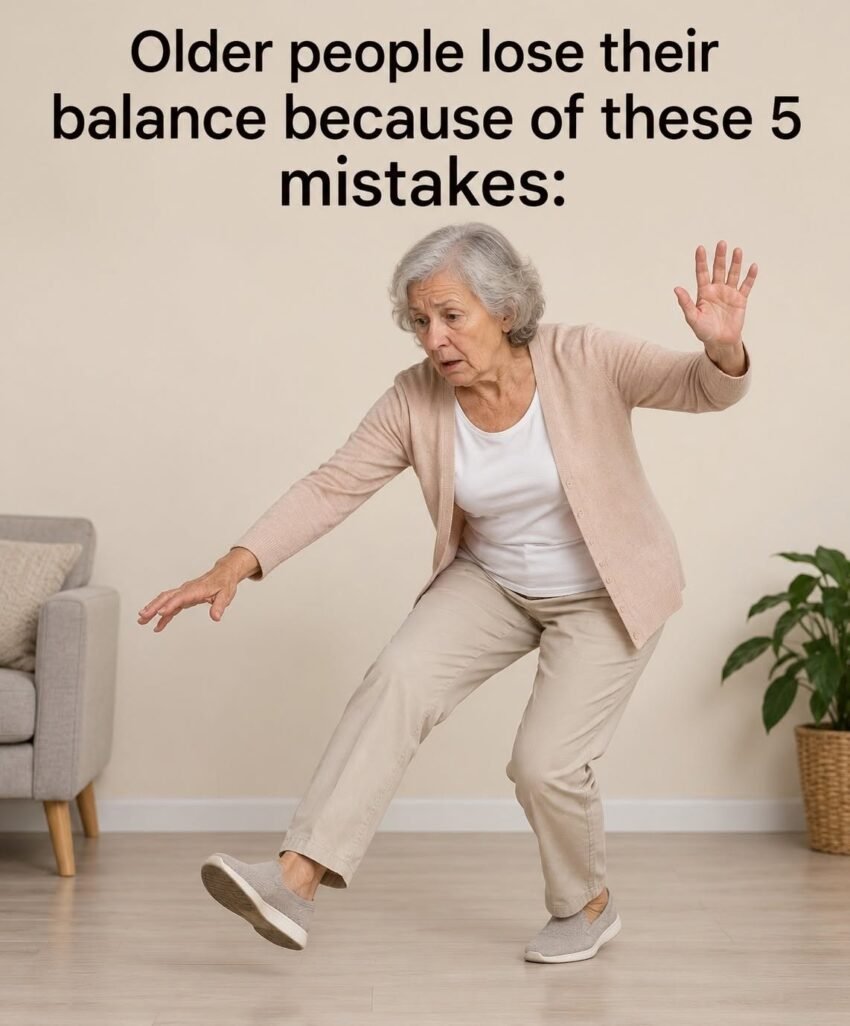
Good balance is important at every age, but it becomes especially valuable as we get older. Changes in muscle strength, vision, flexibility, medications, and coordination can gradually make everyday movements less steady.
The good news is that some habits that contribute to poor balance are modifiable. Recognizing them early can help older adults stay active and reduce the risk of falls.
1. Staying Too Inactive
One of the most common mistakes is avoiding movement because of fear of falling. Unfortunately, too much inactivity can lead to weaker leg and core muscles, reduced flexibility, and poorer coordination.
Simple activities such as walking, gentle strength exercises, and balance-focused movements can help maintain physical function.
2. Ignoring Vision Problems
Vision plays an important role in balance. Difficulty seeing steps, uneven surfaces, obstacles, or changes in lighting can make walking less safe.
Older adults should have their vision checked regularly and make sure glasses or contact lenses are providing the correct prescription.
3. Wearing Unsafe Footwear
Loose slippers, worn-out shoes, high heels, or footwear with poor traction can increase the chance of slipping or losing stability.
Choose comfortable, properly fitting shoes with good support and a non-slip sole, particularly when walking outdoors or on unfamiliar surfaces.
4. Taking Medications Without Reviewing Their Effects
Some medications can cause dizziness, drowsiness, weakness, or a drop in blood pressure when standing. These effects can potentially affect balance.
This does not mean an older adult should stop taking prescribed medicine. Instead, medications should be reviewed periodically with a doctor or pharmacist, especially if dizziness or unsteadiness has recently developed.
5. Ignoring Dizziness or Repeated Unsteadiness
Occasional unsteadiness shouldn’t simply be dismissed as a normal part of aging. Balance problems can sometimes be associated with inner-ear disorders, neurological conditions, blood-pressure changes, vision problems, muscle weakness, or medication effects.
Anyone experiencing repeated falls, new severe dizziness, fainting, sudden weakness, trouble speaking, severe headache, or sudden changes in vision should seek medical attention promptly.
Simple Ways to Support Better Balance
Older adults can support balance by:
- Staying physically active within their abilities
- Practicing strength and balance exercises safely
- Keeping walkways free of clutter
- Improving lighting around stairs and hallways
- Using handrails where appropriate
- Wearing supportive footwear
- Staying hydrated
- Having vision and hearing checked regularly
- Discussing recurring dizziness or falls with a healthcare professional
Final Thoughts
Balance can change with age, but losing stability is not something that should simply be accepted as inevitable. Staying active, addressing vision problems, choosing safe footwear, reviewing medications, and paying attention to new symptoms can all contribute to safer movement and greater independence.
If balance has noticeably worsened or falls are occurring repeatedly, a healthcare professional can help identify the underlying cause and recommend appropriate exercises or treatment.