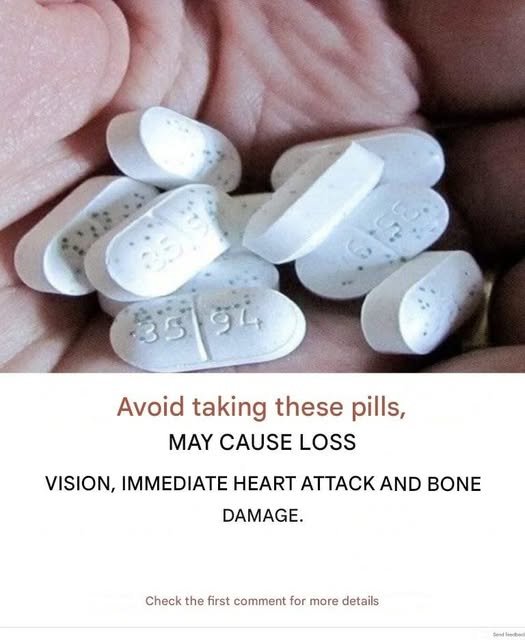
Medicines are designed to help treat illness and improve health, but like all medications, they can also have side effects. Some medicines can increase the risk of blood clots, stroke, or serious heart-related problems, particularly in people who already have certain risk factors.
That does not mean every tablet is dangerous, and you should never stop a prescribed medicine simply because you read a warning online. The risk depends on the specific medication, dose, duration of treatment, and the person’s medical history.
Which Medicines Can Carry These Risks?
One important example is a group of medicines called Janus kinase (JAK) inhibitors. The FDA requires prominent warnings for medicines including tofacitinib, baricitinib, and upadacitinib because of risks that can include serious cardiovascular events, blood clots, cancer, and death.
These medicines are used for certain inflammatory conditions, and doctors consider the potential benefits and risks before prescribing them.
Other medications can also have cardiovascular or clotting-related warnings, but the risks vary considerably from one drug to another.
Who May Be at Greater Risk?
The likelihood of experiencing a serious medication-related complication can be influenced by factors such as:
- Previous heart attack or stroke
- A history of blood clots
- Certain heart or blood-vessel conditions
- Smoking
- Older age
- Other medical conditions
- Other medicines being taken at the same time
The FDA specifically advises patients taking certain JAK inhibitors to tell their healthcare professional if they currently smoke, previously smoked, or have experienced a heart attack, other heart problems, stroke, or blood clots.
Warning Signs of a Blood Clot or Heart Attack
Seek urgent medical attention if you develop symptoms that could indicate a serious cardiovascular problem.
Possible heart-attack symptoms include:
- Pressure, tightness, or pain in the chest
- Pain spreading to the arm, back, neck, jaw, or stomach
- Shortness of breath
- Cold sweating
- Nausea or vomiting
- Severe lightheadedness
Possible signs of a blood clot can include:
- Sudden swelling of one leg or arm
- Pain or tenderness in a limb
- Redness or discoloration
- Sudden shortness of breath
- Chest pain
- Rapid breathing or heartbeat
Some blood clots can travel to the lungs and become life-threatening, so sudden breathing difficulty or unexplained chest pain should not be ignored.
Don’t Stop Your Medicine Suddenly
One of the most important messages is this: don’t stop a prescribed medication on your own because of a social-media warning.
Some medications need to be continued to control serious diseases, and suddenly stopping certain treatments can itself be dangerous.
For example, the FDA advises patients taking antiplatelet medicines such as clopidogrel not to stop treatment without speaking with their healthcare professional because stopping these medicines may increase the risk of heart attacks and blood clots.
Instead, ask your doctor or pharmacist whether the medicine you take has any clotting or cardiovascular warnings and whether your individual risk factors require additional monitoring.
Check Your Medicines Regularly
If you take several prescription medicines, over-the-counter products, vitamins, or herbal supplements, make sure your doctor and pharmacist know about all of them.
Drug interactions and underlying health conditions can influence the likelihood of side effects. The FDA notes that factors such as other medications, supplements, age, and existing diseases can affect how a person responds to a medicine.
Keep an up-to-date list of everything you take and review it periodically with a healthcare professional.
The Bottom Line
Some medicines really can increase the risk of blood clots, heart attacks, stroke, or other serious cardiovascular complications, but it is inaccurate to claim that all tablets cause these problems.
The safest approach is to know the specific risks associated with your medication, recognize serious warning symptoms, and discuss concerns with a qualified healthcare professional rather than stopping treatment yourself.
If you experience sudden chest pressure, severe breathing difficulty, fainting, or symptoms suggesting a stroke or serious blood clot, seek emergency medical care immediately.