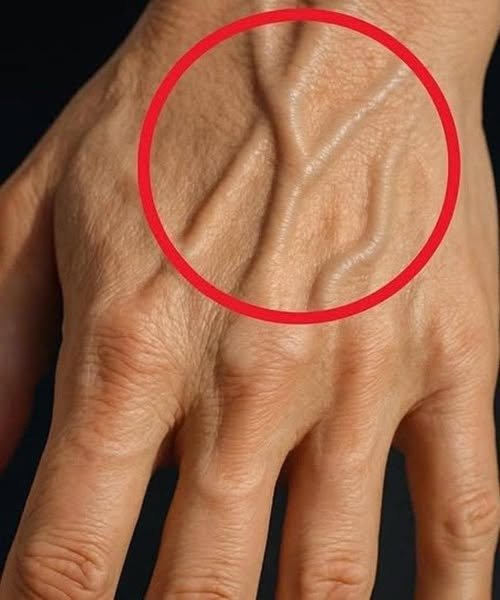
Your hands do much more than help you work, eat, and communicate. They can also show visible changes related to hydration, circulation, skin health, nutrition, aging, and certain medical conditions. While the appearance of your hands cannot diagnose a disease on its own, new or persistent changes are sometimes worth paying attention to.
From unusually pale palms to swollen fingers or changes in the nails, your hands can provide clues about what is happening elsewhere in the body. The key is knowing which changes are harmless and which deserve medical attention.
1. Pale or Unusually White Palms
Naturally light-colored palms are not necessarily concerning, but a noticeable change in skin color may sometimes occur with reduced blood flow or anemia.
Iron-deficiency anemia, for example, can cause paleness along with symptoms such as:
- Tiredness or weakness
- Shortness of breath during activity
- Headaches
- Dizziness
- Feeling cold
- Reduced ability to exercise
Pale hands alone don’t prove that you have anemia. A healthcare professional may recommend a blood test, such as a complete blood count, if other symptoms are present.
2. Red Palms
Some people naturally have reddish palms, and temporary redness can occur after heat, exercise, or irritation.
However, persistent redness of the palms can have several possible causes, including skin conditions, hormonal changes, liver problems, or certain medications.
If the redness is new, persistent, or accompanied by yellowing of the skin or eyes, swelling, itching, unusual bruising, or other symptoms, it is worth discussing with a healthcare professional.
3. Cold Hands
Cold hands are common, especially in cold weather or stressful situations. But consistently cold fingers may sometimes be associated with circulation problems or conditions that affect blood vessels.
Pay attention if your fingers also:
- Turn white or blue
- Become numb or painful
- Tingle frequently
- Change color dramatically in response to cold or stress
These symptoms can occur with conditions such as Raynaud’s phenomenon and should be evaluated if they are frequent or severe.
4. Swollen Fingers or Hands
Hands can temporarily swell after exercise, hot weather, eating a salty meal, or keeping your arms in one position for a long time.
Persistent or unexplained swelling is different.
Possible causes include fluid retention, arthritis, injuries, certain medications, and other medical conditions.
Seek medical advice if swelling is:
- Sudden or severe
- Mainly affecting one hand
- Associated with significant pain
- Accompanied by redness or warmth
- Getting progressively worse
Sudden swelling accompanied by breathing difficulty or chest pain requires urgent medical attention.
5. Changes in the Nails
Your fingernails can change because of aging, repeated trauma, infections, nutritional deficiencies, or underlying health problems.
Watch for changes such as:
- New dark streaks
- Significant discoloration
- Nails becoming very brittle
- Persistent ridges or deformities
- Separation of the nail from the nail bed
- Thickened or unusually shaped nails
A new dark streak under one nail, particularly if it widens or changes over time, should be examined by a healthcare professional.
6. Clubbing of the Fingers
Finger clubbing refers to a gradual change in the shape of the fingertips, where the ends become more rounded or enlarged and the nails may curve more prominently.
Clubbing can sometimes be associated with underlying lung, heart, gastrointestinal, or other medical conditions.
It is not something that can be diagnosed simply by looking at a photograph, so a new or progressive change should be professionally assessed.
7. Dry, Cracked Hands
Dry hands are extremely common and are often caused by:
- Frequent handwashing
- Cold or dry weather
- Harsh soaps
- Cleaning products
- Hot water
- Eczema or other skin conditions
Using a fragrance-free moisturizer regularly, especially after washing, can help protect the skin barrier.
If cracking becomes severe, painful, infected, or doesn’t improve with basic skin care, seek medical advice.
8. Trembling or Shaking Hands
A slight tremor can occur temporarily because of stress, caffeine, fatigue, low blood sugar, or certain medications.
A persistent or worsening tremor, however, deserves attention.
The pattern matters. For example, a tremor that occurs mainly when reaching for something can have different causes from one that occurs while the hands are completely at rest.
Don’t assume that hand tremors automatically mean Parkinson’s disease. There are many possible explanations.
9. Tingling or Numbness
Repeated tingling, burning, or numbness in the fingers can sometimes be related to nerve compression or irritation.
For example, carpal tunnel syndrome can cause numbness or tingling particularly in the thumb, index, middle, and part of the ring finger.
Other possible causes include diabetes, certain vitamin deficiencies, nerve disorders, or circulation problems.
Persistent symptoms should be evaluated rather than ignored.
10. Yellowish Skin Around the Hands
A yellowish appearance can sometimes result from something as simple as eating large quantities of foods rich in beta-carotene, such as carrots and sweet potatoes. This condition, called carotenemia, generally does not turn the whites of the eyes yellow.
Yellow skin and yellowing of the whites of the eyes can instead be associated with jaundice.
If yellowing develops suddenly or is accompanied by dark urine, pale stools, abdominal pain, severe itching, or feeling unwell, medical evaluation is important.
Your Hands Are Clues, Not a Diagnosis
One of the biggest mistakes people make with health-related hand changes is assuming that one visible feature automatically identifies a disease.
It doesn’t.
The same symptom can have many different causes, and some changes are completely harmless. What matters most is whether the change is new, persistent, worsening, or accompanied by other symptoms.
For example, cold hands after being outside in winter are very different from fingers that repeatedly turn white or blue even with mild exposure to cold.
When You Should Get Medical Advice
Consider speaking with a healthcare professional if you notice an unexplained change that:
- Persists for several weeks
- Keeps getting worse
- Is accompanied by pain or significant swelling
- Causes numbness or weakness
- Changes the color of your fingers dramatically
- Produces a new or unusual nail change
- Occurs together with unexplained fatigue, weight loss, fever, or breathing problems
And remember that sudden weakness or numbness of one hand or arm, especially with facial drooping or difficulty speaking, can be a sign of stroke and requires emergency care.
Simple Ways to Keep Your Hands Healthy
You don’t need complicated treatments to care for your hands.
A basic routine includes:
- Wash your hands regularly with gentle soap.
- Avoid excessively hot water.
- Apply moisturizer after washing when your skin feels dry.
- Wear gloves when handling harsh cleaning chemicals.
- Protect your hands from extreme cold.
- Keep your nails clean and avoid repeatedly damaging the cuticles.
- Pay attention to persistent changes rather than relying on internet “diagnosis” tricks.
- Maintain good overall health through balanced nutrition, physical activity, adequate sleep, and regular medical checkups.
Final Thoughts
Your hands can sometimes provide useful visual clues about your overall wellness, but they are only one part of the picture. Pale skin, swelling, cold fingers, nail changes, tremors, or numbness can have many possible explanations—and none should be used as a diagnosis by appearance alone.
The most useful approach is to notice changes, consider how long they’ve been present, look for accompanying symptoms, and seek professional advice when something is persistent, unusual, or worsening.