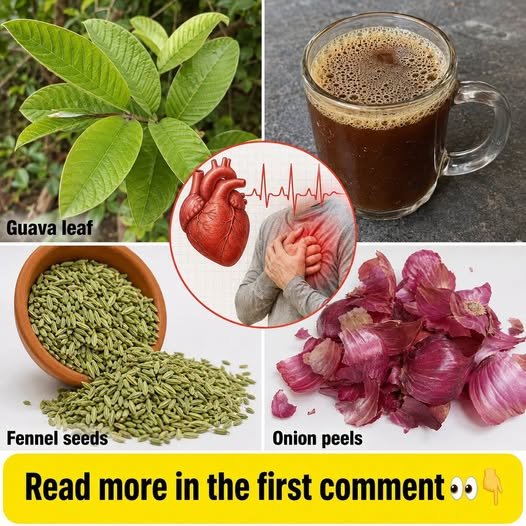
For centuries, traditional cultures have turned to familiar plants, herbs, seeds, and kitchen ingredients as part of everyday wellness practices. Long before modern nutrition science, people developed teas, infusions, and food preparations from ingredients that were readily available around them.
Guava leaves, fennel seeds, and onion peels are three examples with interesting histories in traditional food and herbal practices.
While modern research continues to investigate the compounds found in these ingredients, traditional use should not be confused with proven medical treatment. None of these ingredients should be considered a substitute for prescribed heart medications, a balanced diet, exercise, or medical care.
Guava Leaves
Guava leaves have been used traditionally in various regions as herbal infusions and teas.
The leaves contain naturally occurring plant compounds, including polyphenols and other antioxidants, that have attracted scientific interest. Traditionally prepared guava-leaf tea has been consumed as part of general wellness practices.
Some early research has explored possible effects on blood sugar and cholesterol, but evidence is not strong enough to describe guava leaves as a treatment for cardiovascular disease.
If you enjoy guava leaves as a traditional tea, consider them an addition to an overall healthy lifestyle rather than a replacement for medical treatment.
Fennel Seeds
Fennel seeds have a long history in culinary and traditional herbal practices. They are commonly chewed after meals or prepared as a fragrant tea.
Fennel contains aromatic compounds and antioxidants, and its traditional uses have often centered around digestion and general comfort after eating.
Because cardiovascular health is closely connected with overall dietary patterns, replacing sugary beverages or heavily processed snacks with unsweetened herbal tea can be a useful lifestyle choice. However, fennel tea itself should not be promoted as a cure for high blood pressure, high cholesterol, or heart disease.
Onion Peels
Onion skins are often discarded, but they contain concentrated plant compounds, including flavonoids such as quercetin.
Because of this, onion peels have attracted interest in nutritional and laboratory research. Some people traditionally use onion skins to prepare infused water or tea, while others use them when making stocks and broths.
However, laboratory findings about individual compounds do not automatically mean that drinking onion-peel tea prevents heart attacks or strokes. More research is needed to establish what benefits, if any, specific preparations provide in humans.
If using onion skins in cooking, wash them thoroughly and use onions that are clean and suitable for consumption.
What Really Supports Heart Health?
Traditional ingredients can be interesting additions to a varied diet, but cardiovascular health depends on much more than a single herb or homemade drink.
Important habits include:
- Eating plenty of vegetables and fruits
- Choosing whole grains and high-fiber foods
- Including healthy sources of protein
- Limiting excess sodium and added sugar
- Avoiding tobacco
- Staying physically active
- Maintaining a healthy weight for your individual needs
- Getting adequate sleep
- Managing conditions such as high blood pressure, diabetes, and high cholesterol
- Taking prescribed medications as directed
- Attending appropriate medical checkups
These habits have a much stronger foundation in cardiovascular prevention than relying on a single traditional remedy.
A Note About Herbal Remedies
“Natural” does not automatically mean risk-free. Herbs and concentrated plant preparations can sometimes interact with medications or cause side effects.
People taking medicines for blood pressure, blood clotting, diabetes, heart conditions, or other chronic illnesses should check with a doctor or pharmacist before regularly consuming concentrated herbal preparations.
Traditional wisdom can offer fascinating insight into how different cultures have used plants for generations. Modern research can then help us understand which traditional practices are supported by evidence and which claims remain uncertain.
Final Thoughts
Guava leaves, fennel seeds, and onion peels each have a fascinating place in traditional food and herbal practices. Their naturally occurring plant compounds continue to be studied, but it is important to distinguish traditional use from clinically proven cardiovascular treatment.
Enjoying wholesome plant foods and traditional beverages can be part of a healthy lifestyle, but protecting your heart is best approached through a combination of nutritious eating, physical activity, regular health monitoring, and appropriate medical care.