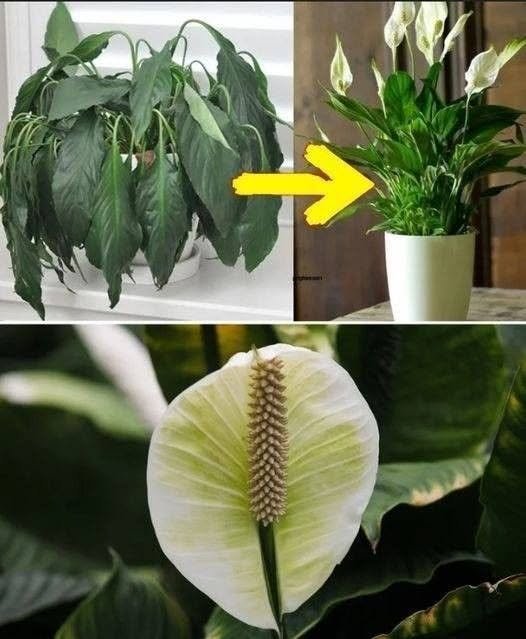
The Simple Plant Booster That Helped My Plant Bloom Again 🌱🌸
If your plant looks tired, isn’t producing flowers, or seems to have stopped growing, a simple homemade plant treatment can sometimes give it the extra support it needs. This gentle recipe uses one tablespoon of diluted liquid fertilizer directly in the pot rather than relying on harsh homemade mixtures.
What You’ll Need
- 1 tablespoon balanced liquid houseplant fertilizer
- 1 liter (about 4 cups) of water
- A clean watering can or container
- Your potted plant
Directions
1. Dilute the Fertilizer
Pour 1 liter of water into a clean container.
Add 1 tablespoon of liquid fertilizer only if that amount matches the fertilizer’s label directions. Fertilizer strengths vary considerably, so the product label should always take priority.
Mix thoroughly.
2. Prepare the Plant
Check that the plant’s soil isn’t completely dry or waterlogged.
If the soil is bone-dry, lightly moisten it with plain water first. Applying concentrated fertilizer to extremely dry roots can cause root damage.
3. Apply the Mixture
Pour the diluted fertilizer slowly over the soil around the plant.
Avoid pouring it directly onto the leaves or flowers.
Allow excess water to drain through the bottom of the pot.
Don’t let the pot sit in standing water.
4. Give the Plant the Right Conditions
Fertilizer alone won’t make a struggling plant bloom.
Place the plant where it receives the amount of light appropriate for its species, keep the soil appropriately moist, and make sure the pot has good drainage.
5. Don’t Overfeed
More fertilizer isn’t better.
Overfertilizing can cause root damage, leaf-tip burn, salt buildup, and poor growth. Follow the recommended frequency and dilution printed on your fertilizer.
An Important Tip
There isn’t one homemade mixture that can reliably “save” every plant. Different plants have very different nutritional requirements, and a plant that isn’t flowering may actually need more light, a different watering schedule, pruning, repotting, or simply time.
If you’re using a commercial liquid fertilizer, the label’s dilution instructions are more important than the one-tablespoon rule.
For Healthier Blooms
- Give the plant suitable light.
- Use a pot with drainage holes.
- Don’t keep the soil constantly soggy.
- Remove dead flowers and leaves.
- Fertilize only during the plant’s active growing period when appropriate.
- Check for pests regularly.
- Avoid homemade mixtures containing salt, vinegar, bleach, or concentrated baking soda.
A little properly diluted fertilizer, combined with the right light, water, soil, and drainage, can help a healthy plant produce beautiful new growth and blooms without risking fertilizer burn.