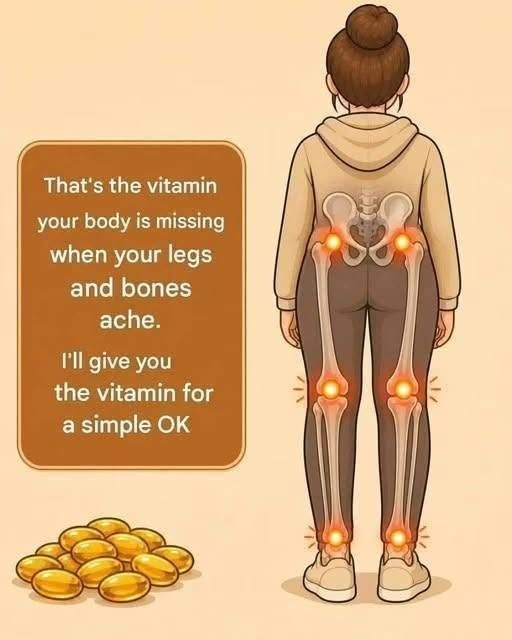
Leg pain, aching bones, muscle discomfort, and tenderness can make everyday activities feel exhausting. Whether you notice discomfort after walking, experience aching legs at night, or feel soreness when getting out of bed, you may wonder whether your body is missing an essential vitamin.
One nutrient that deserves attention is vitamin D. It helps your body absorb calcium and maintain healthy bones and muscles. When vitamin D levels become too low, some people develop bone discomfort, muscle weakness, or aching that affects their legs and other parts of the body.
However, vitamin D is not a universal cure for leg or bone pain. These symptoms can also be associated with muscle strain, arthritis, nerve problems, circulation issues, injuries, and other medical conditions. Identifying the underlying cause is the most reliable way to find effective relief.
In this article, we explore the vitamins and minerals involved in bone and muscle health, common signs of nutritional deficiencies, foods that support strong bones, and when leg pain needs medical attention.
Why Vitamin D Is Important for Leg and Bone Health
Vitamin D helps the body absorb calcium from food and maintain normal calcium and phosphate levels. These minerals are essential for building and maintaining strong bones.
Vitamin D also contributes to normal muscle function. When levels are severely deficient, bones may become weak or painful, and muscles may feel weak or uncomfortable.
In adults, prolonged, severe vitamin D deficiency can lead to osteomalacia, a condition in which bones do not mineralize properly. Possible symptoms include:
- Aching or tenderness in the bones
- Pain in the hips, pelvis, thighs, or lower legs
- Muscle weakness
- Difficulty climbing stairs or getting up from a chair
- Increased risk of fractures in more severe cases
These symptoms are not specific to vitamin D deficiency. Having leg pain does not automatically mean you need a vitamin D supplement.
A blood test measuring 25-hydroxyvitamin D [25(OH)D] can help assess vitamin D status when a healthcare professional believes testing is appropriate.
Five Nutrients That Support Healthy Bones and Muscles
Vitamin D is important, but it works alongside other nutrients. The best approach is to maintain a balanced diet and correct deficiencies when they are identified.
1. Vitamin D: Supports Calcium Absorption
Vitamin D helps your body use calcium effectively. Low levels can contribute to weakened bones and muscle problems.
Food sources include:
- Oily fish, such as salmon and sardines
- Egg yolks
- Fortified milk or plant-based milk
- Fortified breakfast cereals
- Some UV-exposed mushrooms
Sunlight allows the skin to produce vitamin D, but production varies with season, time of day, skin pigmentation, clothing, and sunscreen use. Sun exposure should be sensible, and deliberate sunburn is never a safe way to increase vitamin D.
If you spend most of your time indoors or have other risk factors for deficiency, discuss testing or supplementation with a healthcare professional.
2. Calcium: Helps Maintain Strong Bones
Calcium is the main mineral in bones. Getting enough calcium throughout life helps maintain bone strength and supports normal muscle contraction and nerve function.
Low calcium intake over time can contribute to poor bone health. However, taking additional calcium is unlikely to relieve unexplained leg pain unless an inadequate intake or another calcium-related problem is contributing.
Good food sources include:
- Milk, yogurt, and cheese
- Calcium-fortified plant-based drinks
- Calcium-set tofu
- Sardines with edible bones
- Certain leafy green vegetables
Vitamin D and calcium work together, but supplements are not automatically necessary if your diet already provides enough.
3. Magnesium: Supports Normal Muscle Function
Magnesium is involved in muscle contraction, nerve signaling, and many other body processes. Severe deficiency can cause weakness, muscle cramps, tremors, and other symptoms.
Food sources include:
- Almonds and cashews
- Pumpkin seeds
- Beans and lentils
- Whole grains
- Spinach and other leafy greens
Leg cramps do not necessarily mean magnesium is low. Taking high-dose magnesium without a clear need may cause diarrhea, and it can be dangerous for people with significant kidney impairment.
4. Vitamin B12: Supports Nerve Health
Vitamin B12 helps maintain healthy nerves and red blood cells. Deficiency can cause numbness, tingling, balance problems, weakness, and sometimes a burning or unusual sensation in the feet and legs.
Unlike typical bone pain, B12-related symptoms often involve nerve function.
Food sources include:
- Meat and poultry
- Fish and shellfish
- Eggs
- Milk and other dairy products
- Foods fortified with vitamin B12
People following a vegan diet, those with certain digestive conditions, and some people taking particular medications may be at greater risk of deficiency.
If leg discomfort is accompanied by numbness, tingling, or balance changes, seek medical assessment rather than relying on supplements alone.
5. Vitamin C: Supports Collagen Formation
Vitamin C is needed to make collagen, a structural protein found in bones, cartilage, skin, and connective tissue. It also supports wound healing and helps the body absorb iron from plant foods.
Severe vitamin C deficiency can cause joint or muscle pain, fatigue, gum problems, and easy bruising, although it is uncommon in people who eat a varied diet.
Good food sources include:
- Oranges and other citrus fruits
- Guava
- Kiwi
- Strawberries
- Bell peppers
- Tomatoes
Eating vitamin C-rich foods regularly supports overall health, but extra vitamin C is not a proven treatment for ordinary leg pain.
How to Recognize Possible Nutrient Deficiencies
Symptoms vary depending on which nutrient is low and how severe the deficiency is. They can also overlap with symptoms of other conditions.
| Possible deficiency | Symptoms that may occur |
|---|---|
| Vitamin D | Bone discomfort, muscle weakness, difficulty climbing stairs |
| Calcium | Muscle spasms, tingling, and cramps in significant deficiency |
| Magnesium | Weakness, tremors, muscle cramps in significant deficiency |
| Vitamin B12 | Numbness, tingling, balance problems, fatigue |
| Vitamin C | Easy bruising, gum problems, poor wound healing in severe deficiency |
These symptoms cannot confirm a deficiency on their own. A healthcare professional may recommend blood tests based on your medical history, diet, examination, and symptoms.
Best Foods for Strong Bones and Comfortable Muscles
A balanced diet provides the nutrients your bones, muscles, and nerves need to function properly.
Consider including the following foods in your regular meals:
- Eggs: Provide protein and some vitamin D and B12.
- Milk and yogurt: Supply calcium, protein, and often vitamin B12.
- Fish: Provides protein and, in some varieties, vitamin D and omega-3 fats.
- Pumpkin seeds: Supply magnesium and other minerals.
- Almonds: Provide magnesium, healthy fats, and some calcium.
- Lentils and beans: Offer protein, magnesium, and other important nutrients.
- Leafy greens: Supply vitamin K, magnesium, and other nutrients, depending on the vegetable.
- Guava and citrus fruits: Provide vitamin C.
No single food supplies every nutrient in sufficient amounts. Variety is more useful than relying on one particular ingredient.
Can Vitamin D Supplements Relieve Leg Pain?
Vitamin D supplements can help correct a confirmed deficiency. If the deficiency is responsible for bone discomfort or muscle weakness, treatment may improve symptoms over time.
However, taking vitamin D when your levels are already adequate is not a reliable way to treat unexplained pain.
The appropriate dose depends on your age, blood results, health conditions, diet, and other medications. Avoid taking high-dose vitamin D capsules or injections without medical advice. Excessive vitamin D can cause dangerously high calcium levels and damage the kidneys.
If a clinician recommends supplementation, follow the prescribed dose and duration. They may recommend repeat testing when appropriate.
Other Common Causes of Leg and Bone Pain
Nutritional deficiencies are only one possible explanation. Leg pain can also arise from several other conditions.
Muscle Strain or Overuse
Exercise, prolonged standing, heavy lifting, or sudden increases in physical activity can strain muscles. Rest from aggravating activities and gentle movement may help uncomplicated soreness.
Arthritis
Arthritis can cause pain, stiffness, swelling, and reduced movement around joints such as the knees and hips. Treatment depends on the type of arthritis and its severity.
Nerve Problems
Conditions affecting the nerves in the back or legs can produce shooting pain, burning, tingling, or numbness. These symptoms may require a clinical examination.
Circulation Problems
Poor blood flow can cause leg discomfort, especially during walking. Sudden swelling, warmth, and pain in one leg may indicate a blood clot and require urgent evaluation.
Anemia or Other Medical Conditions
Anemia may contribute to fatigue and weakness. Kidney, thyroid, and other health conditions can also cause muscle or bone symptoms.
Persistent or unexplained pain should not be attributed to a vitamin deficiency without considering these possibilities.
Simple Daily Habits for Bone and Muscle Health
Stay Physically Active
Regular walking, strength exercises, and appropriate weight-bearing activities support bone and muscle health. Start gradually, particularly if you have pain or have not exercised recently.
Eat Enough Protein
Protein supports muscle maintenance and recovery. Include suitable sources such as eggs, dairy products, fish, chicken, beans, or lentils in your meals.
Maintain Adequate Hydration
Drink fluids regularly according to your needs. Dehydration can contribute to feeling unwell and may worsen some types of muscle discomfort, although drinking extra water will not treat every cause of cramps.
Prioritize Sleep
Adequate sleep supports recovery and general well-being. Persistent night-time pain, however, should be evaluated rather than simply attributed to poor sleep.
Avoid Smoking
Smoking is associated with poorer bone health and can impair circulation. Avoiding tobacco supports long-term bone and cardiovascular health.
When Should You See a Doctor?
Seek emergency medical attention if you experience:
- Sudden leg swelling, pain, warmth, or redness, particularly in one leg
- Chest pain or sudden shortness of breath, especially with leg swelling
- Severe pain following an injury or an inability to bear weight
- A cold, pale, or blue foot or leg, particularly with sudden pain or numbness
Arrange a medical appointment if pain persists, repeatedly wakes you at night, worsens over time, or occurs with unexplained weight loss, fever, persistent weakness, numbness, or difficulty walking.
A clinician may examine your muscles, joints, nerves, and circulation and recommend tests such as vitamin D, vitamin B12, calcium, or other blood tests when indicated.
Frequently Asked Questions
Which vitamin is best for leg and bone pain?
Vitamin D is especially important for bone health because it helps the body absorb calcium. A deficiency can cause bone discomfort and muscle weakness, but vitamin D is not the answer to every type of leg pain.
Does vitamin D deficiency cause leg pain at night?
Severe deficiency can cause bone discomfort and muscle weakness, but pain at night has many possible causes. Persistent night-time pain deserves medical evaluation rather than assuming a vitamin deficiency.
How long does vitamin D take to improve symptoms?
When symptoms are caused by a vitamin D deficiency, improvement may take several weeks or longer, depending on the severity of the deficiency and the treatment plan. Some people need additional evaluation because their symptoms have another cause.
Can I take vitamin D and calcium together?
They can be used together when needed, and vitamin D helps the body absorb calcium. However, supplements should be based on your dietary intake, medical history, and professional advice, particularly if you have kidney disease or a history of kidney stones.
Is sunlight enough to correct vitamin D deficiency?
Sunlight helps your skin produce vitamin D, but the amount produced varies considerably. Some people require dietary changes or supplements to correct a deficiency. A healthcare professional can help determine the appropriate approach.
Does magnesium help with leg cramps?
Magnesium deficiency can cause muscle symptoms, but many leg cramps occur for other reasons. Magnesium supplements do not consistently relieve ordinary cramps in people who are not deficient and may be unsafe in some medical conditions.
Should I take a multivitamin for bone pain?
A multivitamin may help fill certain dietary gaps, but it is not a substitute for identifying the cause of pain. Taking multiple supplements together can also lead to excessive intake of certain nutrients.
Final Thoughts
Vitamin D is one of the most important nutrients for maintaining strong bones and normal muscle function. When levels are low, correcting the deficiency may help relieve associated bone discomfort and weakness.
Calcium, magnesium, vitamin B12, and vitamin C also contribute to bone, muscle, or nerve health. A balanced diet, appropriate physical activity, and adequate nutrition can support these systems, but supplements should be used thoughtfully.
The most important step is to identify why your legs or bones hurt. If the discomfort is persistent, severe, or accompanied by swelling, numbness, weakness, or other concerning symptoms, seek medical advice instead of relying on vitamins alone.
SEO Details
SEO Title: The Essential Vitamin for Leg and Bone Pain: Vitamin D Explained
Focus Keyphrase: Vitamin for Leg and Bone Pain
URL Slug: vitamin-for-leg-and-bone-pain
Meta Description: Learn how vitamin D, calcium, magnesium, and B12 support bone and muscle health, which foods provide them, and when leg pain needs medical attention.
Suggested Tags: Vitamin D, Leg Pain, Bone Health, Vitamin Deficiency, Muscle Weakness, Calcium, Magnesium, Vitamin B12, Healthy Bones, Nutrition Tips