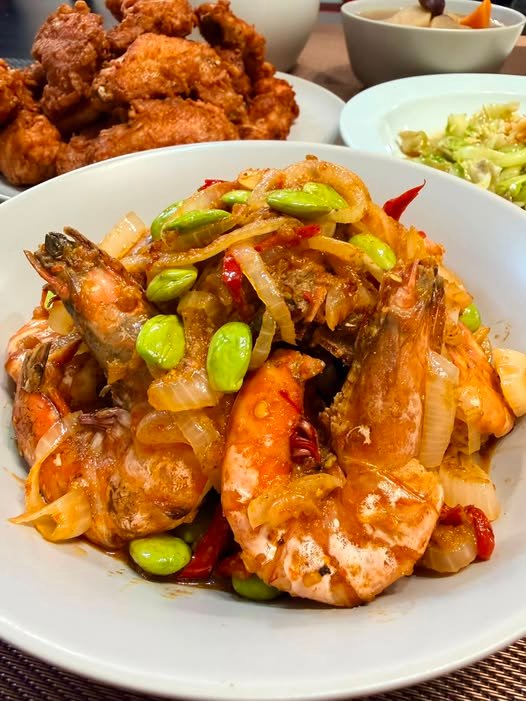
Spicy Prawn and Stink Bean Sambal is a vibrant Southeast Asian dish packed with juicy prawns, aromatic sambal chili paste, and the distinctive flavor of stink beans. Popular in Malaysian and Indonesian cooking, this dish combines fiery chilies, garlic, shallots, and a savory balance of sweet, salty, and tangy flavors to create an unforgettable seafood meal.
Stink beans, also known as petai, have a strong, distinctive aroma and a slightly bitter, earthy taste. When cooked with spicy sambal, their bold flavor complements the natural sweetness of fresh prawns beautifully. The result is a colorful, spicy dish that pairs wonderfully with steamed rice and simple vegetable sides.
Whether you enjoy Malaysian cuisine, love experimenting with seafood, or want to bring restaurant-style sambal flavors into your home kitchen, this recipe is worth trying. You can adjust the chili level to suit your preference while keeping the dish rich, aromatic, and satisfying.
Why You’ll Love This Spicy Prawn and Stink Bean Sambal
- Bold, authentic-inspired flavors: Chilies, garlic, shallots, and shrimp paste create a deeply savory sambal.
- Juicy, tender prawns: Quickly cooked prawns absorb the spicy sauce without becoming tough.
- Distinctive stink beans: Petai adds a unique earthy flavor and a pleasant bite.
- Easy to customize: Make it milder, hotter, sweeter, or more tangy according to your taste.
- Perfect with rice: The flavorful sauce makes a delicious accompaniment to steamed jasmine rice or other plain rice varieties.
- Quick enough for dinner: Once the ingredients are prepared, the dish cooks relatively quickly.
Recipe Information
- Preparation time: 20 minutes
- Cooking time: 20 minutes
- Total time: Approximately 40 minutes
- Servings: 4
- Cuisine: Malaysian and Indonesian inspired
- Course: Main dish or seafood side dish
- Difficulty: Moderate
Ingredients for Spicy Prawn and Stink Bean Sambal
For the Prawns
- 500 g medium or large raw prawns, peeled and deveined
- 1 tablespoon neutral cooking oil
- ¼ teaspoon salt, or to taste
- ¼ teaspoon ground black pepper
- 1 teaspoon lime juice, optional
For the Sambal Paste
- 8–10 dried red chilies, soaked in hot water and drained
- 4–6 fresh red chilies, adjusted to taste
- 5 shallots, peeled and roughly chopped
- 4 garlic cloves
- 1 tablespoon belacan, or Malaysian fermented shrimp paste
- 1 teaspoon sugar, preferably palm sugar if available
- 2 tablespoons neutral cooking oil, for frying the paste
For the Main Dish
- 200–250 g stink beans (petai), shelled and cleaned
- 1 medium onion, thinly sliced
- 1 medium tomato, chopped
- 1 tablespoon tamarind water, or to taste
- ½ teaspoon salt, or to taste
- ½ teaspoon sugar, optional
- 2–4 tablespoons water, as needed
- 1 tablespoon cooking oil, if needed
- Lime wedges, for serving
Ingredient note: Belacan gives sambal its characteristic fermented seafood flavor. If you cannot find it, you can omit it, although the flavor will be different. Shrimp paste and other fermented seafood products can contain shellfish allergens, so check the packaging and avoid them if you have an allergy.
How to Make Spicy Prawn and Stink Bean Sambal
Step 1: Prepare the Ingredients
Peel and devein the prawns if they are not already prepared. Rinse them briefly if needed and pat them dry with paper towels.
Season the prawns lightly with salt, black pepper, and optional lime juice. Set aside in the refrigerator while preparing the other ingredients.
If using dried chilies, remove the stems and soak them in hot water until softened. Drain well. Shell and clean the stink beans, then slice them in half if they are particularly large.
Prepare the shallots, garlic, fresh chilies, onion, and tomato before you begin cooking. Having everything ready makes it easier to control the heat and prevent the sambal from burning.
Step 2: Blend the Sambal Paste
Place the softened dried chilies, fresh red chilies, shallots, garlic, and belacan in a blender or food processor.
Blend into a thick paste. Add only a small splash of water if necessary to help the ingredients blend. A thick paste is preferable because excess water can make frying slower and cause splattering.
If you prefer a rustic texture, pulse the ingredients instead of blending them completely smooth.
Step 3: Fry the Sambal Paste
Heat two tablespoons of oil in a wok or large frying pan over medium heat.
Add the sambal paste carefully and stir frequently. Cook for approximately 8–12 minutes, lowering the heat if necessary.
At first, the mixture may smell sharp and release moisture. Continue cooking until the paste becomes darker, fragrant, and thicker, with some oil beginning to separate around the edges.
This step is important because properly fried sambal develops a deeper flavor and loses much of the raw aroma of the chilies and shallots.
Avoid cooking over excessively high heat, as the garlic and chilies can burn and become bitter.
Step 4: Add the Onion and Tomato
Add the sliced onion to the sambal and cook for 2–3 minutes until it begins to soften.
Stir in the chopped tomato and cook for another 3–4 minutes. Press the tomato gently with your spoon so it releases its juices and blends into the sauce.
Add the tamarind water, sugar, and a little salt. Stir well and taste the sambal.
The flavor should be spicy, savory, and slightly tangy. Add a little more tamarind water if you enjoy a sharper flavor, or a small amount of sugar if you prefer a rounder balance.
Step 5: Add the Stink Beans
Add the cleaned stink beans to the sambal and stir until they are coated evenly.
Cook for approximately 3–5 minutes, depending on their size and how tender you prefer them. Add two tablespoons of water if the sauce becomes too thick or begins sticking to the pan.
Stink beans have a distinctive flavor that can be quite strong. Cooking them briefly allows them to retain some texture while absorbing the sambal.
If you prefer softer beans, cook them a little longer and add a splash of water as needed.
Step 6: Cook the Prawns
Add the raw prawns to the pan and toss them gently through the sambal.
Cook for approximately 3–5 minutes, depending on their size, stirring occasionally until they turn opaque and pink and are cooked through. The thickest part should reach 145°F (63°C) for food safety.
Do not cook the prawns for much longer than necessary, as overcooking can make them rubbery.
If the sauce is too thick, add a tablespoon of water at a time. If it is too loose, let it simmer briefly until it reaches your preferred consistency.
Step 7: Taste and Serve
Taste the sambal and adjust the salt, sugar, or tamarind water as needed.
Remove the pan from the heat and allow the dish to rest for a minute so the flavors settle. Transfer to a serving plate and garnish with lime wedges if desired.
Serve hot with freshly steamed rice and your favorite vegetables.
Tips for the Best Prawn and Stink Bean Sambal
Use Fresh, Firm Prawns
Fresh or properly thawed frozen prawns both work well. Choose prawns with a clean smell and firm texture. Thaw frozen prawns safely in the refrigerator or under cold running water in a sealed bag, then drain and pat dry before cooking.
Fry the Sambal Thoroughly
The paste is the heart of this recipe. Frying it slowly helps deepen its flavor and reduces the raw taste of the aromatics. Stir often and adjust the heat to prevent burning.
Control the Chili Heat
For a milder dish, reduce the fresh chilies and remove their seeds. For a hotter sambal, add extra bird’s-eye chilies or a little chili paste.
The heat of dried and fresh chilies varies, so add them according to your tolerance rather than relying only on the number listed.
Do Not Overcook the Prawns
Prawns cook quickly. Add them after the sambal and stink beans have had time to develop their flavor. This keeps the seafood tender while allowing the sauce to coat each piece.
Balance the Flavors Gradually
Tamarind adds acidity, sugar softens the sharpness, and salt brings the ingredients together. Make small adjustments and taste as you go instead of adding large amounts at once.
Use a Wok or Wide Pan
A wide pan helps moisture evaporate while the sambal fries. It also gives the prawns and beans enough room to cook evenly without being crushed or crowded.
Delicious Variations
1. Extra-Hot Stink Bean Sambal
Add a few finely chopped bird’s-eye chilies to the sambal paste. You can also add sliced fresh chilies near the end for extra heat and texture.
2. Sweet and Spicy Prawn Sambal
Add a little extra palm sugar or brown sugar to soften the chili heat. Keep the sweetness subtle so that it does not overpower the prawns or the distinctive flavor of petai.
3. Sambal with Squid
Replace part of the prawns with cleaned squid. Squid cooks quickly, so add it near the end and avoid prolonged simmering to prevent a tough texture.
4. Prawn Sambal Without Belacan
Omit the fermented shrimp paste for a simpler version. Add a little extra garlic and shallot for flavor, then adjust the salt and tamarind carefully. The resulting dish will not have exactly the same traditional flavor.
5. Vegetable-Rich Sambal
Add sliced long beans, bell peppers, or green beans for extra color and crunch. Cook firmer vegetables until nearly tender before adding the prawns.
6. Less-Spicy Sambal
Use fewer chilies, omit the bird’s-eye varieties, and add a little extra tomato. The result will be milder while retaining the savory sambal character.
What to Serve with Spicy Prawn and Stink Bean Sambal
This dish has a strong, spicy flavor, so it pairs especially well with plain rice and simple side dishes.
- Steamed jasmine rice: A classic accompaniment that absorbs the sambal sauce.
- Coconut rice: Adds a creamy, fragrant contrast to the spicy prawns.
- Plain basmati rice: A convenient option when jasmine rice is unavailable.
- Stir-fried greens: Bok choy, spinach, or water spinach provides a fresh vegetable side.
- Cucumber slices: Their cool, crisp texture balances the heat.
- Fresh lime wedges: A squeeze of lime brightens the rich sambal.
- Simple vegetable soup: A light broth can round out the meal without competing with the main dish.
For a complete dinner, serve the sambal with steamed rice, a fresh cucumber salad, and lightly cooked greens.
Storage and Reheating
Because this recipe contains seafood, proper storage is important.
- Refrigeration: Transfer leftovers to a clean, covered container and refrigerate within two hours of cooking. Keep the refrigerator at 40°F (4°C) or below and use the leftovers within 3–4 days.
- Reheating: Reheat only the portion you plan to eat, until it is steaming hot throughout. Add a small splash of water if the sambal has thickened.
- Freezing: You can freeze the cooked dish in an airtight, freezer-safe container for around 1–2 months for best quality. The texture of the prawns and stink beans may change after thawing.
- Thawing: Thaw frozen leftovers in the refrigerator rather than on the counter.
- Avoid repeated reheating: Repeated heating and cooling can affect both safety and texture.
Discard the dish if it has been left at room temperature for too long or shows signs of spoilage. Smell alone cannot reliably establish whether seafood is safe to eat.
Frequently Asked Questions
What are stink beans?
Stink beans, commonly called petai, are edible seeds from a tropical tree widely used in Malaysian, Indonesian, and other Southeast Asian cuisines. They have a strong aroma and a distinctive earthy, slightly bitter taste.
They are often cooked with sambal, seafood, or other intensely flavored ingredients.
Where can I buy stink beans?
Fresh or frozen petai may be available at Southeast Asian grocery stores, specialist Asian food markets, or shops selling Malaysian and Indonesian ingredients. Availability depends on your location. Frozen shelled beans can be convenient when fresh pods are difficult to find.
Can I use frozen prawns?
Yes. Thaw them safely, drain thoroughly, and pat them dry before cooking. Excess water on the prawns can dilute the sambal.
Is belacan necessary?
Belacan contributes a characteristic savory, fermented flavor, but the recipe can be prepared without it. If you omit it, the dish will still be flavorful, although it will taste different from a version made with belacan.
How can I make the sambal less oily?
Use only enough oil to fry the paste properly, and avoid adding extra oil later unless necessary. Some oil helps the paste cook evenly and develop its flavor, but you can reduce the quantity modestly and use a nonstick pan if preferred.
Why does my sambal taste bitter?
The paste may have been fried over excessively high heat, causing the chilies or garlic to burn. Too much belacan or an imbalance in the seasoning can also affect the flavor. Cook the paste over medium to medium-low heat and taste before adding further seasoning.
Can I prepare the sambal paste in advance?
Yes. You can blend the paste ahead of time and refrigerate it in a covered container for up to 2 days. For longer storage, freeze it in small portions. Keep raw seafood separate until you are ready to cook.
Is this dish very spicy?
Traditional-style sambal can be quite hot, but you control the heat by adjusting the number and variety of chilies. Begin with fewer chilies if you are unsure, then add more the next time you prepare the recipe.
Final Thoughts
Spicy Prawn and Stink Bean Sambal is a flavorful Southeast Asian-inspired dish that brings together tender prawns, aromatic chilies, and the unmistakable character of petai. The slow-fried sambal creates a rich, savory sauce, while tamarind adds a bright tang and a touch of sugar balances the heat.
Serve it over steamed rice for a satisfying meal, or pair it with fresh vegetables for a balanced dinner. Once you learn how to prepare a well-fried sambal paste and cook the prawns just until done, this dish becomes easy to customize to your preferred level of heat and flavor.
SEO Details
SEO Title: Spicy Prawn and Stink Bean Sambal – Malaysian-Style Recipe
Focus Keyphrase: Spicy Prawn and Stink Bean Sambal
URL Slug: spicy-prawn-stink-bean-sambal
Meta Description: Make spicy prawn and stink bean sambal with juicy prawns, petai, chilies, and tangy tamarind. A bold Malaysian-inspired seafood recipe served with rice.
Suggested Tags: Spicy Prawn Sambal, Stink Bean Sambal, Petai Recipe, Malaysian Seafood Recipe, Indonesian Sambal, Spicy Prawn Recipe, Asian Seafood Dinner