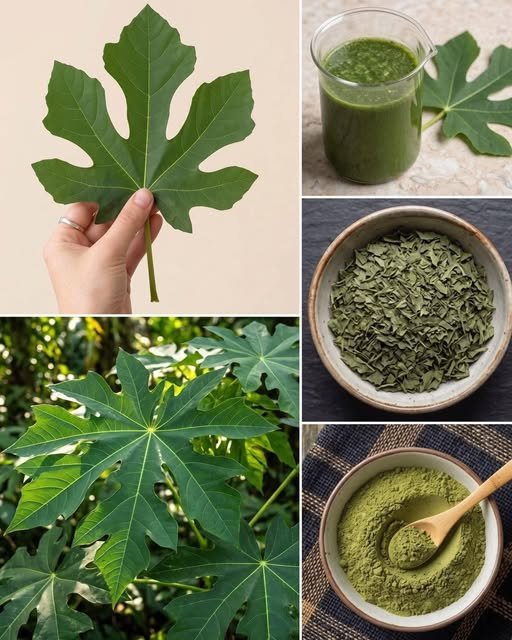
Papaya is best known for its sweet, orange-colored fruit, but the papaya plant’s leaves have also been used traditionally in different cultures for generations. They contain plant compounds that have attracted scientific interest, particularly antioxidants and enzymes.
However, papaya leaves should not be treated as a miracle cure. Some popular online claims—especially that papaya leaf juice can instantly increase platelet counts, cure dengue, eliminate infections, or treat cancer—go far beyond what current evidence can establish.
What Makes Papaya Leaves Interesting?
Papaya leaves contain a variety of naturally occurring compounds, including flavonoids, phenolic compounds, alkaloids, and enzymes. Laboratory research suggests that some of these compounds have antioxidant and other biological activities.
The important distinction is that promising laboratory findings don’t automatically mean that drinking papaya leaf juice will produce the same effects in humans.
1. They Contain Antioxidant Compounds
Papaya leaves contain plant compounds with antioxidant activity. Antioxidants help protect cells from oxidative stress caused by unstable molecules called free radicals.
Including a variety of fruits and vegetables in your diet is a much more established way to obtain beneficial plant compounds.
2. Traditional Use for Digestion
Papaya leaves have been used traditionally in some cultures as herbal preparations for digestive complaints.
The papaya plant also contains papain, a protein-digesting enzyme, although the amount and activity can vary depending on the plant material and preparation.
That doesn’t mean papaya leaves should be considered a treatment for chronic digestive diseases. Persistent abdominal pain, vomiting, diarrhea, or unexplained weight loss deserves proper medical evaluation.
3. Research Into Dengue and Platelets
This is one of the most frequently discussed claims about papaya leaves.
Some small clinical studies and reviews have investigated papaya leaf preparations in people with dengue, particularly whether they might influence platelet counts. Results have been interesting enough to justify further research, but the evidence is not strong enough to consider papaya leaf a proven treatment for dengue.
Most importantly, dengue can become dangerous. A person with suspected dengue should receive appropriate medical monitoring rather than relying on papaya leaf juice.
Warning signs such as severe abdominal pain, persistent vomiting, bleeding, extreme weakness, restlessness, or difficulty breathing require urgent medical attention.
4. Possible Anti-Inflammatory Activity
Compounds found in papaya leaves have demonstrated anti-inflammatory effects in laboratory and animal research.
This is scientifically interesting, but it should not be interpreted as proof that papaya leaf tea or juice can treat arthritis, autoimmune disease, or other inflammatory conditions in humans.
5. Traditional Skin and Hair Uses
Papaya leaves are sometimes incorporated into traditional preparations for skin and hair care.
Because concentrated plant preparations can irritate the skin, it’s wise to be cautious with homemade applications. Don’t apply an unknown preparation to broken or irritated skin without understanding its safety.
How Are Papaya Leaves Traditionally Used?
Depending on the culture, papaya leaves may be prepared as:
- Herbal tea
- Fresh leaf juice
- Cooked vegetable preparations
- Traditional extracts
However, the concentration of active compounds can vary greatly between fresh leaves, teas, juices, and concentrated extracts. There is no universally established dose for using papaya leaves as a general health remedy.
A Safer Way to Think About Papaya Leaves
Rather than asking whether papaya leaves are a “powerful cure,” it’s better to think of them as a plant material with interesting traditional uses and compounds that researchers are still studying.
The papaya fruit itself is a much more straightforward addition to a healthy diet. It provides vitamin C, carotenoids, fiber, and other nutrients and can easily be included in meals and snacks.
Important Precautions
Natural does not automatically mean safe.
Avoid consuming large or concentrated amounts of papaya leaf preparations without professional guidance, particularly if you are pregnant, breastfeeding, taking prescription medications, or have an existing medical condition.
If you are considering papaya leaves because of low platelets, dengue, liver problems, cancer, diabetes, or another medical condition, speak with a qualified healthcare professional rather than replacing medical treatment with an herbal remedy.
Final Thoughts
Papaya leaves are certainly more interesting than many people realize. They contain a range of plant compounds and have a long history of traditional use, while early research continues to explore their antioxidant, anti-inflammatory, and other potential properties.
But the most important message is balance: papaya leaves may have potential, but potential is not the same as proven treatment. Enjoy papaya as part of a varied diet, and treat claims about papaya leaf juice curing serious diseases with healthy skepticism.