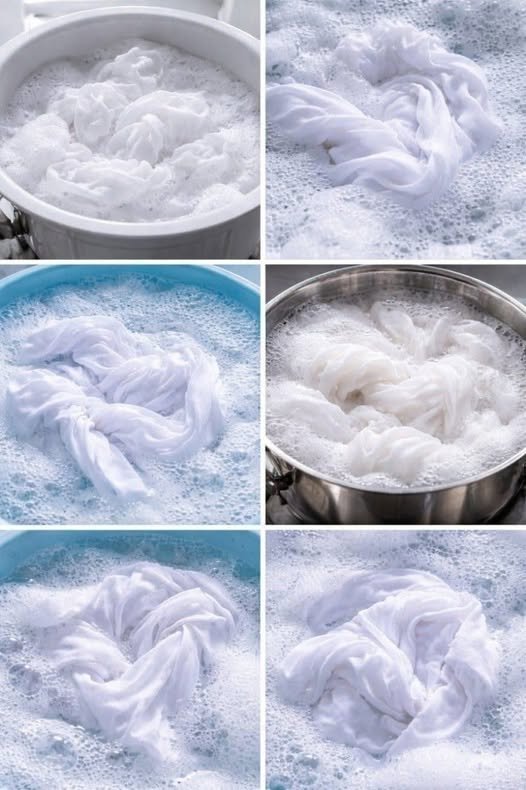
Keeping white clothes bright can feel like a constant battle. Sweat, food stains, body oils, detergent buildup, and everyday dirt can gradually leave whites looking gray or yellow.
The good news is that you don’t always need strong chlorine bleach to freshen your laundry. A few simple laundry habits and readily available household ingredients can help keep white fabrics looking cleaner while reducing your reliance on harsher products.
Here are some practical, eco-friendly laundry tips to try.
1. Let the Sun Help Brighten Your Whites
One of the simplest options is also completely free.
After washing your white clothes, hang them outside in direct sunlight when the fabric’s care instructions allow it.
Sunlight can help brighten some fabrics naturally, and outdoor drying also reduces the energy required by a tumble dryer.
However, prolonged intense sunlight can weaken or fade some materials, so don’t leave delicate fabrics outside for excessive periods.
2. Try Baking Soda for Freshness
Baking soda can be useful for laundry because it can help neutralize odors and support cleaning.
Add approximately ½ cup of baking soda to a regular load along with your usual detergent.
It isn’t a magical whitening agent, but it can help freshen clothes and may be particularly useful for towels, workout clothing, and other fabrics that hold odors.
Always follow your washing machine and clothing-care instructions.
3. Use White Vinegar as a Fabric Rinse
Plain white vinegar can be used in the rinse compartment as an alternative to commercial fabric softener.
Add approximately ½ cup of white vinegar to the fabric-softener compartment for a normal load.
It can help reduce detergent residue and leave fabrics feeling softer.
The vinegar smell generally disappears as the laundry dries.
Important Safety Rule
Never mix vinegar with chlorine bleach.
Combining acids such as vinegar with chlorine bleach can release dangerous chlorine gas.
If you use bleach, follow the product label and keep it completely separate from vinegar and other household chemicals.
4. Pre-Treat Stains Before Washing
Waiting until a stain has gone through several wash-and-dry cycles can make it much harder to remove.
As soon as possible:
- Blot or gently remove excess material.
- Rinse the stained area according to the fabric-care instructions.
- Apply a suitable laundry stain treatment.
- Allow it to work for the recommended time.
- Wash normally.
Avoid putting stained clothing into a hot dryer until you’re sure the stain has disappeared because heat can make some stains more difficult to remove.
5. Don’t Overload the Washing Machine
An overloaded washer may not have enough room for clothes to move freely.
That can prevent detergent and water from reaching every part of the fabric and may leave dirt and residue behind.
Give your clothes enough space to circulate.
A properly sized load can often clean more effectively than stuffing the machine as full as possible.
6. Use the Right Amount of Detergent
More detergent doesn’t necessarily mean cleaner clothes.
Using too much can leave residue behind, which may contribute to dull-looking fabrics over time.
Follow the detergent manufacturer’s recommended dosage and adjust according to the load size, water hardness, and soil level.
If your whites consistently look dull despite proper washing, detergent buildup could be one possible reason.
7. Choose Oxygen-Based Whitening When Appropriate
For stubborn dullness or stains, an oxygen-based laundry whitener can be an alternative to chlorine bleach for many washable fabrics.
Products based on oxygen-releasing compounds can help lift stains and brighten laundry while generally being less harsh than chlorine bleach.
Always check the label first.
Some fabrics—including wool, silk, leather, and certain delicate materials—may not be suitable.
8. Wash Whites Separately
This classic laundry rule still matters.
Washing white clothing with dark or strongly colored garments can gradually transfer dye and make whites appear dull.
Separate laundry into appropriate groups such as:
- Whites
- Light colors
- Dark colors
- Towels
- Delicates
Washing similar fabrics together also makes it easier to choose the appropriate temperature and cycle.
9. Pay Attention to Water Temperature
Hot water isn’t automatically better.
Some stains respond well to warmer washing, but high temperatures can damage certain fabrics and set particular types of stains.
Always check the garment’s care label.
For everyday laundry, the correct detergent and washing cycle are often more important than simply choosing the hottest setting.
10. Keep Your Washing Machine Clean
Sometimes the problem isn’t your clothes—it’s the washing machine.
Detergent residue, mineral deposits, mold, and grime can accumulate inside the machine and contribute to unpleasant odors or poorly cleaned laundry.
Run the machine’s cleaning cycle if it has one, and regularly clean:
- The detergent drawer
- Door seals
- Lint filters
- Other areas specified by the manufacturer
Leave the washer door or lid open after a cycle when appropriate to allow the interior to dry.
11. Treat Yellow Underarm Stains Carefully
Yellow discoloration around collars and underarms can develop from a combination of sweat, body oils, deodorant ingredients, and repeated washing.
Instead of immediately reaching for chlorine bleach, try a laundry stain remover appropriate for the fabric.
For washable white cotton, a paste made with baking soda and a small amount of water can sometimes help loosen surface staining.
Apply gently, let it sit briefly, and wash according to the garment’s care instructions.
Test an inconspicuous area first, particularly with delicate or treated fabrics.
12. Don’t Leave Wet Laundry Sitting in the Machine
A damp load left sitting for hours can develop a musty smell.
Move laundry to the dryer or clothesline soon after the cycle ends.
For the most eco-friendly option, air-drying outdoors or indoors with good ventilation can reduce electricity use.
A Simple Eco-Friendly White-Laundry Routine
For everyday whites, try this routine:
Before washing:
Separate whites and treat visible stains.
During washing:
Use the recommended amount of detergent and avoid overloading the machine.
Optional:
Add baking soda to the wash or white vinegar to the rinse compartment—but never combine vinegar with chlorine bleach.
After washing:
Hang whites outside to dry when practical and when the fabric permits.
For stubborn stains:
Use a fabric-safe oxygen-based product according to its label.
Ingredients You Shouldn’t Mix
Natural or household ingredients aren’t automatically harmless when combined.
Never mix:
- Chlorine bleach + vinegar
- Chlorine bleach + ammonia
- Chlorine bleach + acidic cleaners
These combinations can produce dangerous fumes.
When using any cleaning product, read the label and use it as directed.
Final Thoughts
Brighter whites don’t necessarily require a cupboard full of harsh chemicals.
Simple habits such as washing whites separately, treating stains promptly, avoiding excess detergent, keeping your washing machine clean, and air-drying when possible can make a noticeable difference.
Baking soda, white vinegar, sunlight, and oxygen-based laundry products can each have a place in an eco-conscious laundry routine—but they’re most effective when used appropriately and safely.
The best approach is simple: clean smarter, use only what you need, protect your fabrics, and avoid unnecessary chemical combinations.