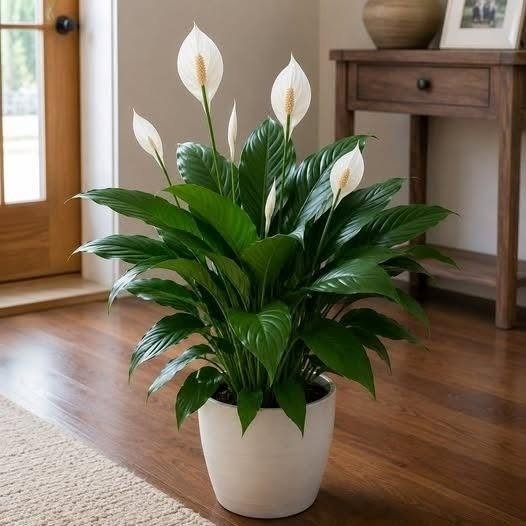
A peace lily can look healthy and green for months without producing a single flower. Then suddenly, after a small change in its care routine, new blooms may appear.
One popular gardening trick involves giving the plant a small amount of a homemade liquid fertilizer or nutrient-rich solution. But there is no magic one-cup mixture that can make every peace lily bloom “like crazy.”
The real secret is giving the plant the right combination of light, water, nutrients, temperature, and healthy roots.
If your peace lily has plenty of leaves but refuses to flower, these simple adjustments can make a noticeable difference.
Why Isn’t My Peace Lily Blooming?
Peace lilies, including plants commonly sold as Spathiphyllum, can flower indoors, but flowering depends heavily on their growing conditions.
Common reasons for a lack of flowers include:
- Not enough bright, indirect light
- Overwatering
- Underwatering
- Poor drainage
- Very old or depleted potting soil
- Too much fertilizer
- Root problems
- Temperature stress
- A plant that is still adjusting to a new location
A peace lily can survive in relatively low light, but surviving and flowering are not the same thing.
The Most Important “Blooming Trick”: Better Light
If your peace lily has lots of healthy leaves but no flowers, check the lighting first.
Place it somewhere with bright, indirect light.
A location near a bright window can work well as long as strong direct afternoon sunlight isn’t scorching the leaves.
Signs that your plant may need more light include:
- Very slow growth
- Long, weak stems
- Dark green but sparse foliage
- No flowers for an extended period
Avoid placing the plant in harsh direct sunlight for long periods because intense sunlight can scorch the foliage.
What About the One-Cup Fertilizer Trick?
A small amount of diluted fertilizer can provide nutrients that support healthy growth, but the exact amount depends on the fertilizer being used.
Rather than pouring an unknown homemade mixture onto the plant, use a balanced liquid houseplant fertilizer according to the product’s label.
If the fertilizer is concentrated, dilute it exactly as directed.
More fertilizer does not mean more flowers.
In fact, excessive fertilizer can cause salt buildup in the soil and damage the roots.
A Simple One-Cup Feeding Method
If you’re using a commercial liquid houseplant fertilizer, prepare the diluted solution according to the label.
Then use approximately one cup of the prepared solution to water a small-to-medium peace lily, allowing excess water to drain from the bottom.
Do not assume that one cup is an appropriate amount for every pot. A large plant in a large container may need more water, while a small plant may need less.
The goal is to moisten the root zone without leaving the plant sitting in stagnant water.
Don’t Fertilize a Severely Stressed Plant
If your peace lily is badly wilted, has rotten roots, or has extremely dry soil, focus on correcting its basic care first.
Fertilizing a severely stressed plant can sometimes make the situation worse.
First improve:
- Watering
- Drainage
- Light
- Root health
- Soil condition
Once the plant begins producing healthy new growth, regular feeding can be considered.
How Often Should You Fertilize?
Peace lilies generally don’t need constant feeding.
During active growth, many indoor plants benefit from occasional fertilization, but the correct frequency depends on the fertilizer concentration, season, growing conditions, and plant size.
Always follow the fertilizer manufacturer’s instructions rather than applying extra fertilizer in an attempt to force flowering.
During periods of slow growth, fertilizer requirements are usually lower.
The Watering Rule That Matters
One of the biggest peace lily mistakes is watering on a strict schedule.
Instead, check the soil.
When the upper portion of the potting mix has started to dry, water thoroughly until some water drains through the bottom.
Then empty the drainage tray.
Avoid keeping the roots continuously saturated.
Signs of Overwatering
- Yellowing leaves
- Soft or collapsing stems
- Persistent wet soil
- Unpleasant smell from the soil
- Root rot
Signs of Underwatering
- Drooping leaves
- Dry potting mix
- Crispy brown leaf edges
- Rapid wilting
Peace lilies are famous for dramatic drooping when thirsty, but repeatedly allowing them to become severely wilted isn’t ideal.
Give Your Peace Lily the Right Soil
Good drainage is essential.
A basic indoor potting mix can work well when combined with materials that improve drainage and aeration, such as perlite.
The pot must also have drainage holes.
A decorative container without drainage can trap excess water around the roots.
Should You Use Coffee, Banana Water, or Rice Water?
You may see homemade fertilizer recipes online using:
- Coffee grounds
- Banana peels
- Rice water
- Eggshells
- Sugar water
These aren’t guaranteed flowering treatments.
Some homemade mixtures can create unpleasant odors, attract insects, encourage microbial growth, or provide nutrients in unpredictable amounts.
For reliable nutrient management, a properly formulated houseplant fertilizer is easier to control.
Remove Old Flowers
Once a peace lily flower has faded, you can remove the spent flower stalk.
Use clean, sharp scissors and cut the stalk near its base.
This improves the plant’s appearance and allows it to focus its resources on new growth rather than maintaining an old flower structure.
Don’t Forget Humidity
Peace lilies generally appreciate moderate to higher humidity.
If the air in your home is very dry, especially during periods of heating or air conditioning, you may notice brown leaf tips.
A humidifier can provide more consistent humidity than frequent misting.
Avoid keeping the leaves constantly wet, especially if airflow is poor.
A Simple Peace Lily Blooming Routine
For a healthier, potentially more floriferous plant, try this routine:
Step 1
Place the peace lily in bright, indirect light.
Step 2
Check the potting mix regularly rather than watering automatically.
Step 3
Water thoroughly when the upper soil begins to dry.
Step 4
Make sure excess water can drain freely.
Step 5
Feed occasionally with a balanced houseplant fertilizer according to its label.
Step 6
Remove old flower stalks and damaged leaves.
Step 7
Repot if the plant has severely compacted soil or has outgrown its container.
Step 8
Give the plant time.
Healthy flowering is usually the result of consistent care rather than one dramatic treatment.
What If Your Peace Lily Is “Ugly”?
Even a neglected-looking peace lily can sometimes recover.
Start by removing completely dead leaves and improving the growing conditions.
Don’t remove every imperfect leaf simply because it has cosmetic damage. Green leaves are still producing energy for the plant.
If the roots are healthy, new leaves can gradually replace older damaged foliage.
If you discover mushy, dark, rotten roots, remove the damaged material with clean tools and repot the plant in fresh, well-draining mix.
Important Safety Note
Peace lilies contain calcium oxalate crystals, which can irritate the mouth and digestive tract if chewed or swallowed.
Keep peace lilies and their leaves away from children and pets that may chew on plants.
Final Thoughts
There isn’t a guaranteed one-cup miracle mixture that will force every peace lily to bloom.
However, a properly diluted fertilizer can provide useful nutrients when the plant actually needs feeding. The bigger factors are usually bright indirect light, appropriate watering, good drainage, healthy roots, and consistent care.
If your peace lily has become an “ugly” collection of drooping or damaged leaves, don’t give up on it. Correct the growing conditions, be patient, and give new healthy growth time to develop.
SEO Details
SEO Title: How to Make a Peace Lily Bloom More: Simple Care Tips
Meta Description: Learn how to encourage your peace lily to bloom with better light, proper watering, fertilizer, drainage, and simple plant-care techniques.
Focus Keyword: make peace lily bloom
Slug: make-peace-lily-bloom
Category: Gardening Tips
Tags: peace lily care, peace lily blooms, how to make peace lily bloom, houseplant care, indoor plants, flowering houseplants, gardening tips