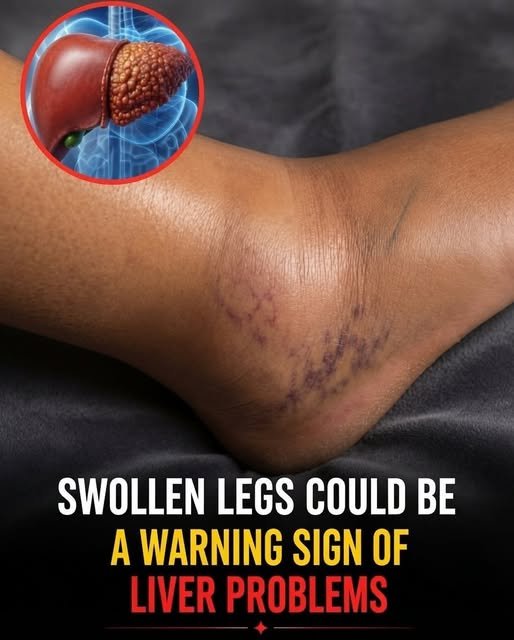
Have you ever noticed that your ankles, feet, or lower legs look puffier than usual, especially at the end of the day? Swollen legs are common and can sometimes happen after sitting or standing for a long time, eating a salty meal, traveling, or spending a lot of time in hot weather.
However, persistent or unexplained swelling shouldn’t always be ignored. Leg swelling, medically known as edema, occurs when excess fluid collects in the body’s tissues. Depending on the situation, it can be related to circulation problems, certain medications, an injury, infection, or conditions affecting the heart, kidneys, liver, or veins.
The important thing is not to assume that every swollen leg represents a serious disease. Instead, pay attention to when the swelling occurs, whether one or both legs are affected, how quickly it appeared, and whether other symptoms are present.
What Is Leg Swelling?
Leg swelling, or edema, is an accumulation of fluid in the tissues of the feet, ankles, or legs.
It can affect:
- The feet
- Ankles
- Lower legs
- Calves
- Sometimes the thighs
Swelling can occur in one leg or both legs. In some cases, the skin may appear stretched or shiny. Some types of edema are “pitting,” meaning that pressing the swollen area with a finger for several seconds leaves a temporary indentation.
The appearance of swelling alone usually isn’t enough to determine its cause.
1. Sitting or Standing for Too Long
One of the simplest explanations for swollen legs is staying in the same position for an extended period.
Long periods of sitting or standing can make fluid accumulate in the lower parts of the body because gravity affects circulation and fluid movement.
You may notice this after:
- Working at a desk all day
- Standing for many hours
- Long car journeys
- Long airplane flights
- Spending an entire day on your feet
This type of swelling may improve after moving around or elevating your legs.
2. Eating Too Much Salt
A high-sodium diet can contribute to fluid retention.
Salt is found in many processed and packaged foods, including:
- Instant noodles
- Chips
- Processed meats
- Fast food
- Packaged soups
- Salty sauces
- Processed snacks
If your legs occasionally become mildly swollen after a particularly salty meal, fluid retention may be one possible explanation.
Reducing excessive sodium intake can help some people manage fluid-related swelling, although persistent edema should still be evaluated rather than automatically blamed on salt.
3. Varicose Veins or Vein Problems
Your veins have to return blood from your legs back toward your heart. When the veins don’t move blood efficiently, fluid can accumulate in the lower legs.
Venous insufficiency can be associated with swollen ankles and legs, particularly after standing for long periods.
Other possible clues include:
- Varicose veins
- Aching or heaviness in the legs
- Swelling that becomes more noticeable later in the day
- Skin changes around the lower legs
A healthcare professional can assess whether a vein problem may be contributing to your swelling.
4. Certain Medications Can Cause Swelling
Sometimes swollen feet or ankles are related to medication rather than an underlying disease.
Medications associated with edema can include some:
- Blood pressure medicines
- Hormonal medicines
- Antidepressants
- Steroids
- Anti-inflammatory medicines
This doesn’t mean you should stop taking a prescribed medication if you notice swelling.
Instead, speak with your doctor or pharmacist. They can determine whether your medication could be contributing and whether an alternative or adjustment is appropriate.
5. An Injury Can Make One Leg Swell
An ankle sprain, muscle injury, or other trauma can cause localized swelling.
You may also experience:
- Pain
- Tenderness
- Bruising
- Difficulty walking
- Reduced movement
Swelling after an obvious injury is different from unexplained swelling. However, significant, rapidly increasing, or very painful swelling should be medically assessed.
6. Infection Can Cause Swelling
An infection affecting the skin or tissues of the leg can cause swelling along with other symptoms.
The area may become:
- Red
- Warm
- Painful
- Tender
You may also develop a fever or feel generally unwell.
Swelling accompanied by significant redness, warmth, pain, or fever deserves prompt medical attention.
7. Heart Problems Can Sometimes Cause Leg Swelling
Swelling in the legs can sometimes occur when the body has difficulty managing fluid because of a heart condition, including heart failure.
This doesn’t mean that swollen legs automatically indicate heart disease. There are many much less serious causes.
However, if swelling is persistent or accompanied by symptoms such as:
- Shortness of breath
- Unusual tiredness
- Difficulty breathing when lying down
- Rapid worsening of swelling
you should seek medical advice.
Heart-related fluid retention can cause swelling in the legs and other parts of the body.
8. Kidney Problems May Cause Fluid Buildup
Your kidneys help regulate fluid and electrolytes in the body. When kidney function is impaired, the body may have difficulty getting rid of excess fluid.
This can contribute to swelling in the legs, feet, ankles, or other parts of the body.
Persistent unexplained swelling should therefore be discussed with a healthcare professional, particularly if you already have kidney disease.
9. Liver Problems Can Also Be Associated With Swelling
Certain liver diseases can cause fluid to accumulate in the body.
Depending on the underlying condition, swelling may affect the legs or abdomen.
If you have known liver disease and notice new or worsening swelling, contact your healthcare provider rather than trying to treat the swelling yourself.
10. Pregnancy Can Cause Swollen Feet and Ankles
Swelling of the feet and ankles can occur during pregnancy, particularly later in pregnancy.
However, sudden or significant swelling during pregnancy shouldn’t automatically be dismissed as normal. More pronounced swelling can sometimes occur with pregnancy-related complications and deserves medical assessment.
When Is One Swollen Leg More Concerning?
Swelling affecting only one leg, particularly when it appears suddenly without an obvious explanation, deserves attention.
One possible cause is deep vein thrombosis (DVT), a blood clot in a deep vein.
Possible DVT symptoms include:
- Swelling in one leg
- Pain or tenderness
- Warmth
- Redness or discoloration
Importantly, some people with DVT have no obvious symptoms, so symptoms alone cannot confirm or rule out a blood clot.
If you develop unexplained swelling in one leg, particularly with pain, warmth, or redness, seek medical evaluation promptly.
When Leg Swelling Is an Emergency
Leg swelling becomes especially concerning when it occurs alongside symptoms that could indicate a blood clot has traveled to the lungs.
Seek emergency medical care immediately if swelling is accompanied by:
- Sudden shortness of breath
- Chest pain or pressure
- Difficulty breathing
- Coughing up blood
- Fainting or severe lightheadedness
- A very fast or irregular heartbeat
A pulmonary embolism can be life-threatening and requires immediate medical treatment.
Don’t wait to see whether these symptoms disappear on their own.
What Can You Do for Mild Swelling?
If the swelling is mild and you have no concerning symptoms, several simple measures may help.
Elevate Your Legs
When resting, place your legs on pillows so they are raised. Elevating the legs can help fluid move away from the lower extremities.
Move Regularly
Avoid remaining seated or standing in the same position for long periods.
Gentle walking and regular movement can help improve blood flow.
Watch Your Sodium Intake
If your diet contains a lot of salty processed foods, reducing excessive sodium may help with fluid retention.
Focus more often on fresh or minimally processed foods.
Wear Comfortable Clothing and Shoes
Very tight clothing, socks, or footwear can make swollen feet and legs more uncomfortable.
Choose comfortable shoes that allow enough room for your feet.
Stay Active
Regular physical activity can support circulation and overall cardiovascular health. Choose activities appropriate for your fitness level and medical condition.
Should You Use Compression Socks?
Compression stockings can be helpful for some types of leg swelling, particularly certain vein-related conditions.
However, they aren’t appropriate for everyone.
If you have unexplained swelling, circulation problems, diabetes, significant pain, or another medical condition, ask a healthcare professional whether compression stockings are suitable for you.
Don’t assume that stronger compression is always better.
Don’t Take Water Pills on Your Own
You may hear that “water pills” or diuretics can quickly get rid of swollen legs.
Diuretics can be appropriate for certain medical conditions, but they aren’t a universal treatment for edema. They can also affect fluid balance and electrolytes.
If swelling keeps returning, the important step is identifying the underlying cause rather than simply trying to remove the fluid.
How Doctors Evaluate Swollen Legs
When you see a healthcare professional about unexplained swelling, they may ask:
- When did the swelling begin?
- Is one leg swollen or both?
- Does it get worse during the day?
- Does elevation improve it?
- Have you recently traveled?
- Have you been sitting or standing for long periods?
- Have you had an injury?
- Are you taking any medications?
- Do you have heart, kidney, liver, or vein problems?
- Are there other symptoms such as pain, redness, fever, or shortness of breath?
Depending on the situation, testing may include blood tests, urine testing, an ECG, imaging, or an ultrasound of the leg veins.
A Simple Way to Think About Leg Swelling
When you notice swollen legs, ask yourself four questions:
1. Is it one leg or both?
One-sided unexplained swelling deserves particular attention.
2. Did it happen suddenly?
Sudden or rapidly worsening swelling should be assessed.
3. Is there pain, redness, or warmth?
These symptoms can indicate inflammation, infection, or a blood clot.
4. Do I have breathing or chest symptoms?
Breathing difficulty or chest pain alongside leg swelling is an emergency.
These questions don’t diagnose the cause, but they can help you recognize when professional medical attention is appropriate.
When Should You See a Doctor?
Make an appointment if:
- Swelling has no obvious explanation
- It keeps coming back
- It doesn’t improve after a few days
- It is getting progressively worse
- You have swelling in one leg without an obvious cause
- The area is painful, red, or warm
- You have an underlying heart, kidney, liver, or vein condition
- Swelling is accompanied by other unexplained symptoms
Persistent edema deserves attention because treating the underlying cause is more important than simply reducing the visible swelling.
Final Thoughts
Swollen legs can be caused by something as simple as sitting for too long, standing all day, eating excessive amounts of salty food, or spending time in hot weather. But persistent or unexplained swelling can also be associated with vein problems, certain medications, infections, or conditions affecting the heart, kidneys, or liver.
The most important thing is to look at the whole picture rather than assuming that swollen legs automatically point to one particular illness.
If swelling is sudden, affects only one leg, or is accompanied by pain, warmth, redness, chest pain, or difficulty breathing, don’t ignore it. Seek appropriate medical care promptly.
Important: This article is for general educational purposes and does not replace a medical examination or professional diagnosis.
SEO Details
SEO Title: Swollen Legs: What It Could Mean and When to Seek Help
Meta Description: Learn what swollen legs may mean, common causes of leg edema, warning signs of blood clots, and when leg swelling requires medical attention.
Focus Keyword: swollen legs
Slug: swollen-legs-causes-and-warning-signs
Category: Health & Wellness
Tags: swollen legs, leg swelling, edema, swollen feet, swollen ankles, fluid retention, blood clot symptoms, DVT symptoms, circulation, healthy legs