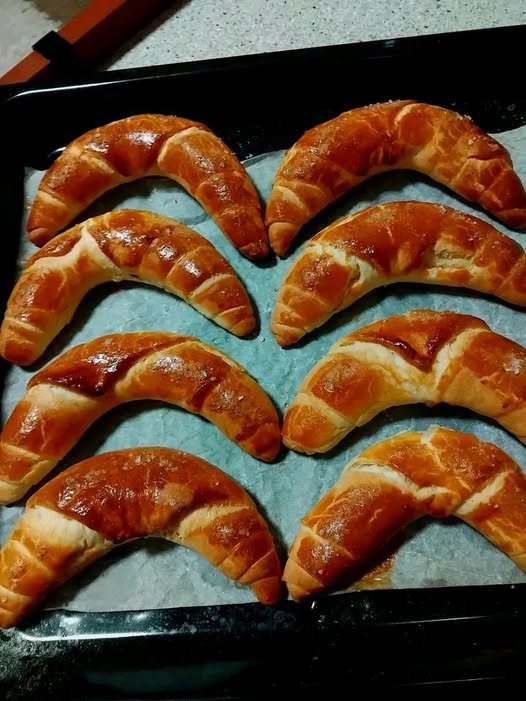
Hungarian Crescent Rolls are a delightful homemade bread that combines a soft, tender interior with a beautifully golden exterior. Shaped into elegant crescents and brushed with butter, these rolls are perfect for breakfast, afternoon tea, holiday gatherings, or serving alongside a comforting bowl of soup. Their delicate texture and rich, buttery flavor make them a wonderful addition to any bread basket.
Unlike ordinary dinner rolls, crescent rolls have a distinctive curved shape that gives them an attractive bakery-style appearance. The dough is made with simple pantry ingredients, including flour, yeast, milk, butter, and a touch of sugar. Once baked, the rolls develop a light, fluffy crumb and a slightly crisp outer layer.
This homemade version is designed to be approachable for beginners while delivering delicious results. Follow the steps below to prepare Hungarian Crescent Rolls that look beautiful, taste wonderful, and fill your kitchen with the irresistible aroma of freshly baked bread.
Why You’ll Love These Hungarian Crescent Rolls
- Soft and fluffy: Properly kneaded dough creates a light, tender interior.
- Rich buttery flavor: Butter adds a delicious aroma and satisfying taste.
- Beautiful crescent shape: The classic rolled shape makes these rolls ideal for special occasions.
- Simple ingredients: Most ingredients are everyday kitchen staples.
- Versatile serving options: Enjoy them plain, with jam, alongside soup, or as part of a savory meal.
- Make-ahead friendly: Prepare the dough ahead of time and bake the rolls when needed.
Recipe Information
- Preparation time: 25 minutes
- Rising time: 1 hour 15 minutes to 1 hour 45 minutes
- Cooking time: 15–20 minutes
- Total time: Approximately 2 hours
- Servings: 12 crescent rolls
- Difficulty: Moderate
- Cooking method: Oven baking
Ingredients for Hungarian Crescent Rolls
For the Dough
- 3 cups all-purpose flour, plus extra if needed
- 2¼ teaspoons active dry yeast, or one standard 7-gram packet
- ¾ cup warm milk
- ¼ cup unsalted butter, melted and slightly cooled
- 2 tablespoons granulated sugar
- 1 large egg
- 1 teaspoon salt
For the Topping
- 2 tablespoons melted butter
- 1 tablespoon milk or one beaten egg, optional, for brushing
- A small pinch of coarse salt or sesame seeds, optional
Ingredient notes: The milk should be warm rather than hot. Very hot liquid can damage the yeast. Use room-temperature egg and measure the flour carefully to avoid making the dough too dry.
How to Make Hungarian Crescent Rolls
Step 1: Activate the Yeast
Pour the warm milk into a small bowl. Stir in the sugar and active dry yeast, then leave the mixture for approximately 5–10 minutes.
The mixture should become foamy or show visible bubbles. This indicates that the yeast is active.
If the mixture remains completely flat and the yeast is old, check its freshness before continuing. Instant yeast can also be used, although it does not always need to be activated separately.
Step 2: Prepare the Dough
In a large mixing bowl, combine the flour and salt. In a separate bowl, whisk together the egg, melted butter, and activated yeast mixture.
Pour the wet ingredients into the flour. Stir with a wooden spoon or spatula until a rough dough forms.
The dough should be soft and slightly tacky. If it is extremely sticky, add a little flour at a time, but avoid adding too much because excess flour can make the finished rolls dense.
Step 3: Knead Until Smooth
Transfer the dough to a lightly floured work surface. Knead for approximately 8–10 minutes by hand, or 5–7 minutes in a stand mixer fitted with a dough hook.
As you knead, the dough should become smoother, more elastic, and easier to handle.
To check whether it is ready, gently stretch a small piece of dough. It should stretch somewhat before tearing. It does not need to become perfectly transparent.
Step 4: Let the Dough Rise
Place the dough in a lightly greased bowl and turn it once to coat the surface. Cover with a clean kitchen towel or plastic wrap.
Leave it in a warm, draft-free place for approximately 60–90 minutes, or until it has doubled in size.
Rising time depends on room temperature. In a cooler kitchen, the dough may need longer.
Step 5: Divide and Shape the Crescents
Gently press the dough to release some of the trapped air. Transfer it to a lightly floured surface and divide it into two equal portions.
Roll each portion into a circle approximately 10–12 inches in diameter. Use a sharp knife or pizza cutter to divide each circle into six triangular wedges, similar to cutting a pizza.
Starting at the wide end of each triangle, roll the dough toward the pointed tip. Keep the roll reasonably snug without squeezing the dough too tightly.
Bend the ends slightly inward to create the classic crescent shape.
Repeat with the remaining dough to make 12 rolls.
Step 6: Arrange and Proof
Place the shaped rolls on a baking sheet lined with parchment paper, leaving space between them for expansion.
Cover loosely and let them rise for another 20–30 minutes, or until they look noticeably puffy.
Meanwhile, preheat the oven to 375°F (190°C).
For a shiny, golden finish, gently brush the rolls with milk or beaten egg. If you prefer a softer, more rustic crust, you can simply brush them with melted butter after baking.
Step 7: Bake Until Golden
Place the baking sheet in the preheated oven and bake for 15–20 minutes.
The rolls should turn golden brown on top and feel light when lifted carefully. Baking time may vary depending on the oven and the size of the rolls.
If the tops brown too quickly before the rolls are fully baked, loosely cover them with foil for the remaining baking time.
Step 8: Brush with Butter and Serve
Remove the rolls from the oven and immediately brush the tops with melted butter.
For a savory finish, sprinkle a little coarse salt or sesame seeds over the top before baking. Let the rolls cool on the baking sheet for a few minutes, then transfer them to a wire rack.
Serve warm for the best texture and flavor.
Tips for Perfect Hungarian Crescent Rolls
Measure the Flour Carefully
Too much flour can result in dry, heavy rolls. Spoon flour into the measuring cup and level it off rather than packing it down. If you have a kitchen scale, weighing the flour provides more consistent results.
Use the Right Milk Temperature
Warm milk helps activate yeast, but hot milk can prevent the dough from rising properly. Aim for a comfortably warm temperature of approximately 100–110°F (38–43°C) when using active dry yeast.
Do Not Rush the Rising Process
The dough needs enough time to develop its structure and flavor. Instead of relying only on the clock, look for dough that has doubled during the first rise and become puffy during the second.
Avoid Overfilling the Rolls
If you add cheese, herbs, or another filling, use a modest amount. Too much filling can cause the dough to open during baking.
Roll the Crescents Evenly
Try to make the triangular wedges similar in size. Consistent shapes help the rolls bake evenly and give the finished batch a professional appearance.
Brush with Butter After Baking
Brushing the warm rolls with butter adds flavor and helps keep the crust tender. For a deeper golden color, use an egg wash before baking and butter afterward.
Delicious Variations
Garlic Butter Crescent Rolls
Mix melted butter with finely minced garlic and a little chopped parsley. Brush the mixture over the warm rolls immediately after baking for a flavorful side dish.
Cheese-Filled Crescent Rolls
Place a small piece of cheddar, mozzarella, or another melting cheese near the wide end of each dough triangle before rolling. Seal the edges gently to help prevent the cheese from leaking out.
Herb and Cheese Rolls
Add a little dried oregano, thyme, or parsley to the dough. You can also sprinkle grated cheese over the rolls before baking.
Sesame Crescent Rolls
Brush the shaped rolls with beaten egg or milk and sprinkle sesame seeds on top. This variation pairs particularly well with soups, salads, and savory breakfast dishes.
Sweet Crescent Rolls
For a sweeter version, increase the sugar slightly and add a small amount of vanilla extract or lemon zest. After baking, dust the cooled rolls lightly with powdered sugar or serve them with fruit preserves.
Whole-Wheat Crescent Rolls
Replace up to one-third of the all-purpose flour with whole-wheat flour. You may need a little extra milk because whole-wheat flour absorbs more liquid. The rolls will have a slightly denser texture and a nuttier flavor.
What to Serve with Hungarian Crescent Rolls
Hungarian Crescent Rolls are versatile enough to accompany breakfast, lunch, dinner, or afternoon tea.
- Breakfast: Serve with scrambled eggs, omelets, butter, honey, or fruit jam.
- Soups: Pair with tomato soup, mushroom soup, chicken soup, or vegetable soup.
- Main dishes: Enjoy alongside roasted chicken, grilled meat, baked fish, or vegetable casseroles.
- Salads: Serve with a fresh garden salad or creamy coleslaw.
- Tea time: Offer warm rolls with tea or coffee and a selection of sweet and savory spreads.
- Sandwiches: Slice larger rolls horizontally and fill them with cheese, chicken, eggs, or fresh vegetables.
For a simple presentation, arrange the warm crescents in a lined bread basket and serve the butter separately.
How to Store Hungarian Crescent Rolls
At Room Temperature
Allow the rolls to cool completely. Store them in an airtight container or sealed food bag at room temperature for up to 2–3 days. Keep them away from direct sunlight and heat.
In the Refrigerator
Refrigeration is generally unnecessary for plain bread rolls and can make them stale more quickly. If the rolls contain perishable fillings, refrigerate them promptly and follow appropriate food-safety guidance.
In the Freezer
For longer storage, freeze completely cooled rolls in a freezer-safe bag or airtight container for up to 2 months for best quality. Remove as much excess air as possible before sealing.
Thaw at room temperature or reheat directly from frozen until warmed through.
How to Reheat Crescent Rolls
For a freshly baked texture, preheat the oven to 300°F (150°C). Place the rolls on a baking tray and warm them for approximately 5–8 minutes.
If the rolls seem dry, lightly brush them with butter before reheating.
For a quicker option, microwave an individual roll for about 10–15 seconds. Microwaving for too long can make bread chewy, so use short intervals.
Frequently Asked Questions
Are Hungarian Crescent Rolls sweet or savory?
Traditional crescent-style rolls can be prepared in different ways. This recipe creates a mildly rich, lightly sweet dough that works well with both savory meals and sweet spreads.
Can I make the dough ahead of time?
Yes. Prepare the dough, place it in a covered bowl, and refrigerate it overnight. The next day, let it warm slightly if necessary, shape the crescents, and allow them to become puffy before baking. Cold dough may need additional proofing time.
Why did my crescent rolls turn out dense?
Dense rolls can result from too much flour, inactive yeast, insufficient kneading, or inadequate rising time. Measure ingredients carefully and allow the dough to become noticeably puffy before baking.
Why did my rolls lose their crescent shape?
The dough may have been rolled too loosely, the tips may not have been tucked underneath, or the rolls may have been overproofed. Roll each triangle evenly and place the pointed end underneath the finished crescent.
Can I use instant yeast?
Yes. Use the same general quantity of instant yeast and mix it directly with the flour. Add the warm milk and remaining wet ingredients, then knead as directed. Rising times may differ slightly.
Can I make these rolls without eggs?
Yes. Omit the egg and add approximately 2–3 tablespoons of extra milk as needed to achieve a soft dough. The texture will be slightly different. Use milk or melted butter for brushing instead of egg wash.
Can I prepare these rolls without a stand mixer?
Absolutely. A large bowl, wooden spoon, and clean work surface are all you need. Knead by hand until the dough is smooth and elastic.
How can I make the crust softer?
Brush the rolls with melted butter as soon as they come out of the oven. Allow them to cool under a clean kitchen towel for a short time if you prefer a softer crust.
Approximate Nutrition Information
The following values are estimates for one roll when the recipe makes 12 rolls. Actual nutrition will vary according to the ingredients, measurements, and amount of butter used.
- Calories: 155–180
- Protein: 4–5 g
- Carbohydrates: 23–27 g
- Fat: 5–7 g
- Saturated fat: 2–3 g
- Sugar: 2–3 g
- Fiber: Approximately 1 g
- Sodium: 180–240 mg
These rolls contain wheat and, as written, milk, egg, and butter. Adjust the ingredients to accommodate dietary needs.
Final Thoughts
Hungarian Crescent Rolls are a wonderful way to bring homemade bakery-style bread to your table. Their soft centers, buttery flavor, and attractive crescent shapes make them suitable for everyday meals as well as special gatherings.
The key to a successful batch is simple: make a soft dough, knead it thoroughly, allow it enough time to rise, and bake until the rolls are beautifully golden. Once you master the basic recipe, experiment with garlic butter, cheese, herbs, or sweet fillings to create your own favorite variation.
Serve them warm from the oven with butter, jam, soup, or your favorite main dish, and enjoy the comforting taste of freshly baked bread.
SEO Details
SEO Title: Hungarian Crescent Rolls Recipe – Soft, Buttery Homemade Rolls
Focus Keyphrase: Hungarian Crescent Rolls
URL Slug: hungarian-crescent-rolls
Meta Description: Make soft, buttery Hungarian Crescent Rolls at home with simple ingredients, easy step-by-step instructions, helpful baking tips, and delicious variations.
Suggested Tags: Hungarian Crescent Rolls, Homemade Bread Rolls, Crescent Roll Recipe, Buttery Bread Rolls, Easy Baking Recipes, Dinner Rolls, Homemade Yeast Bread