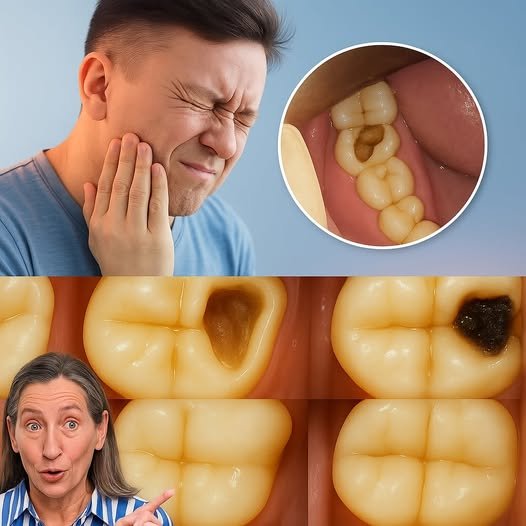
The idea of “naturally repairing a cavity” is popular online, but there is an important distinction: very early tooth decay can sometimes be stopped or remineralized, while an established cavity cannot be naturally rebuilt once a hole has formed. A dentist may need to remove the damaged portion and restore the tooth.
The good news is that several everyday habits can help protect enamel and reduce the risk of decay getting worse.
1. Brush Twice a Day With Fluoride Toothpaste
Brush your teeth for about two minutes, twice a day, using fluoride toothpaste.
Fluoride helps strengthen enamel and supports remineralization of areas that have lost minerals during the early stages of tooth decay.
After brushing, spit out the toothpaste rather than immediately rinsing with lots of water.
2. Clean Between Your Teeth
A toothbrush can’t effectively clean every surface between your teeth.
Use dental floss or an interdental brush once a day to remove plaque and food particles from these areas.
3. Reduce Frequent Sugar Exposure
It’s not only the amount of sugar you consume that matters—the frequency matters too.
Constantly sipping sweet drinks or snacking on sugary foods gives mouth bacteria repeated opportunities to produce acids that attack tooth enamel.
Try to keep sugary foods and drinks to mealtimes rather than consuming them throughout the day.
4. Drink Water After Eating
Water can help wash away food particles and dilute acids in the mouth.
If fluoridated tap water is available where you live, it can also provide a small ongoing source of fluoride.
5. Don’t Use Lemon or Vinegar to “Dissolve” Decay
Some viral remedies recommend applying lemon juice, vinegar, or other acidic substances to teeth.
This can actually damage enamel further because acids can erode the tooth surface.
Natural doesn’t always mean tooth-friendly.
6. Be Careful With DIY Whitening Remedies
Baking soda, charcoal, and abrasive homemade mixtures are sometimes promoted as ways to clean or whiten teeth.
Using abrasive substances too aggressively can wear away enamel. A cavity also cannot be scrubbed away.
7. Eat a Balanced Diet
Calcium- and phosphorus-containing foods can contribute to normal tooth and bone health.
Good choices include:
- Milk and yogurt
- Cheese
- Eggs
- Fish
- Beans
- Leafy vegetables
- Nuts and seeds
A balanced diet is much more useful than relying on a single “cavity-healing” ingredient.
8. Consider Fluoride Treatment When Recommended
For people at higher risk of tooth decay, a dentist may recommend additional fluoride treatment, such as a prescription-strength toothpaste or professionally applied fluoride.
This is particularly useful when early enamel damage is present.
Can a Cavity Heal Naturally?
It depends on what you mean by a cavity.
Early enamel demineralization: The process can sometimes be stopped or reversed through saliva and remineralization, particularly with good oral hygiene and fluoride.
A visible hole in the tooth: Once the tooth has developed an actual cavity, home remedies cannot rebuild the missing tooth structure. Dental treatment may be necessary.
Signs You Should See a Dentist
Don’t wait for severe pain before seeking care. Make an appointment if you notice:
- A visible hole or dark spot in a tooth
- Persistent tooth sensitivity
- Toothache
- Pain when biting
- Food repeatedly getting trapped in one area
- Swelling around a tooth
- A broken or chipped area
- Bad taste or drainage around a tooth
Facial swelling, fever, difficulty swallowing, or difficulty breathing can indicate a serious dental infection and requires urgent medical attention.
Final Thoughts
There isn’t a proven home remedy that can rebuild an established cavity. However, you can do a great deal to prevent early enamel damage from progressing: brush twice daily with fluoride toothpaste, clean between your teeth, reduce frequent sugar exposure, drink water, and maintain regular dental checkups.
The goal isn’t simply to avoid visiting the dentist—it is to catch tooth decay early enough that treatment is as simple as possible.