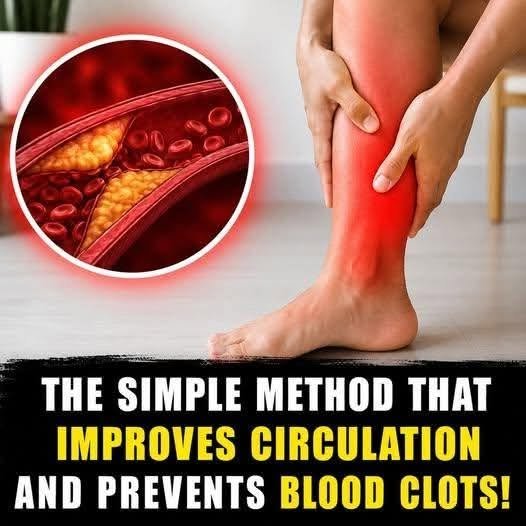
Good blood circulation is essential for delivering oxygen and nutrients throughout the body while carrying away metabolic waste. Your heart, blood vessels, lungs, and muscles all work together to keep blood moving efficiently.
If your hands and feet often feel cold, your legs feel heavy after sitting, or you spend much of the day inactive, improving your daily habits may help support healthy circulation.
However, persistent circulation problems should not simply be treated with home remedies. Poor circulation can sometimes be related to conditions such as peripheral artery disease, diabetes, high blood pressure, anemia, or other cardiovascular problems.
Here are practical, natural ways to support healthy blood flow.
1. Move More Throughout the Day
One of the simplest ways to support circulation is regular physical activity.
Walking, cycling, swimming, and other moderate activities encourage your muscles to contract, which helps move blood through the body.
You don’t necessarily need an intense workout. A brisk walk for 20–30 minutes can be a useful starting point for many people.
If you sit for long periods, get up periodically, stretch your legs, or walk around for a few minutes.
2. Exercise Your Legs
The muscles in your legs play an important role in helping blood return toward the heart.
Simple exercises such as:
- Walking
- Calf raises
- Ankle circles
- Gentle leg stretches
- Stationary cycling
can help keep your legs active.
If you have a medical condition or significant leg pain, ask a healthcare professional which exercises are appropriate for you.
3. Maintain a Healthy Weight
Carrying excess body weight can increase the strain on the cardiovascular system and is associated with conditions that can affect circulation.
Rather than following extreme diets, focus on sustainable habits such as eating more vegetables, fruits, whole grains, beans, nuts, and lean protein while limiting highly processed foods.
Even gradual improvements in diet and activity can contribute to better overall cardiovascular health.
4. Don’t Smoke
Smoking damages blood vessels and is a major risk factor for cardiovascular disease and peripheral artery disease.
If you smoke, quitting is one of the most valuable things you can do for your heart and blood vessels.
Avoiding secondhand smoke is also beneficial.
5. Eat for Cardiovascular Health
There is no single food that can instantly “clean” your arteries or dramatically increase circulation.
Instead, build an overall heart-healthy eating pattern.
Good choices include:
- Leafy green vegetables
- Berries and other fruits
- Beans and lentils
- Whole grains
- Nuts and seeds
- Fish
- Olive oil
- Vegetables of different colors
Foods rich in fiber and unsaturated fats can be particularly useful as part of an overall heart-healthy diet.
At the same time, try to limit excessive sodium, added sugars, highly processed foods, and foods high in saturated and trans fats.
6. Stay Hydrated
Water is important for normal blood volume and overall body function.
Drink fluids regularly throughout the day, particularly in hot weather or when you’re physically active.
Your individual fluid needs vary depending on your body size, activity level, climate, diet, and medical conditions.
People with certain heart or kidney conditions may have specific fluid restrictions, so they should follow their healthcare professional’s advice.
7. Manage Blood Pressure
High blood pressure can damage blood vessels over time and increases the risk of cardiovascular disease.
Regular blood pressure checks can help identify a problem that may otherwise have no obvious symptoms.
If you’ve been prescribed blood-pressure medication, don’t stop taking it because you are making lifestyle changes. Healthy habits and prescribed treatment often work together.
8. Keep Blood Sugar Under Control
Persistently high blood sugar can damage blood vessels and nerves and can contribute to circulation problems, particularly in people with diabetes.
If you have diabetes or prediabetes, following your treatment plan, staying physically active, and maintaining a balanced diet can help protect your blood vessels.
9. Take Breaks From Prolonged Sitting
Long periods of inactivity aren’t ideal for circulation.
If you work at a desk, travel for long periods, or spend much of the day sitting, try to regularly stand up and move around.
Even short movement breaks can be a practical way to avoid remaining stationary for hours at a time.
10. Get Enough Sleep
Sleep is an important part of cardiovascular health.
Most adults should aim for approximately 7–9 hours of sleep per night.
Keeping a consistent sleep schedule, limiting excessive caffeine late in the day, and creating a comfortable sleep environment can make it easier to get adequate rest.
11. Manage Stress
Chronic stress can negatively affect several aspects of cardiovascular health.
Simple activities such as walking, breathing exercises, stretching, spending time outdoors, or practicing relaxation techniques may help you manage everyday stress.
Stress management isn’t a substitute for medical treatment, but it can be an important part of a healthy lifestyle.
12. Be Careful With “Natural” Circulation Supplements
Products marketed as natural blood thinners or circulation boosters aren’t automatically safe.
Some supplements can interact with prescription medications or increase bleeding risk. Others may have little evidence supporting the claims made about them.
Don’t start a supplement specifically for circulation without checking with a healthcare professional, particularly if you take blood thinners, blood-pressure medication, diabetes medication, or other long-term medicines.
Signs That Shouldn’t Be Ignored
Occasional cold hands or feet aren’t necessarily a sign of poor circulation. But persistent or worsening symptoms deserve attention.
See a healthcare professional if you experience:
- Persistent pain or cramping in your legs when walking
- One foot consistently colder than the other
- Numbness or weakness in a limb
- Slow-healing wounds on the feet or legs
- Changes in skin color
- Recurrent swelling
- Persistent pain at rest
Sudden severe weakness, numbness, chest pain, difficulty breathing, or a suddenly cold, pale, or painful limb can be an emergency and requires immediate medical attention.
The Bottom Line
Improving circulation naturally isn’t about one miracle food, drink, or supplement. The most reliable approach is to move regularly, avoid smoking, eat a heart-healthy diet, maintain a healthy weight, manage blood pressure and blood sugar, stay appropriately hydrated, sleep well, and avoid prolonged inactivity.
If you already have symptoms of poor circulation, lifestyle changes can be helpful, but they shouldn’t replace medical evaluation. Finding the underlying cause is the most important step toward choosing the right treatment.