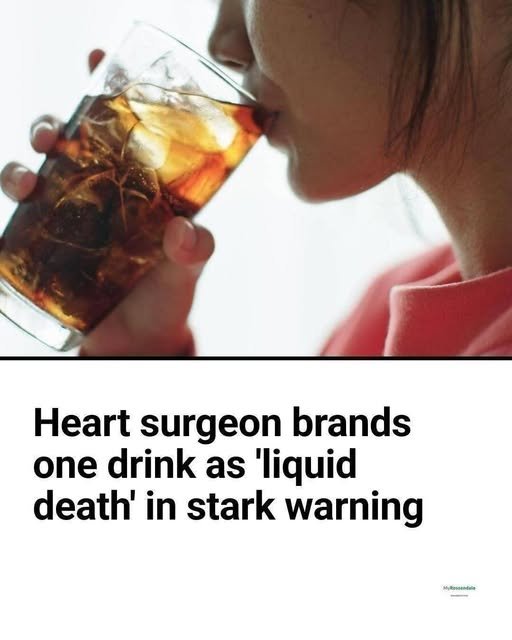
A heart surgeon specializing in general, vascular, and thoracic surgery has highlighted an important issue that is easy to overlook: some drinks can contribute to cardiovascular risk when consumed regularly or in large amounts.
The concern isn’t that one particular beverage will suddenly cause a heart attack. Rather, certain drinks can contribute to high blood pressure, excess calorie intake, weight gain, high blood sugar, or unhealthy cholesterol levels over time. These factors can increase the risk of cardiovascular disease.
1. Sugary Soft Drinks
Regular soda and other sugar-sweetened beverages can contain substantial amounts of added sugar.
Drinking them frequently can make it easier to consume more calories than your body needs and may contribute to weight gain and metabolic problems.
Instead of making sugary drinks an everyday habit, choose water, unsweetened sparkling water, or unsweetened tea more often.
2. Energy Drinks
Energy drinks deserve particular caution because some contain high amounts of caffeine and added sugar.
Large amounts of caffeine can temporarily increase heart rate and blood pressure in some people. Energy drinks may be particularly unsuitable for people who already have certain cardiovascular conditions or are sensitive to caffeine.
Avoid consuming excessive amounts, and don’t assume that a beverage marketed as an “energy” product is automatically safe for everyone.
3. Excessive Alcohol
Alcohol is not a heart-health drink.
Regular heavy alcohol consumption can contribute to high blood pressure and other cardiovascular problems, and excessive intake is associated with several serious health risks.
If you drink alcohol, moderation matters, and people who don’t drink do not need to start drinking for supposed heart benefits.
4. Sweetened Coffee Drinks
Coffee itself can fit into a healthy diet for many people, but some specialty coffee beverages can contain large amounts of added sugar, cream, and calories.
A large sweetened coffee can sometimes resemble a dessert more than a simple beverage.
Choosing unsweetened coffee or reducing syrups and added sugar can make a significant difference if these drinks are part of your daily routine.
5. Sweetened Tea and Juice Drinks
Sweetened iced teas, fruit drinks, and other sugary beverages can also contribute considerable amounts of added sugar.
Even beverages that sound healthy aren’t necessarily low in sugar. Check the nutrition label rather than relying only on the product’s name or marketing.
Whole fruit is generally more filling than fruit juice because it retains its fiber.
What Should You Drink Instead?
For everyday hydration, water is one of the simplest choices.
Other options can include:
- Unsweetened tea
- Plain or sparkling water
- Coffee without excessive added sugar
- Water flavored with fresh fruit
- Low-sugar beverages
The goal isn’t to become afraid of every drink that isn’t water. It’s to make healthier beverages the routine choice and keep highly sugary or heavily caffeinated drinks occasional.
Your Overall Diet Matters More Than One Drink
It’s important not to turn a warning about cardiovascular health into the idea that a single beverage is responsible for heart disease.
Heart health is influenced by many factors, including:
- Blood pressure
- Cholesterol
- Blood sugar
- Smoking
- Physical activity
- Body weight
- Diet
- Sleep
- Family history
- Age and other medical factors
A healthy lifestyle works as a pattern over time.
When to Take Heart Symptoms Seriously
Drink choices are a long-term prevention issue, but certain symptoms require immediate attention.
Seek emergency medical help for symptoms such as pressure or pain in the chest, severe shortness of breath, sudden weakness, fainting, or pain that spreads to the arm, shoulder, back, neck, or jaw.
Don’t wait for a drink, supplement, or home remedy to make these symptoms disappear.
The Bottom Line
The strongest takeaway from cardiovascular warnings about beverages is simple: what you drink regularly can affect your long-term heart health.
You don’t need to eliminate every enjoyable beverage. Instead, make water and other unsweetened drinks your everyday choices, limit sugar-heavy beverages, be cautious with highly caffeinated energy drinks, and avoid excessive alcohol.
Most importantly, if you already have high blood pressure, diabetes, high cholesterol, or a diagnosed heart condition, discuss your diet and beverage choices with your healthcare professional rather than relying on viral health claims.