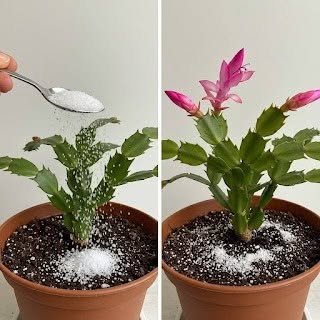
As summer fades and cooler days arrive, many houseplants begin to slow down. Flowers may become less frequent, leaves can lose some of their vibrancy, and plants that looked full and lively a few months ago may suddenly seem tired.
But autumn doesn’t have to mean the end of beautiful indoor blooms. With a few simple changes to your care routine—and one surprisingly useful little trick—you can help your house flowers stay healthy and encourage fresh growth.
Why House Flowers Change in Fall
Plants respond to changes in light, temperature, humidity, and watering. As the days become shorter, indoor plants receive fewer hours of bright light. Cooler temperatures can also slow their growth and change how quickly the soil dries.
That means the watering schedule that worked perfectly during summer may be too frequent in autumn.
The first step to helping your plants is simply to pay attention to these seasonal changes.
The Little Secret: Don’t Overlook the Soil
One of the most useful fall plant-care tricks isn’t a mysterious homemade fertilizer. It’s checking the condition of the soil before watering.
Many indoor plants struggle in autumn because their owners continue watering on the same schedule they used during hot weather.
Instead, check the top layer of soil with your finger. If the surface feels dry and the plant’s care requirements allow the soil to dry between waterings, it’s generally time to water.
If the soil is still damp, wait.
Overwatering can contribute to yellowing leaves, root problems, and fungal issues, particularly when cooler temperatures slow evaporation.
Give Your Flowers Better Light
Shorter autumn days mean less natural sunlight.
Move flowering houseplants closer to a bright window if their particular variety tolerates direct or indirect sunlight. However, avoid suddenly placing a plant that has been growing in low light directly into intense sunlight, as this can cause leaf scorch.
Rotate the pot occasionally so all sides of the plant receive reasonably even light.
If your home doesn’t receive enough natural light, a suitable grow light can help provide supplemental illumination.
Clean the Leaves
Dust can accumulate on broad indoor leaves and reduce the amount of light reaching the leaf surface.
Gently wipe large, sturdy leaves with a clean, damp cloth. For smaller or delicate leaves, a gentle shower or careful cleaning may be more appropriate depending on the plant.
Avoid using commercial leaf-shine products unless they’re specifically recommended for your plant. They aren’t necessary for healthy growth and may interfere with the leaf surface.
A Simple Homemade Boost
If you’re looking for a “secret” homemade treatment, keep it simple and safe.
Rather than pouring kitchen scraps, sugary drinks, milk, or concentrated mixtures into your plant’s soil, focus on proper watering and appropriate fertilizer.
During periods of active growth, a balanced, water-soluble houseplant fertilizer used according to the product instructions can provide nutrients plants actually need.
More fertilizer isn’t better. Excess fertilizer can accumulate in the soil and damage roots.
Don’t Forget Humidity
Indoor heating can make the air noticeably drier during the cooler months.
Some tropical houseplants may appreciate additional humidity. A humidifier is one of the most reliable ways to increase humidity around a group of plants.
Grouping plants together can also create a slightly more humid microenvironment.
However, avoid keeping foliage constantly wet or placing plants where there is poor air circulation, as excessive moisture can encourage fungal problems.
Remove Damaged Leaves and Flowers
Autumn is also a good time to give your plants a gentle cleanup.
Remove:
- Completely dead leaves
- Yellow or severely damaged foliage
- Spent flowers
- Broken stems
Use clean, sharp scissors or pruning shears when necessary.
Don’t remove healthy green leaves simply because they’re older. Plants use healthy foliage to produce energy through photosynthesis.
Check for Pests
Before bringing plants closer together indoors for the cooler season, inspect them carefully.
Look underneath leaves and around stems for signs of:
- Spider mites
- Aphids
- Mealybugs
- Scale insects
- Sticky residue
- Fine webbing
- Unusual spots or discoloration
Catching a pest problem early is much easier than dealing with a major infestation later.
Be Careful With Watering
One of the biggest mistakes in autumn plant care is assuming that every houseplant needs the same watering schedule.
A cactus, orchid, tropical plant, and flowering annual can have completely different moisture requirements.
Instead of following a fixed calendar, consider:
- The plant species
- Pot size
- Type of soil
- Amount of sunlight
- Indoor temperature
- Humidity
- How quickly the soil dries
Always check the specific needs of your plant.
Give Your House Flowers a Fresh Start
If a plant has become root-bound, stopped growing, or has soil that has deteriorated over time, autumn may be a good opportunity to evaluate whether repotting is necessary.
However, don’t automatically repot every plant simply because the season has changed.
If repotting is needed, choose a container only slightly larger than the current one and use a potting mix appropriate for that particular plant.
Make sure the container has adequate drainage.
The Real Secret to Beautiful Autumn Houseplants
There isn’t one magic ingredient that can instantly revive every houseplant.
The real secret is consistent, plant-specific care.
Give your flowers the right amount of light, water only when appropriate, maintain reasonable humidity, remove damaged growth, watch for pests, and provide fertilizer only when the plant actually benefits from it.
Small improvements in care can make a surprisingly noticeable difference.
Final Thoughts
Fall doesn’t have to mean saying goodbye to beautiful indoor flowers. As the seasons change, your plants simply need their care routine adjusted to match their new environment.
Instead of relying on miracle mixtures or excessive fertilizer, focus on the basics: light, appropriate watering, healthy soil, good drainage, humidity, and regular observation.
With a little attention, many houseplants can remain healthy and attractive throughout autumn and continue bringing color and life into your home.