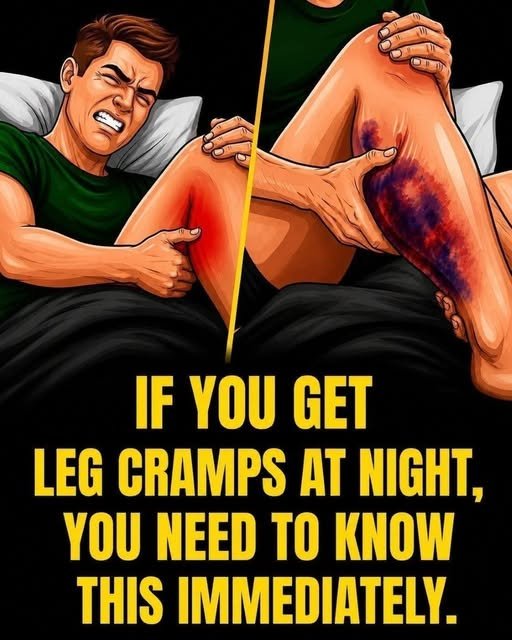
Waking up suddenly with a painful tightening in your calf or foot can be surprisingly intense. A nighttime leg cramp may last only a few seconds or continue for several minutes, leaving the affected muscle sore afterward.
Most nighttime leg cramps are not dangerous and can happen without a serious underlying condition. However, frequent, severe, or unusual cramps deserve attention because medications, dehydration, nerve problems, circulation issues, and other health conditions can sometimes contribute.
Understanding the possible causes can help you decide when simple self-care is enough and when it’s worth speaking with a healthcare professional.
What Is a Nighttime Leg Cramp?
A leg cramp is a sudden, involuntary contraction of a muscle.
Nighttime cramps most commonly affect the calf, but they can also occur in the feet, thighs, or other leg muscles.
During a cramp, the muscle may feel:
- Extremely tight
- Hard or knotted
- Painful
- Difficult to move
- Sore for a while afterward
They commonly occur while you’re resting or sleeping.
Common Reasons Leg Cramps Happen at Night
There isn’t always one obvious cause. Several factors can contribute.
1. Muscle Fatigue or Overuse
Unusually strenuous exercise, prolonged standing, walking, or physical work can leave muscles fatigued.
This may increase the likelihood of cramping later, including during sleep.
2. Dehydration
Not drinking enough fluids can contribute to muscle cramps in some people, particularly when fluid losses are significant because of heat, sweating, vomiting, or diarrhea.
However, simply taking large amounts of water or electrolyte supplements isn’t a guaranteed solution for ordinary nighttime cramps.
3. Long Periods of Sitting or Standing
Spending many hours in the same position can contribute to muscle stiffness and discomfort.
Gentle movement throughout the day may help reduce stiffness.
4. Pregnancy and Age
Nighttime leg cramps are relatively common during pregnancy.
They also become more common with increasing age, although frequent cramps shouldn’t automatically be dismissed as “just getting older.”
5. Certain Medications
Some medicines can contribute to muscle cramps in certain people.
Examples include some medications used for blood pressure, cholesterol, or other conditions.
If cramps began after starting or changing a medication, speak with your healthcare professional rather than stopping the medicine yourself.
6. Underlying Health Conditions
Less commonly, recurring cramps can be associated with conditions affecting the nerves, muscles, blood vessels, metabolism, or kidneys.
This is particularly worth discussing with a healthcare professional when cramps are frequent or accompanied by other symptoms.
What Should You Do When a Cramp Starts?
A few simple steps may help the muscle relax.
Gently Stretch the Muscle
For a calf cramp, straighten the leg and gently pull your toes toward your face.
Do not force the stretch or bounce.
Massage the Muscle
Gently massage or rub the cramped muscle while it relaxes.
Get Up and Move
If you’re able to do so safely, standing and taking a few slow steps may help the muscle release.
Apply Warmth
A warm shower or heating pad may help relax a tight muscle.
If using a heating pad, avoid falling asleep with it against your skin.
Can Magnesium Fix Nighttime Leg Cramps?
Magnesium is often promoted online as a universal solution for leg cramps.
However, magnesium supplements don’t reliably prevent ordinary nighttime leg cramps in everyone.
Magnesium supplementation can be useful when someone actually has a deficiency or in certain specific situations, but taking high doses without a reason can cause side effects and may not solve the problem.
It’s better to discuss persistent cramps with a healthcare professional before starting regular supplements.
What About Potassium?
Potassium is important for normal muscle and nerve function, but that doesn’t mean every nighttime cramp is caused by low potassium.
Eating a balanced diet containing foods such as potatoes, beans, lentils, leafy greens, fruit, yogurt, and other potassium-containing foods can help meet normal nutritional needs.
Don’t take potassium supplements simply because you experience cramps. Excess potassium can be dangerous, particularly for people with certain kidney conditions or those taking specific medications.
When Should You Talk to a Doctor?
Make an appointment with a healthcare professional if your leg cramps:
- Happen frequently
- Regularly disturb your sleep
- Are becoming more severe
- Last unusually long
- Occur with significant muscle weakness
- Started after beginning a new medication
- Are accompanied by persistent numbness or tingling
- Don’t improve with simple measures
Keeping track of when the cramps happen, which muscles are affected, your activity level, medications, and other symptoms can make the discussion more useful.
When a Leg Cramp May Be Something More Urgent
A typical nighttime cramp is sudden and painful but usually settles.
Seek urgent medical attention if leg pain is accompanied by one-sided swelling, warmth, redness, significant tenderness, or unexplained persistent pain, particularly if the symptoms are new.
Also seek emergency care if leg symptoms occur with chest pain, sudden shortness of breath, coughing up blood, fainting, or severe difficulty breathing.
These symptoms can have causes that require immediate evaluation and should not simply be treated as an ordinary muscle cramp.
Simple Habits That May Help
If you frequently experience nighttime cramps, consider:
- Staying adequately hydrated
- Stretching your calves gently before bed
- Avoiding sudden increases in strenuous exercise
- Taking regular movement breaks if you sit for long periods
- Wearing comfortable footwear
- Reviewing medications with your healthcare professional if cramps began after a medication change
There is no single prevention method that works for everyone, so identifying possible triggers is useful.
Final Thoughts
Nighttime leg cramps are common and are often harmless, but frequent or unusual cramps shouldn’t automatically be ignored.
A sudden calf spasm may simply be related to muscle fatigue or prolonged inactivity, while recurring cramps can sometimes be associated with medications or underlying health problems.
The safest approach is simple: relieve the cramp gently when it happens, pay attention to patterns, and seek medical advice when cramps are frequent, severe, or accompanied by other concerning symptoms.