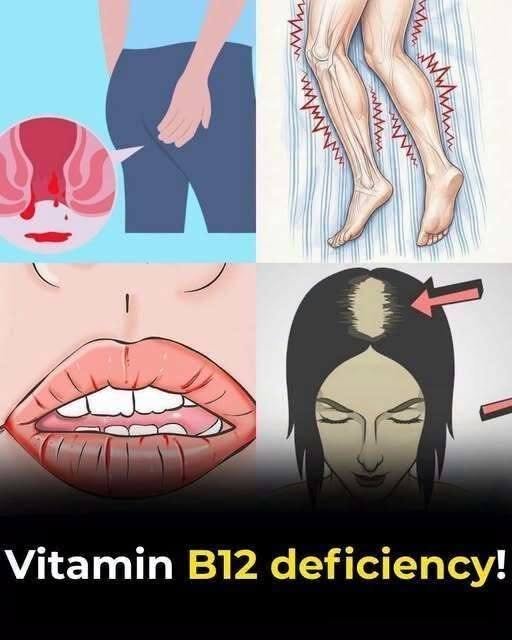
Vitamin B1, also called thiamine, is a water-soluble vitamin that helps your body convert food into energy and supports normal nerve, heart, and cellular function. Most people can get enough thiamine through a varied diet, but deficiency can develop when intake is inadequate, absorption is impaired, or the body’s requirements increase.
The early symptoms of low vitamin B1 can be surprisingly vague. Fatigue, irritability, poor appetite, memory problems, and muscle weakness may have many different causes, so these symptoms alone cannot confirm a deficiency. More severe deficiency can affect the nerves, heart, and brain and may lead to conditions such as beriberi or Wernicke encephalopathy.
Understanding the warning signs can help you recognize when it may be worth discussing your diet and symptoms with a healthcare professional.
What Is Vitamin B1?
Vitamin B1, or thiamine, helps the body use carbohydrates, fats, and proteins for energy. It is particularly important for normal nerve and heart function.
Adults generally need around 1.1–1.2 mg of thiamine per day, depending on sex and life stage. Requirements are higher during pregnancy and breastfeeding.
Thiamine is found in foods including:
- Whole grains
- Fortified breads and cereals
- Pork
- Fish
- Beans and other legumes
- Nuts
- Seeds
- Potatoes
Common Signs of Vitamin B1 Deficiency
1. Unusual Fatigue
Persistent tiredness can occur with thiamine deficiency because thiamine is involved in energy metabolism.
However, fatigue is extremely common and can also result from poor sleep, anemia, thyroid disorders, infections, stress, and many other conditions.
So fatigue alone does not mean you are deficient in vitamin B1.
2. Loss of Appetite
Reduced appetite can occur in the early stages of thiamine deficiency.
Some people may also experience weight loss when inadequate thiamine intake occurs alongside poor overall nutrition.
3. Irritability or Mood Changes
Irritability and other mental or behavioral changes can occur with thiamine deficiency.
These symptoms are nonspecific, however, and shouldn’t be used by themselves to diagnose a vitamin deficiency.
4. Memory or Concentration Problems
Thiamine is important for normal nervous-system function.
Deficiency can contribute to poor memory, confusion, and other cognitive problems. Severe deficiency can cause Wernicke encephalopathy, a serious neurological condition.
5. Muscle Weakness
Muscle weakness can develop as thiamine deficiency becomes more significant.
Severe deficiency can damage peripheral nerves and muscles, sometimes causing difficulty with movement and progressive weakness.
6. Tingling or Numbness
One of the more characteristic neurological signs of significant thiamine deficiency is tingling, pins-and-needles sensations, or numbness, particularly in the feet and hands.
This type of nerve damage is associated with dry beriberi.
7. Burning Feet
A burning sensation in the feet, sometimes particularly noticeable at night, can occur with thiamine-related peripheral neuropathy.
However, burning feet can also have other causes, including diabetes and other forms of nerve damage.
8. Leg Cramps and Pain
Thiamine deficiency can cause muscle cramps, leg pain, and other abnormal sensations as peripheral nerve and muscle problems develop.
9. Poor Coordination or Difficulty Walking
Severe thiamine deficiency can affect the brain and nervous system.
Wernicke encephalopathy can cause problems with coordination and walking, along with confusion and certain eye abnormalities.
10. Heart-Related Symptoms and Swelling
Severe thiamine deficiency can affect cardiovascular function.
In advanced cases, heart failure may develop, potentially causing swelling in the legs, shortness of breath, rapid heartbeat, and other cardiovascular symptoms. This form of severe deficiency is associated with wet beriberi.
Leg swelling has many possible causes, so it should never automatically be attributed to low vitamin B1.
Severe Vitamin B1 Deficiency: When It Becomes an Emergency
Severe thiamine deficiency can cause neurological complications, particularly Wernicke encephalopathy.
Important symptoms can include:
- Confusion
- Difficulty walking or loss of coordination
- Abnormal or involuntary eye movements
- Problems moving the eyes normally
- Reduced alertness
- Severe memory problems
Wernicke encephalopathy is a medical emergency and requires prompt treatment. If someone develops sudden confusion, significant difficulty walking, or unusual eye problems—especially when they are at high risk for thiamine deficiency—urgent medical assessment is important.
Who Is More Likely to Develop Vitamin B1 Deficiency?
Thiamine deficiency is more likely when someone doesn’t consume enough of the vitamin or cannot properly absorb or use it.
Higher-risk groups can include people with:
- Alcohol dependence
- Significant undernutrition
- Diets heavily based on highly refined carbohydrates
- Long-lasting diarrhea or gastrointestinal problems
- Certain liver disorders
- Conditions that increase nutritional requirements
- A history of bariatric surgery
- Certain chronic illnesses
People with alcohol dependence are particularly vulnerable because alcohol can interfere with thiamine intake, absorption, storage, and metabolism.
Foods Rich in Vitamin B1
One of the best ways to support adequate thiamine intake is to eat a varied diet.
Good food sources include:
Whole Grains
Whole-grain bread, brown rice, oats, and other whole grains can contribute thiamine.
Legumes
Beans, lentils, and soybeans provide thiamine along with protein and fiber.
Nuts and Seeds
Nuts and seeds can contribute useful amounts of vitamin B1 while also providing healthy fats and other nutrients.
Pork
Pork is particularly rich in thiamine compared with many other meats.
Fish
Some fish provide thiamine and other important nutrients.
Fortified Foods
Some breads, cereals, and other grain products have thiamine added during processing.
Can You Get Enough Vitamin B1 From Food?
For many people, yes.
A varied diet containing whole grains or fortified grains, legumes, nuts and seeds, meat or other protein foods can provide thiamine.
The NIH notes that most people can obtain adequate thiamine from food, although certain groups have a higher risk of deficiency.
Should You Take a Vitamin B1 Supplement?
Not everyone with fatigue, tingling, or weakness needs a thiamine supplement.
These symptoms can occur with many different conditions, including other vitamin deficiencies, diabetes, neurological disorders, anemia, thyroid disease, medication effects, and more.
If deficiency is suspected, a healthcare professional can consider your symptoms, diet, medical history, and risk factors and determine whether testing or supplementation is appropriate.
Thiamine supplements are commonly used to treat confirmed or suspected deficiency, with the treatment approach depending on how severe the deficiency is.
Vitamin B1 Is Not the Same as B12
It’s easy to confuse vitamin B1 with vitamin B12 because both belong to the B-vitamin family.
They are different nutrients with different functions.
Vitamin B1 (thiamine): Important for energy metabolism and normal nerve and heart function.
Vitamin B12: Important for blood-cell formation and neurological function.
Both deficiencies can cause neurological symptoms, but the underlying causes and treatments can be different.
Can Low B1 Cause Nerve Problems?
Yes. Significant thiamine deficiency can damage peripheral nerves.
Symptoms may include:
- Tingling
- Numbness
- Burning sensations
- Leg pain
- Muscle weakness
- Reduced reflexes
- Difficulty walking
However, these symptoms have many possible causes. Diabetes, vitamin B12 deficiency, alcohol-related nerve damage, and other neurological conditions can produce similar symptoms.
How Long Does It Take to Correct a Deficiency?
The timeline varies according to how severe the deficiency is and whether neurological or cardiovascular complications have developed.
Thiamine treatment can improve deficiency, but severe neurological complications may take much longer to recover from, and some neurological damage can be incomplete.
This is one reason significant symptoms shouldn’t be ignored or treated solely with dietary changes.
Frequently Asked Questions
What are the first signs of vitamin B1 deficiency?
Early symptoms can include fatigue, irritability, poor appetite, weight loss, memory problems, sleep disturbances, and abdominal discomfort. These symptoms are nonspecific and don’t prove a deficiency.
Can vitamin B1 deficiency cause tingling feet?
Yes. Tingling and numbness in the feet and hands can occur with significant thiamine deficiency and peripheral neuropathy.
Can low B1 cause swollen legs?
Severe thiamine deficiency can contribute to heart failure and fluid accumulation in the legs, but swelling has many other possible causes and should not automatically be blamed on B1 deficiency.
What foods contain the most vitamin B1?
Good sources include pork, whole grains, fortified grain products, legumes, nuts, seeds, fish, and potatoes.
Is vitamin B1 deficiency common?
It is uncommon in many well-nourished populations, but the risk is higher among people with alcohol dependence, significant undernutrition, certain gastrointestinal conditions, bariatric surgery, and some chronic illnesses.
Can I diagnose vitamin B1 deficiency from symptoms?
No. Symptoms such as fatigue, weakness, tingling, and memory problems can have many causes. A healthcare professional should assess the overall picture rather than relying on one symptom.
Final Thoughts
Vitamin B1 is a small nutrient with an important job. It helps the body produce energy and supports the normal function of the nervous system, heart, and cells.
The common signs of low vitamin B1 can begin subtly with fatigue, poor appetite, irritability, memory problems, or weakness. As deficiency becomes more severe, neurological symptoms such as tingling, numbness, burning feet, muscle weakness, and coordination problems can appear. Serious deficiency can affect the heart or brain.
The important point is that these symptoms aren’t unique to thiamine deficiency. If they’re persistent, worsening, or accompanied by neurological or heart-related symptoms, getting proper medical evaluation is much safer than assuming the cause is a vitamin deficiency.
SEO Details
SEO Title: Common Signs of Low Vitamin B1 – Symptoms, Causes & Foods
Meta Description: Learn the common signs of vitamin B1 deficiency, including fatigue, weakness, tingling, memory problems, nerve symptoms, causes, and food sources.
Focus Keyword: signs of low vitamin B1
Slug: signs-of-low-vitamin-b1
Category: Health & Nutrition
Tags: vitamin B1 deficiency, thiamine deficiency, signs of low vitamin B1, vitamin B1 symptoms, thiamine foods, vitamin deficiency, B vitamins, nerve health, nutrition, healthy diet