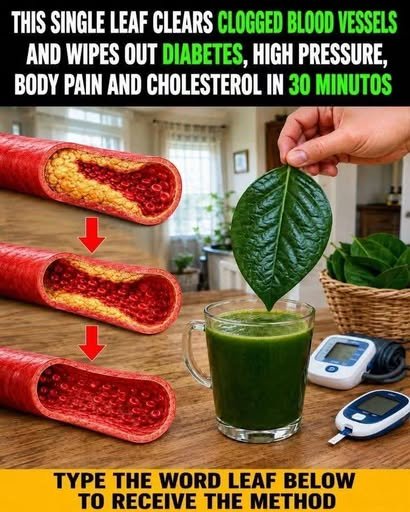
You’ve probably seen claims that a certain “one leaf” can clear clogged blood vessels in just 30 minutes while also lowering blood sugar, blood pressure, cholesterol, and body pain.
It sounds impressive—but your arteries don’t work that way.
No single leaf has been proven to dissolve arterial plaque in 30 minutes or cure diabetes, high blood pressure, high cholesterol, or chronic pain.
One commonly mentioned herb in these viral claims is bay leaf. Bay leaves contain aromatic plant compounds and can be used safely as a culinary herb, but there is no good clinical evidence that bay-leaf tea or another bay-leaf preparation can rapidly remove plaque from arteries.
What Actually Causes “Clogged” Arteries?
The medical term is atherosclerosis.
It develops when fatty deposits, cholesterol, inflammatory cells, and other substances accumulate within artery walls over time.
The process generally happens gradually—not within a single night or after drinking one herbal preparation.
Atherosclerosis can affect arteries supplying the:
- Heart
- Brain
- Legs
- Kidneys
- Other organs
Depending on which arteries are affected, it can contribute to serious conditions such as coronary artery disease, stroke, or peripheral artery disease.
Can Bay Leaves Dissolve Plaque?
No.
Bay leaves may contain antioxidants and other plant compounds, but there is no established evidence that consuming bay leaves can dissolve established arterial plaque within minutes.
Once plaque has developed, managing cardiovascular risk typically involves addressing factors such as cholesterol, blood pressure, blood sugar, smoking, diet, physical activity, and other individual risk factors.
Sometimes prescription medication or medical procedures are necessary.
What About Cholesterol?
Bay leaves should not be considered a substitute for cholesterol-lowering treatment.
Some laboratory and preliminary research has investigated various herbs and their effects on blood lipids, but that is different from proving that a particular leaf can meaningfully lower cholesterol in people or remove cholesterol deposits from artery walls.
If you’ve been prescribed a cholesterol-lowering medication, don’t stop taking it because of an herbal remedy circulating online.
Can One Leaf Cure Diabetes?
No.
Diabetes involves problems with blood glucose regulation, and treatment depends on the type of diabetes and the individual’s circumstances.
A healthy diet, physical activity, weight management when appropriate, regular monitoring, and prescribed medications can all play important roles.
An herbal tea cannot replace diabetes treatment.
What About High Blood Pressure?
High blood pressure often produces no noticeable symptoms, which is one reason regular measurement is important.
A person may feel perfectly well while their blood pressure remains elevated.
There is no reliable evidence that one cup of bay-leaf tea can safely normalize high blood pressure in 30 minutes.
If you have hypertension, follow the treatment plan recommended by your healthcare professional.
And What About Body Pain?
Bay leaves have a long history in traditional practices, but this does not establish them as a treatment for arthritis, nerve pain, muscle injuries, or other chronic pain conditions.
Persistent or unexplained pain deserves an appropriate evaluation so the underlying cause can be identified.
A Simple Way to Enjoy Bay Leaf
If you enjoy bay leaf, you can use it as a culinary herb.
Mild Bay Leaf Tea
Ingredients:
- 1 dried bay leaf
- 1 cup water
- Lemon, optional
- A small amount of honey, optional
Directions:
- Bring the water to a gentle boil.
- Add the bay leaf.
- Reduce the heat and simmer for about 5 minutes.
- Remove from the heat and allow it to cool slightly.
- Remove the leaf before drinking.
- Add lemon or a little honey if desired.
Think of this as a simple herbal beverage—not a treatment for blocked arteries or chronic disease.
How Can You Really Protect Your Arteries?
There isn’t a 30-minute shortcut, but several well-established habits can make a meaningful difference over time.
Eat for Heart Health
Build meals around vegetables, fruits, whole grains, beans, nuts, seeds, and other minimally processed foods. Choose healthier unsaturated fats more often and limit excessive saturated fat, trans fat, sodium, and highly processed foods.
Stay Physically Active
Regular physical activity supports cardiovascular health and can help with blood pressure, cholesterol, blood sugar, and weight management.
Don’t Smoke
Smoking damages blood vessels and substantially increases cardiovascular risk.
Know Your Numbers
Regularly checking blood pressure, cholesterol, and blood glucose when appropriate can help identify problems before complications develop.
Take Prescribed Medication Correctly
If your doctor has prescribed medication for cholesterol, blood pressure, or diabetes, take it as directed and discuss concerns before making changes.
When Artery Problems Become an Emergency
Don’t attempt to treat potentially serious symptoms with an herbal drink.
Seek emergency medical care for symptoms such as:
- Pressure, squeezing, or pain in the chest
- Severe shortness of breath
- Sudden weakness or numbness, particularly on one side
- Sudden difficulty speaking
- Sudden loss of vision
- Fainting or severe unexplained dizziness
- Severe pain or coldness in a limb
These symptoms can indicate a medical emergency.
Final Thoughts
The idea of one leaf clearing clogged arteries in 30 minutes is appealing, but there is no credible evidence that bay leaf—or another single leaf—can rapidly dissolve arterial plaque or simultaneously cure diabetes, high blood pressure, high cholesterol, and body pain.
Bay leaves can still have a place in the kitchen and may contribute plant compounds to your diet. Just don’t confuse a traditional herb with a proven medical treatment.
When it comes to your heart and blood vessels, the real protection comes from consistent habits, appropriate medical care, and managing the risk factors that cause cardiovascular disease—not a miracle leaf.