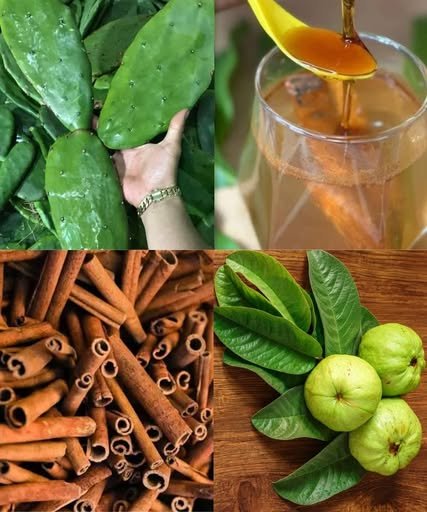
A warm herbal drink made with cactus, guava leaves, cinnamon, and honey has become popular in traditional wellness circles. Supporters often describe it as a natural remedy for everything from poor circulation and high blood sugar to fatty liver and joint discomfort.
Some of these ingredients do contain interesting plant compounds, and certain components have been studied for their potential effects on blood sugar, inflammation, digestion, and antioxidant activity.
But there is an important distinction between a food or traditional drink that may support overall health and a treatment that can eliminate a medical condition.
There is currently no good evidence that drinking a combination of cactus, guava leaves, cinnamon, and honey can cure diabetes, reverse fatty liver disease, eliminate poor circulation, or repair painful knees.
That doesn’t mean the ingredients are uninteresting. It simply means their benefits should be understood realistically.
What Is in This Traditional Drink?
The combination typically contains four ingredients:
- Cactus, often cactus pads or prickly pear
- Guava leaves
- Cinnamon
- Honey
- Water
Each ingredient has its own nutritional and traditional uses.
Let’s look at what we actually know.
1. Cactus May Provide Fiber and Plant Compounds
Edible cactus, particularly cactus pads and prickly pear, contains fiber, water, vitamins, minerals, and various plant compounds.
Some research has investigated cactus for its potential effects on blood sugar and metabolic health.
Fiber can also help slow digestion and may contribute to a healthier blood glucose response after meals.
However, the effects depend on the type and amount of cactus consumed. Drinking a strained tea made from cactus leaves or pads is not necessarily equivalent to eating the whole edible plant and its fiber.
Cactus should therefore be viewed as a nutritious food rather than a replacement for diabetes treatment.
2. Guava Leaves Have Traditionally Been Used as Tea
Guava leaves have a long history of traditional use in herbal preparations.
Laboratory and preliminary human research has investigated guava leaf extracts and tea for possible effects on blood sugar and digestion.
Some studies have reported potentially favorable effects on post-meal blood glucose, but this doesn’t mean guava leaf tea can cure diabetes.
More research is needed to determine the appropriate dose, long-term safety, and how different preparations compare.
3. Cinnamon Contains Interesting Plant Compounds
Cinnamon contains aromatic compounds and polyphenols that have been studied for antioxidant and metabolic effects.
Some research has explored whether cinnamon supplementation may modestly influence blood glucose levels in people with diabetes or prediabetes.
Results have been mixed, and cinnamon should not replace prescribed diabetes medication.
There is also an important difference between culinary amounts of cinnamon and concentrated cinnamon supplements.
4. Honey Adds Natural Sweetness
Honey contains sugars along with small amounts of other compounds.
It can be a pleasant way to sweeten a herbal drink, but honey is still an added sugar and can raise blood glucose.
This is particularly important for people with diabetes or insulin resistance.
If your goal is to make a blood-sugar-conscious drink, adding a large amount of honey may work against that goal.
A small amount—or no added sweetener—may be a better option.
Can This Drink Improve Poor Circulation?
This is one of the claims that should be treated cautiously.
“Poor circulation” can refer to many different problems, including peripheral artery disease, venous problems, diabetes-related complications, anemia, or simply cold hands and feet.
A homemade herbal drink cannot be assumed to correct these conditions.
Persistent leg pain when walking, swelling, numbness, skin color changes, cold extremities, or wounds that heal slowly should be evaluated by a healthcare professional.
Circulation problems can sometimes indicate an underlying condition that requires treatment.
Can It Cure Diabetes?
No.
There is no evidence that cactus, guava leaves, cinnamon, and honey can eliminate diabetes.
Some individual ingredients have been studied for possible effects on blood glucose, but that is very different from curing diabetes.
If you have diabetes, don’t stop insulin, tablets, or other prescribed treatment because of an herbal drink.
Instead, foods and beverages like this should only be considered part of an overall dietary pattern discussed with your healthcare professional.
What About Fatty Liver?
Fatty liver disease is strongly influenced by factors such as body weight, insulin resistance, alcohol consumption, diet, and other metabolic conditions.
There is no reliable evidence that this particular herbal drink can “clean” or detox the liver.
The liver already performs its own detoxification processes.
For metabolic fatty liver disease, sustainable lifestyle changes—including appropriate weight management when needed, regular physical activity, and a balanced diet—are much more important than a particular herbal recipe.
If you have been diagnosed with fatty liver, your doctor can help determine the cause and appropriate treatment.
Can It Relieve Knee Pain?
Cactus and cinnamon contain compounds that have been investigated for antioxidant or anti-inflammatory activity.
However, that does not establish that drinking this combination will repair damaged cartilage or eliminate knee pain.
Knee pain can result from many causes, including osteoarthritis, injuries, tendon problems, bursitis, gout, and other conditions.
Persistent or severe knee pain deserves an appropriate evaluation rather than relying solely on a homemade remedy.
How to Prepare a Simple Herbal Version
If you enjoy this drink as a traditional beverage, you can prepare a modest version without treating it as medicine.
Ingredients
- 1 small edible cactus pad, thoroughly cleaned and prepared, or a small amount of edible cactus
- 3–4 fresh guava leaves, washed
- 1 small cinnamon stick
- 3 cups water
- 1 teaspoon honey, optional
Directions
- Wash the cactus and guava leaves thoroughly.
- If using a cactus pad, carefully remove the spines and outer prickles before cooking.
- Place the water, guava leaves, cinnamon, and prepared cactus in a saucepan.
- Bring the mixture to a gentle boil.
- Reduce the heat and simmer for approximately 10–15 minutes.
- Remove from the heat and allow it to cool slightly.
- Strain if desired.
- Add a small amount of honey for sweetness if you choose.
If you are using cactus for the first time, start with a small food-sized portion because some people experience digestive discomfort from cactus.
Important Safety Considerations
Natural does not automatically mean risk-free.
Diabetes Medication
Guava leaves, cactus, and cinnamon may potentially influence blood glucose. Combining them with diabetes medication could contribute to blood sugar becoming too low in some people.
If you have diabetes and want to use herbal preparations regularly, discuss them with your healthcare professional and monitor your glucose as advised.
Cinnamon
Large amounts of cassia cinnamon can provide significant amounts of coumarin, a compound that may be problematic for the liver when consumed in excessive amounts over time.
For regular use, modest culinary quantities are preferable.
Pregnancy and Breastfeeding
If you’re pregnant or breastfeeding, avoid medicinal amounts of herbal preparations unless your healthcare professional says they’re appropriate.
Medication Interactions
Herbal ingredients can potentially interact with medications, particularly medicines affecting blood sugar, blood clotting, or the liver.
If you take prescription medication regularly, check with a doctor or pharmacist before using concentrated herbal preparations.
A Better Way to Think About This Drink
Instead of thinking:
“This drink eliminates diabetes, fatty liver, poor circulation, and knee pain.”
A more accurate way to look at it is:
“This is a traditional herbal beverage containing plants with potentially useful nutritional and bioactive compounds, but it is not a proven treatment for chronic diseases.”
That distinction matters.
A healthy beverage can be enjoyable and potentially contribute to a nutritious lifestyle without being presented as a replacement for medical treatment.
Frequently Asked Questions
Can I drink cactus, guava leaf, cinnamon, and honey every day?
There isn’t enough evidence to establish a universally safe daily medicinal dose for this combination. Occasional culinary use is different from consuming concentrated herbal preparations every day.
Should I leave out the honey if I have diabetes?
Honey is still a source of sugar and carbohydrate. If you have diabetes, using little or no added honey may make the drink more appropriate, but the entire drink should still fit within your individual meal and medication plan.
Does guava leaf tea lower blood sugar?
Some preliminary research suggests guava leaf preparations may influence post-meal blood glucose, but evidence is not strong enough to consider guava leaf tea a diabetes treatment.
Can this drink reverse fatty liver?
There is no reliable evidence that this specific drink reverses fatty liver disease. Managing the underlying causes and following an appropriate medical and lifestyle plan is more important.
Can it cure knee pain?
No. Knee pain has many possible causes, and this drink has not been established as a treatment for those conditions.
Final Thoughts
Cactus, guava leaves, cinnamon, and honey each have interesting traditional and nutritional properties, which helps explain why combinations like this continue to attract attention.
But no herbal drink should be promoted as a cure for diabetes, fatty liver disease, poor circulation, or chronic knee pain without strong clinical evidence.
If you enjoy this combination, treat it as a traditional beverage rather than a replacement for medical care. Pair it with a balanced diet, regular physical activity, adequate sleep, and appropriate medical treatment when necessary.
Natural wellness works best when it complements evidence-based healthcare—not when it replaces it.
SEO Details
SEO Title: Cactus, Guava Leaves, Cinnamon & Honey: Benefits and Safety
Meta Description: Learn what cactus, guava leaves, cinnamon, and honey may offer, what the research says, and why this traditional drink should not replace medical treatment.
Focus Keyword: cactus guava leaves cinnamon and honey
Secondary Keywords: cactus drink benefits, guava leaf tea, cinnamon and guava leaves, cactus and guava leaf drink, natural wellness drink, guava leaf tea benefits
Suggested URL Slug: cactus-guava-leaves-cinnamon-honey
Excerpt: Cactus, guava leaves, cinnamon, and honey are used in traditional wellness drinks. Discover their potential benefits, limitations, preparation, and important safety considerations.