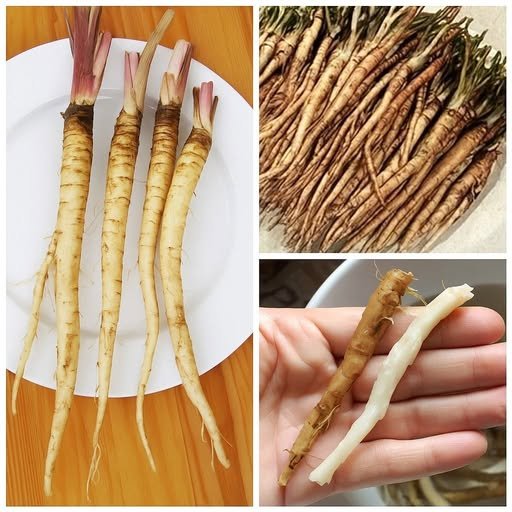
Burdock root has a long history of use as a food and traditional herbal ingredient, particularly in parts of Asia. More recently, compounds found in burdock have attracted scientific interest because some laboratory studies have observed antioxidant, anti-inflammatory, and potentially anticancer activity.
But there is an important difference between a compound affecting cancer cells in a laboratory experiment and proving that a plant can treat cancer in people.
Claims that burdock root destroys cancer cells in 48 hours or is “100 times more effective than chemotherapy” are not supported by reliable human clinical evidence. Memorial Sloan Kettering Cancer Center notes that there is currently no evidence supporting burdock as a cancer treatment.
What Is Burdock Root?
Burdock, scientifically known as Arctium lappa, is a plant whose roots and seeds have been used traditionally for various purposes. The root is also eaten as a vegetable in some cuisines.
It contains several plant compounds, including lignans such as arctiin and arctigenin, along with flavonoids and polyphenols.
Some of these compounds have demonstrated interesting biological effects in laboratory and animal research. However, these findings do not establish that eating burdock root or drinking burdock tea treats cancer in humans.
Can Burdock Root Destroy Cancer Cells?
This is where internet claims often go far beyond the evidence.
Certain compounds isolated from burdock have demonstrated effects against cancer cells in laboratory experiments. For example, research has investigated compounds such as arctigenin and lappaol F for their effects on cell growth and programmed cell death.
These findings are scientifically interesting, but laboratory activity is not the same as a proven cancer treatment.
A substance can kill cancer cells in a test tube while being ineffective, unsafe, poorly absorbed, or unable to reach the necessary concentration inside the human body.
Memorial Sloan Kettering specifically states that evidence is lacking to support burdock for cancer treatment.
What About the “48-Hour” Claim?
There is no reliable clinical evidence showing that drinking burdock tea or taking burdock root extract eliminates cancer cells within 48 hours.
Cancer is not one single disease. Different cancers have different biology, mutations, growth rates, and responses to treatment.
Therefore, a claim that one plant rapidly destroys cancer cells across different cancer types should be treated with considerable skepticism.
The National Cancer Institute states more broadly that there is no proof that any food, vitamin, mineral, dietary supplement, herb, or combination of these can slow or cure cancer.
Is Burdock 100 Times More Effective Than Chemotherapy?
There is no credible clinical evidence supporting this comparison.
Chemotherapy consists of medicines specifically developed and tested to treat cancer. Depending on the cancer type and situation, chemotherapy can kill cancer cells, slow their growth, reduce tumors, prevent recurrence, or relieve cancer-related symptoms.
Different chemotherapy drugs are used for different cancers, and treatment may also involve surgery, radiation therapy, immunotherapy, targeted therapy, hormone therapy, or combinations of treatments.
Comparing an unproven herbal preparation with chemotherapy using a claim such as “100 times more effective” has no established scientific basis.
Why Do People Think Burdock Has Anticancer Properties?
There are legitimate scientific reasons researchers have studied burdock.
1. Plant Compounds
Burdock contains compounds such as arctigenin and arctiin that have demonstrated biological activity in preclinical research.
2. Antioxidant Activity
Burdock contains various polyphenols and other compounds with antioxidant activity.
3. Laboratory Cancer Research
Some isolated burdock compounds have affected cancer-related pathways or cancer-cell growth in laboratory experiments.
These observations may justify further research, but they don’t prove that burdock root can treat cancer in a patient.
What About Essiac Tea?
Burdock root is one of the ingredients traditionally reported in Essiac, an herbal mixture that also contains herbs such as sheep sorrel, slippery elm, and rhubarb.
Essiac has been promoted as an alternative cancer treatment, but the National Cancer Institute reports that controlled human data do not establish it as an effective cancer treatment.
This is an important distinction: the presence of burdock in an herbal cancer product does not demonstrate that burdock itself cures cancer.
Is Burdock Root Safe?
“Natural” does not automatically mean risk-free.
Memorial Sloan Kettering reports potential concerns involving burdock, including allergic reactions and a reported case of acute liver injury associated with an herbal detox tea containing burdock. There have also been concerns about contamination of some burdock teas with atropine-like alkaloids from other plants.
People with allergies to chrysanthemums may potentially experience cross-reactivity.
Burdock should also be avoided during pregnancy because it may stimulate the uterus.
If you’re undergoing cancer treatment, tell your oncologist about any herbal product, tea, powder, or supplement you’re considering.
Could Burdock Interfere With Cancer Treatment?
This is one reason people receiving cancer treatment should not automatically assume that an herbal product is harmless.
Cancer treatments can involve complex combinations of medications, and supplements may have biological effects of their own.
Rather than replacing prescribed treatment with an herbal remedy, discuss burdock or any other supplement with your oncology team before using it.
What Should Someone With Cancer Do?
If you or someone you love has cancer, the safest approach is to identify the specific cancer and discuss evidence-based treatment options with the appropriate healthcare team.
Depending on the diagnosis, treatment may include:
- Surgery
- Chemotherapy
- Radiation therapy
- Immunotherapy
- Targeted therapy
- Hormone therapy
- Clinical trials
- Combinations of these approaches
The appropriate treatment depends on the cancer type, stage, molecular characteristics, overall health, and other individual factors.
The Bottom Line
Burdock root is an interesting traditional plant and contains compounds that scientists continue to study. Some laboratory research has produced intriguing findings involving antioxidant and anticancer activity.
But there is currently no good human evidence showing that burdock root destroys cancer in 48 hours, cures cancer, or is 100 times more effective than chemotherapy.
Burdock may eventually contribute to useful scientific discoveries, but laboratory findings should not be confused with proven cancer treatment.
Most importantly, someone with cancer should never stop, delay, or replace prescribed cancer treatment with burdock root or another unproven herbal remedy without discussing it with their medical team.
SEO Details
SEO Title: Burdock Root and Cancer: What Science Really Says
Meta Description: Can burdock root destroy cancer cells in 48 hours? Learn what scientific research actually says about burdock root, cancer, safety, and chemotherapy.
Focus Keyword: burdock root cancer
Related Keywords: burdock root benefits, burdock root tea, burdock and cancer, arctigenin cancer research, burdock root safety, natural cancer remedies
Suggested URL Slug: burdock-root-cancer-science