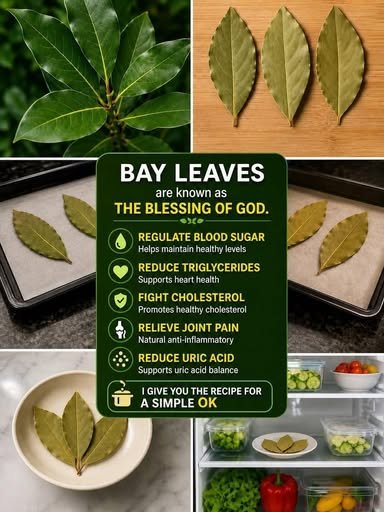
Bay leaf tea is a simple herbal infusion prepared by steeping culinary bay leaves (Laurus nobilis) in hot water. Although bay leaves are best known as a seasoning for soups, stews, sauces, and rice dishes, they have also been traditionally used in herbal preparations.
The resulting drink has a mild, earthy aroma with a slightly spicy, herbal flavor. It can be enjoyed as a warm, caffeine-free beverage, but claims that bay leaf tea can cure diseases or “detox” the body are not supported by strong clinical evidence.
What Is Bay Leaf Tea?
Bay leaf tea is made from the dried leaves of the culinary bay tree, Laurus nobilis.
Unlike black tea or green tea, bay leaf infusion contains no tea leaves and is naturally caffeine-free. The leaves are steeped in hot water to extract some of their aromatic compounds.
Bay leaves contain naturally occurring plant compounds, including essential oils and polyphenols, which contribute to their distinctive aroma and flavor.
Simple Bay Leaf Tea Recipe
Ingredients
- 2–3 dried culinary bay leaves
- 2 cups water
- 1–2 teaspoons fresh lemon juice, optional
- ½–1 teaspoon honey, optional
Instructions
- Pour 2 cups of water into a small saucepan.
- Bring the water to a gentle boil.
- Add the dried bay leaves.
- Reduce the heat and simmer gently for about 5 minutes.
- Turn off the heat and cover the saucepan.
- Allow the infusion to steep for another 5–10 minutes.
- Remove the bay leaves and pour the tea into a cup.
- Add lemon or a small amount of honey if desired.
- Serve warm.
What Does Bay Leaf Tea Taste Like?
Bay leaf tea has a subtle herbal and slightly peppery flavor. It isn’t naturally sweet, so some people prefer adding lemon or a little honey.
The flavor can become quite strong and bitter if too many leaves are used or if they are steeped for an excessively long time.
Potential Benefits of Bay Leaf Tea
Bay leaves contain several plant compounds with antioxidant activity in laboratory research. However, laboratory findings do not automatically mean that drinking bay leaf tea produces the same effects in humans.
1. Provides Plant Compounds
Bay leaves naturally contain aromatic compounds and polyphenols. These contribute to the plant’s characteristic fragrance and antioxidant properties.
2. A Caffeine-Free Beverage
For people who want a warm drink without caffeine, bay leaf infusion can be an alternative to traditional caffeinated teas.
3. May Complement a Healthy Diet
Using herbs and spices is an easy way to add flavor without relying heavily on salt. Bay leaf tea can fit into an overall healthy eating pattern as a beverage.
4. Traditionally Used for Digestive Comfort
Bay leaves have a long history of culinary and traditional use. Some people drink herbal infusions after meals, although strong clinical evidence that bay leaf tea specifically treats digestive disorders is limited.
Does Bay Leaf Tea Lower Blood Sugar?
Bay leaves have been investigated for possible effects on blood glucose and other metabolic measures, but evidence from human research is limited.
That means bay leaf tea should not be used as a replacement for diabetes medication, dietary treatment, or medical care.
If you have diabetes and regularly drink herbal preparations, it’s worth discussing them with your healthcare professional, particularly if you’re taking glucose-lowering medication.
Does Bay Leaf Tea Help With Weight Loss?
There is no good evidence that bay leaf tea directly burns body fat or causes significant weight loss.
It can be a low-calorie beverage if consumed without large amounts of sugar or honey, which may make it a reasonable alternative to sugary drinks.
However, sustainable weight management depends on overall food intake, physical activity, sleep, and other lifestyle factors rather than one herbal drink.
Can You Drink Bay Leaf Tea Every Day?
Occasional consumption as a culinary-style herbal infusion is generally different from taking concentrated bay leaf extracts or supplements.
However, there isn’t enough evidence to establish an ideal daily amount of bay leaf tea for health purposes.
More is not necessarily better. Avoid making very concentrated preparations or consuming large quantities.
Important Safety Tips
Use culinary bay leaves identified as Laurus nobilis.
Do not assume that every plant called “bay leaf” is safe to consume. Some plants have similar common names but are different species and may be toxic.
Also remember that whole bay leaves are tough and can have sharp edges. Always remove them from the infusion before drinking.
People who are pregnant or breastfeeding, taking regular medication, preparing for surgery, or managing conditions such as diabetes should speak with a healthcare professional before using bay leaf preparations regularly or in concentrated forms.
Bay Leaf Tea vs. Bay Leaf in Cooking
Using bay leaves in cooking is not the same as drinking a concentrated herbal infusion.
When bay leaves are used in soups, sauces, stews, and rice dishes, they primarily contribute flavor and aroma. They are generally removed before serving.
Bay leaf tea involves deliberately extracting compounds from the leaves into hot water, so regular medicinal-style use deserves more caution than simply using a leaf or two in a recipe.
A Simple Lemon Bay Leaf Infusion
For a refreshing version, prepare the basic tea and allow it to cool slightly.
Add:
- 2 cups bay leaf infusion
- 1–2 teaspoons fresh lemon juice
- A small amount of honey, if desired
- Ice, if serving cold
Stir well and serve.
This makes a refreshing caffeine-free drink, particularly in warm weather.
Frequently Asked Questions
Can I use fresh bay leaves?
Yes, culinary bay leaves can be used, although dried leaves are commonly used for infusions because they are readily available and have a concentrated aroma.
Can bay leaf tea detox the body?
There is no strong evidence that bay leaf tea performs a special “detox.” Your liver and kidneys already play major roles in processing and eliminating substances from the body.
Can bay leaf tea cure diabetes?
No. Bay leaf tea has not been established as a cure for diabetes and should never replace prescribed treatment.
Can I drink it before bed?
Because bay leaf tea is naturally caffeine-free, some people may enjoy it as a warm evening beverage. However, it should not be considered a proven sleep treatment.
Should I swallow the bay leaves?
No. Remove the leaves before drinking. Whole bay leaves can be tough and may have sharp edges.
Final Thoughts
Bay leaf tea is a simple, aromatic herbal infusion made from Laurus nobilis and hot water. It can be enjoyed as a caffeine-free beverage and provides some naturally occurring plant compounds.
However, it’s best viewed as a traditional herbal drink rather than a medical treatment. Claims that bay leaf tea can cure diabetes, rapidly burn fat, cleanse the kidneys, or eliminate disease go beyond the available evidence.
Enjoy it in moderation, use correctly identified culinary bay leaves, and rely on proven medical and lifestyle approaches for managing health conditions.
SEO Title: Bay Leaf Tea: Benefits, Recipe, Uses & Safety
Meta Description: Learn how to make simple bay leaf tea using culinary Laurus nobilis leaves and hot water, plus potential benefits, uses, safety tips, and common questions.
Focus Keyword: bay leaf tea
Secondary Keywords: bay leaf infusion, Laurus nobilis tea, bay leaf herbal tea, bay leaves and hot water, bay leaf tea recipe
Category: Herbal Drinks, Natural Wellness