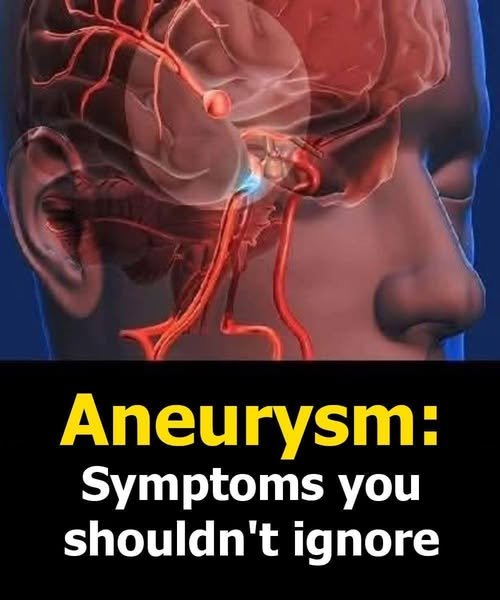
An aneurysm is a weakened area in the wall of a blood vessel that becomes enlarged or balloon-like. Aneurysms can develop in different parts of the body, including the brain and the aorta, the body’s largest artery.
One of the most concerning things about aneurysms is that they can remain completely silent. Many are discovered accidentally during imaging performed for another reason. However, when an aneurysm becomes symptomatic, leaks, ruptures, or causes a tear in an artery, the situation can become life-threatening very quickly.
1. A Sudden, Extremely Severe Headache
A sudden headache that reaches maximum intensity within seconds or minutes—often described as the worst headache of your life—is one of the most important warning signs of a ruptured brain aneurysm.
This is a medical emergency and should never be dismissed as an ordinary headache.
2. Sudden Nausea or Vomiting
Nausea and vomiting can accompany a ruptured brain aneurysm, particularly when they occur together with a sudden severe headache.
3. A Stiff or Painful Neck
Neck stiffness or pain can occur after bleeding around the brain. When it appears suddenly with an intense headache, urgent medical evaluation is necessary.
4. Changes in Vision
Double vision, blurred vision, loss of vision, or other sudden visual changes can occur with certain brain aneurysms.
An unruptured aneurysm can sometimes press against nearby nerves, causing symptoms such as pain around the eye or changes in vision.
5. Pain Around or Behind One Eye
Pain above or behind an eye can occur when a larger brain aneurysm puts pressure on surrounding structures.
It does not, by itself, mean that someone has an aneurysm, but persistent or unexplained symptoms deserve medical assessment.
6. Weakness or Numbness on One Side
Sudden weakness or numbness affecting one side of the face or body can occur with bleeding from a brain aneurysm and may resemble a stroke.
If this happens suddenly, seek emergency medical help immediately.
7. Trouble Speaking or Understanding
Sudden slurred speech, confusion, difficulty finding words, or difficulty understanding speech can be signs of a serious neurological emergency.
8. Seizure
A seizure can occur when a brain aneurysm ruptures. A first-ever seizure, particularly when accompanied by a severe headache or loss of consciousness, requires emergency assessment.
9. Loss of Consciousness
Fainting or becoming unconscious can occur during a serious aneurysm rupture or other life-threatening conditions.
If someone suddenly loses consciousness, emergency services should be contacted.
10. Sudden, Severe Chest or Upper-Back Pain
Aortic aneurysms can occur in the chest. If an aneurysm tears or ruptures, a person may experience sudden, severe chest or upper-back pain, sometimes with pain spreading toward the neck, jaw, or arms.
11. Sudden Severe Abdominal or Back Pain
An abdominal aortic aneurysm can sometimes cause deep abdominal, side, or back pain.
If the pain suddenly becomes extremely severe—especially if accompanied by weakness, fainting, rapid heartbeat, or low blood pressure—it may indicate rupture and requires emergency treatment.
12. A Pulsating Feeling Near the Belly Button
Some abdominal aortic aneurysms can cause a noticeable throbbing or pulsing sensation near the belly button.
This symptom does not automatically mean an aneurysm, but persistent or unexplained pulsation should be evaluated by a healthcare professional.
13. Shortness of Breath or Difficulty Breathing
A large aneurysm in the chest can sometimes cause shortness of breath. Breathing difficulty can also occur during a rupture or aortic dissection.
14. Difficulty Swallowing
A thoracic aortic aneurysm can sometimes press on nearby structures and cause difficulty swallowing.
15. A Persistent Cough or Hoarse Voice
A growing thoracic aortic aneurysm may sometimes cause coughing or a weak, scratchy voice because of pressure on structures within the chest.
When Is an Aneurysm an Emergency?
The most important distinction is between an unruptured aneurysm and a ruptured or dissecting aneurysm.
Many unruptured aneurysms cause no symptoms and may simply require monitoring or treatment based on their size, location, growth, and other risk factors.
A rupture or aortic dissection, however, can cause life-threatening bleeding and requires immediate emergency treatment.
Seek emergency help immediately for:
- A sudden, extremely severe headache
- Sudden weakness or numbness on one side
- Loss of consciousness
- A seizure
- Sudden difficulty speaking
- Sudden vision loss or major vision changes
- Sudden severe chest or upper-back pain
- Sudden severe abdominal or back pain
- Severe breathing difficulty
- Sudden collapse or signs of shock
Do not drive yourself to the hospital during a suspected aneurysm rupture. Call your local emergency service.
Who May Have a Higher Risk?
Risk varies depending on the type and location of the aneurysm. Factors associated with aneurysms or increased rupture risk can include smoking, high blood pressure, increasing age, certain inherited connective-tissue conditions, and a family history of aneurysms.
Having one risk factor does not mean that you have an aneurysm. Likewise, the absence of risk factors does not completely eliminate the possibility.
How Are Aneurysms Found?
Because many aneurysms don’t cause symptoms, they are sometimes discovered during imaging performed for another medical reason.
Depending on the suspected location, doctors may use tests such as CT scans, MRI, ultrasound, or other vascular imaging to identify and evaluate an aneurysm. Management depends on factors including its location, size, shape, symptoms, and how quickly it is changing.
Final Thoughts
An aneurysm isn’t something you can reliably diagnose from symptoms alone. Many aneurysms cause no warning signs at all, while symptoms such as headaches, back pain, or abdominal discomfort can have many other causes.
What matters most is recognizing sudden, severe, unusual symptoms, particularly a thunderclap headache or sudden severe chest, back, or abdominal pain. These symptoms should never be ignored because a ruptured aneurysm or aortic dissection can become life-threatening within a very short time.