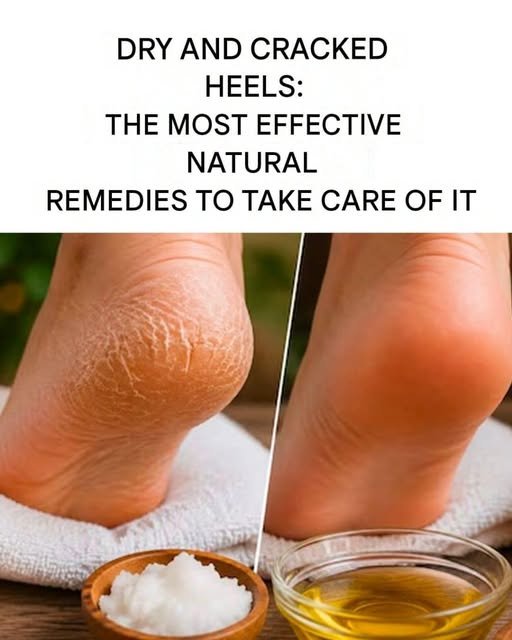
Dry, rough, and cracked heels are a common problem that can affect people of all ages. You might notice thickened skin around the edges of your heels, white flaky patches, painful cracks, or skin that feels rough even after applying moisturizer. Sometimes the problem is simply caused by dry weather, frequent walking, or wearing open-backed shoes. In other cases, persistent heel dryness may be associated with skin conditions or underlying health problems.
The good news is that consistent foot care can often make dry heels noticeably softer and more comfortable. Simple home remedies, such as applying petroleum jelly, using a fragrance-free moisturizer, and soaking your feet briefly before gently removing excess dead skin, can help improve the appearance and texture of your heels.
However, not every natural remedy is safe for cracked skin. Lemon juice, vinegar, and harsh scrubs can irritate damaged skin and make discomfort worse. The goal is to restore moisture, protect the skin barrier, and allow small cracks to heal rather than aggressively removing the dry skin.
In this guide, you’ll discover practical home remedies for dry and cracked heels, common causes of heel dryness, mistakes to avoid, and signs that indicate when professional care may be necessary.
What Causes Dry and Cracked Heels?
Before choosing a remedy, it helps to understand why your heels become dry in the first place.
The skin around your heels experiences considerable pressure when you walk or stand. When the skin becomes dry and thick, it loses flexibility. Pressure can then cause the edges of the heels to spread apart, creating small cracks known as heel fissures.
Common causes include:
- Dry weather: Cold temperatures, low humidity, and indoor heating can contribute to skin dryness.
- Hot showers and harsh soaps: These can remove natural oils from the skin.
- Prolonged standing: Spending long periods on your feet increases pressure on the heels.
- Open-backed footwear: Sandals and loose-fitting slippers may allow the heel’s fatty pad to spread outward, increasing pressure on the skin.
- Frequent barefoot walking: Walking barefoot on hard surfaces can contribute to friction and thickened skin.
- Age-related skin changes: Skin may become drier and less elastic with age.
- Skin conditions: Eczema, psoriasis, and certain forms of athlete’s foot can cause scaling and cracking.
- Underlying health conditions: Diabetes, nerve damage, and circulation problems can make foot problems more serious and slow healing.
If your heels remain severely dry despite regular care, or if the problem repeatedly returns, consider discussing it with a healthcare professional.
10 Effective Home Remedies for Dry and Cracked Heels
1. Apply Petroleum Jelly Before Bed
One of the simplest and most effective ways to care for dry heels is to apply petroleum jelly.
Petroleum jelly acts as an occlusive barrier, helping reduce water loss from the skin. It doesn’t add much water itself, but it helps keep existing moisture from evaporating.
How to use it:
- Wash your feet gently with lukewarm water.
- Pat them dry, leaving the skin slightly damp.
- Apply a generous layer of plain petroleum jelly to the dry areas.
- Put on a pair of clean cotton socks.
- Leave the product on overnight.
Repeat nightly until your heels become softer, then continue as needed to maintain moisture.
Why it helps: Regular use can reduce roughness and help protect superficial cracks from further drying. Small improvements may appear within several days, although deeper fissures take longer to heal.
Do not use an occlusive treatment as a substitute for medical care if a crack is deep, bleeding, infected, or slow to heal.
2. Use a Thick, Fragrance-Free Moisturizer
A good moisturizer is essential for repairing the skin barrier. Look for a fragrance-free foot cream containing ingredients such as glycerin, ceramides, or petrolatum.
Glycerin attracts water to the outer layers of the skin, while ceramides help support the skin barrier.
How to use it:
- Wash your feet with lukewarm water.
- Gently pat them dry.
- Apply moisturizer to the heels and other dry areas.
- Reapply at least once daily, and more often if the skin is very dry.
For best results, apply moisturizer immediately after bathing while the skin is still slightly damp.
Best for: Mild to moderate dryness, flaky skin, and rough heels that need regular hydration.
Choose a product without added fragrance if your skin is sensitive.
3. Try a Foot Cream Containing Urea
Urea is an ingredient commonly used in foot creams for very dry, thickened skin. At lower concentrations, it helps attract and retain moisture. At higher concentrations, it can soften thick skin and help remove excess dead skin.
Products containing approximately 10% urea are often suitable for dry skin, while stronger formulations may be used for thick callused heels.
How to use it:
- Choose a foot cream appropriate for your level of dryness.
- Apply it according to the product instructions.
- Use it consistently rather than applying a large amount occasionally.
Important precaution: Urea may sting when applied to open cracks or irritated skin. Avoid applying stronger urea preparations directly to bleeding or deep fissures. A plain ointment may be more comfortable until the skin closes.
Although urea is not a plant-based remedy, it is a well-established option for managing dry, thickened heel skin.
4. Soak Your Feet Briefly in Lukewarm Water
A short foot soak can soften hardened skin and make gentle cleaning easier. However, prolonged soaking can strip the skin of natural oils and worsen dryness.
How to do it:
- Fill a basin with comfortably warm, not hot, water.
- Soak your feet for approximately 5–10 minutes.
- Gently wash away dirt.
- Pat your feet dry, especially between the toes.
- Immediately apply a moisturizer or petroleum jelly.
You don’t need to add salt, vinegar, or essential oils to the water.
Why it helps: Brief soaking temporarily softens dry, thickened skin and makes moisturizer application easier.
Who should avoid it: People with diabetes, reduced foot sensation, poor circulation, or open wounds should avoid unsupervised foot soaking and seek advice from their healthcare professional.
5. Gently Remove Excess Dead Skin
Thickened skin around the heels can contribute to cracking, but aggressive scrubbing can cause injury.
If the skin is intact and you don’t have diabetes, reduced sensation, or circulation problems, gentle use of a foot file may help reduce excess hard skin.
How to do it safely:
- Soften the skin with a brief lukewarm soak.
- Use a clean, fine-grit foot file with light pressure.
- Make a few gentle passes over thickened skin.
- Stop if you feel pain, notice redness, or see any bleeding.
- Apply a thick moisturizer afterward.
Do not try to remove all the hard skin in one session.
Avoid: Razor blades, scissors, aggressive scraping, and chemical callus removers on cracked heels. These methods can cause cuts, burns, and infections.
If you have diabetes, neuropathy, poor circulation, or deep fissures, have thickened skin assessed by a qualified healthcare professional rather than removing it yourself.
6. Use Coconut Oil as a Moisturizing Option
Coconut oil can soften dry skin and reduce moisture loss. It contains fatty acids that help condition the skin, although evidence specifically showing that it heals cracked heels is limited.
How to use it:
- Wash your feet and pat them dry.
- Apply a small amount of plain coconut oil to intact dry skin.
- Massage gently without pulling apart any cracks.
- Wear cotton socks if desired to protect bedding.
You can use coconut oil once or twice daily if your skin tolerates it.
Keep in mind: Coconut oil is an optional moisturizer, not a proven treatment for deep fissures or infections. If it causes itching, redness, or irritation, discontinue use.
7. Consider Shea Butter for Rough Heels
Shea butter is a rich emollient that can make rough skin feel softer and smoother. It is useful for people who prefer a plant-derived moisturizing product.
How to use it:
- Clean your feet gently.
- Apply a small amount of plain, fragrance-free shea butter.
- Massage it into the intact dry areas.
- Reapply in the evening or after bathing.
Shea butter can be particularly useful when the skin feels tight or rough.
However, there is limited direct clinical evidence that shea butter specifically treats cracked heels. Its main benefit is moisturizing and conditioning the skin.
8. Try a Thick Moisturizing Cream With Glycerin
Glycerin is a humectant, meaning it helps attract water into the outer layer of the skin. It is commonly included in moisturizers designed for dry or rough skin.
For very dry heels, choose a thick cream that combines glycerin with occlusive ingredients such as petrolatum or mineral oil.
How to use it:
- Apply after washing your feet.
- Reapply whenever the skin feels dry.
- Use a thicker layer before bed.
- Cover the heels with clean socks if comfortable.
A moisturizer combining humectants and occlusive ingredients often works better than relying on a single oil alone.
9. Wear Supportive, Closed-Back Shoes
Moisturizing is important, but footwear also matters.
Open-backed sandals and loose slippers can allow the heel to expand outward with each step, placing additional stress on dry, thickened skin.
Choose shoes that fit properly, support the heel, and cushion the sole. Avoid footwear that repeatedly rubs the affected area.
If you spend many hours standing, cushioned insoles may help reduce pressure.
Why it helps: Reducing friction and pressure may prevent existing cracks from worsening and lower the chance of new fissures developing.
Wear clean socks and change them when damp. Avoid walking barefoot on rough surfaces while your heels recover.
10. Maintain a Daily Foot-Care Routine
The most effective approach is often a combination of gentle cleansing, regular moisturizing, and protection from friction.
Try this simple routine:
Morning
- Wash your feet gently if needed.
- Dry carefully, particularly between the toes.
- Apply a fragrance-free moisturizer to dry areas.
- Wear comfortable, supportive footwear.
Evening
- Clean your feet with lukewarm water.
- Pat them dry.
- Apply a thick moisturizer or petroleum jelly to the heels.
- Wear clean cotton socks if comfortable.
Once or twice weekly
- If your skin is intact and you have no risk factors, gently file excess hard skin.
- Avoid filing directly over cracks or irritated areas.
Consistency is more important than using many different products. Give your skin time to respond instead of switching remedies every day.
Natural Remedies You Should Avoid on Cracked Heels
Not every popular home remedy is suitable for damaged skin. Some can increase irritation or delay healing.
Lemon Juice
Lemon juice is acidic and may sting or irritate cracked skin. It is not necessary for moisturizing or healing heels.
Vinegar Soaks
Vinegar is sometimes promoted as a foot treatment, but evidence for routine use on cracked heels is limited. It may irritate fissures and is best avoided on damaged skin.
Baking Soda Scrubs
Baking soda can disrupt the skin’s natural pH and may cause irritation, particularly when combined with vigorous scrubbing.
Sugar and Salt Scrubs
These abrasive ingredients can create tiny injuries when rubbed against already cracked skin. They are not needed to soften heels.
Undiluted Essential Oils
Essential oils can cause irritation or allergic reactions. Never apply undiluted oils to cracked skin, and avoid experimenting with fragranced mixtures on open fissures.
Cutting Away Hard Skin
Never cut away thickened heel skin with a blade or scissors at home. Accidental injuries can become infected, particularly in people with diabetes or reduced circulation.
What Nutrients Support Healthy Skin?
A balanced diet supports normal skin function and wound healing, although no particular food or supplement can independently cure cracked heels.
Protein
Protein provides the building blocks needed for tissue maintenance and repair. Include eggs, fish, chicken, beans, lentils, dairy products, or other suitable protein sources.
Vitamin C
Vitamin C supports collagen production, which is important for normal skin structure and wound healing.
Sources include oranges, guava, kiwi, strawberries, bell peppers, and tomatoes.
Zinc
Zinc contributes to normal skin function and wound healing. Foods containing zinc include meat, seafood, dairy products, beans, nuts, and seeds.
Essential Fatty Acids
Unsaturated fats support overall health and are part of a balanced diet. Sources include oily fish, walnuts, chia seeds, and flaxseeds.
Adequate Fluids
Drink enough fluids throughout the day to avoid dehydration. However, drinking excessive amounts of water will not directly repair cracked heels if the main problem is a damaged skin barrier.
Important: Supplements are usually unnecessary unless a deficiency or another medical indication exists. Persistent heel cracking is not, by itself, proof of a vitamin deficiency.
When Are Cracked Heels a Sign of a Medical Problem?
Most mild cases improve with consistent moisturizing and appropriate footwear. However, persistent or severe heel problems sometimes need medical evaluation.
Seek professional advice if you notice:
- Deep or painful cracks.
- Bleeding or discharge.
- Increasing redness, warmth, swelling, or tenderness.
- Pus, an unpleasant smell from a wound, or fever.
- Severe itching, scaling, or peeling that spreads to the soles or between the toes.
- Heel cracking that repeatedly returns despite regular care.
- Skin changes accompanied by numbness or reduced sensation.
People with diabetes, poor circulation, nerve damage, or a weakened immune system should seek medical advice promptly for cracked skin or foot wounds, even if the wound initially appears minor.
If you have diabetes and develop a new foot wound, contact your healthcare professional promptly rather than relying on home remedies.
Frequently Asked Questions
How long does it take to soften dry heels?
Mild dryness may improve within several days of consistent moisturizing. Thickened skin and deeper cracks may take several weeks or longer. Healing time depends on the severity of the damage, the underlying cause, and whether pressure or friction continues.
What is the fastest way to soften cracked heels?
For intact, dry heels, applying a thick moisturizer or petroleum jelly after washing and before bed is a practical starting point. For deep or painful cracks, prioritize protection and medical advice rather than aggressive exfoliation.
Is petroleum jelly better than coconut oil?
Both can soften the skin, but they work somewhat differently. Petroleum jelly is particularly effective at reducing water loss. Coconut oil can condition the skin but has less direct evidence for treating heel fissures. A fragrance-free foot cream may also be an excellent option.
Should I soak my feet every night?
Not necessarily. Frequent or prolonged soaking can worsen dryness. A short soak may help occasionally, but regular moisturizing is more important. Avoid soaking if you have diabetes-related foot problems, reduced sensation, poor circulation, or open wounds unless your healthcare professional advises otherwise.
Can cracked heels be caused by a vitamin deficiency?
A nutritional deficiency can affect skin health, but ordinary dry heels are more commonly related to dryness, thickened skin, pressure, footwear, or skin conditions. Consider nutritional evaluation if you have other symptoms or dietary risk factors rather than assuming a deficiency is responsible.
Does walking barefoot cause cracked heels?
Walking barefoot can increase exposure to friction and hard surfaces. Combined with dry or thickened skin, this may contribute to heel cracking. Supportive footwear can reduce pressure and protect the skin.
Is it safe to peel off loose skin?
Do not pull or peel skin attached to a crack. This can enlarge the wound and cause bleeding. Let loose skin shed naturally, and avoid sharp tools or aggressive scrubbing.
Can cracked heels come back after healing?
Yes. If the skin remains dry or the heels continue to experience pressure and friction, cracking can return. Daily moisturizing, suitable footwear, and occasional gentle care can help reduce recurrence.
Final Thoughts
Dry and cracked heels can be uncomfortable, but a simple, consistent foot-care routine often makes a meaningful difference. Start with gentle cleansing, apply a thick fragrance-free moisturizer or petroleum jelly, protect your heels with supportive footwear, and avoid harsh scrubs or acidic home remedies.
Coconut oil and shea butter are reasonable moisturizing alternatives for intact skin, while urea-based creams may be especially helpful for thickened heels. The best choice depends on your skin condition and the severity of the cracks.
Remember that deeply cracked, bleeding, or infected heels need more than a natural remedy. If symptoms persist or you have diabetes or circulation problems, seek professional advice to protect your feet and support proper healing.
Healthy heels are maintained through regular care, gentle treatment, and prevention—not through harsh methods that promise overnight results.
SEO Details
SEO Title: Dry and Cracked Heels? 10 Remedies for Softer Feet
Meta Description: Discover practical remedies for dry and cracked heels, including petroleum jelly, moisturizers, coconut oil, safe exfoliation, and daily foot-care tips.
Focus Keyword: Dry and Cracked Heels
URL Slug: dry-cracked-heels-remedies
Related Keywords: natural remedies for cracked heels, how to soften dry heels, home remedies for heel fissures, best moisturizer for cracked heels, foot care tips, dry feet treatment