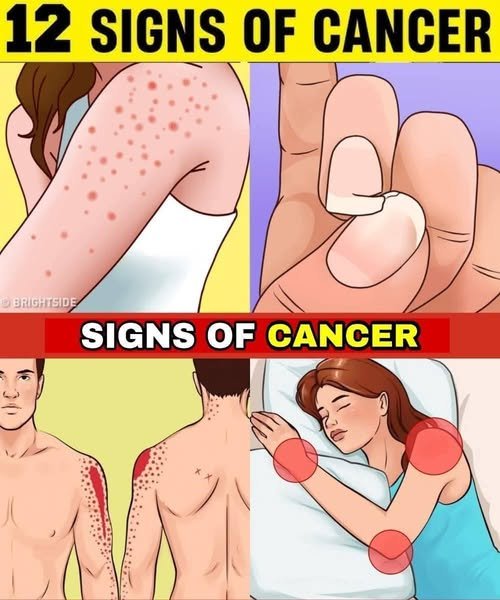
Cancer is a group of diseases in which abnormal cells grow uncontrollably and may invade nearby tissues or spread to other parts of the body. Many cancers develop gradually, and some cause noticeable symptoms only after they have grown. Others can be detected through screening before symptoms appear.
Understanding potential warning signs can help you recognize changes in your body and seek medical attention when necessary. However, it is important to remember that no symptom can tell you by itself that cancer cells are developing. Many symptoms associated with cancer are also caused by common, noncancerous conditions.
Persistent fatigue, unexplained weight loss, unusual lumps, changes in bowel habits, and unexplained bleeding are examples of symptoms that deserve attention, particularly when they are new, worsening, or difficult to explain.
This guide explores 12 potential warning signs, explains what else might cause them, and describes when you should consult a healthcare professional.
Why Recognizing Early Cancer Symptoms Matters
Cancer is not a single disease. Different cancers affect different organs and can produce very different symptoms.
Some cancers, including certain breast, cervical, and colorectal cancers, may be detected through appropriate screening before symptoms develop. Other cancers have no widely recommended screening test for people at average risk.
Recognizing persistent or unusual changes can help you obtain an assessment sooner. Early diagnosis may provide more treatment options for many cancers, although outcomes depend on the cancer type, stage, and other individual factors.
It is equally important not to assume that every unusual symptom is cancer. The purpose of recognizing warning signs is to encourage appropriate evaluation, not self-diagnosis.
1. Unexplained Weight Loss
Losing weight without changing your diet, physical activity, or other lifestyle habits can sometimes be an early sign of cancer.
Some cancers affect appetite, metabolism, digestion, or the body’s ability to absorb nutrients. Others may cause inflammation or changes in how the body uses energy.
Unintentional weight loss can occur with cancers involving the stomach, pancreas, lungs, or other organs. However, it can also result from thyroid disorders, diabetes, digestive conditions, depression, medication effects, or other illnesses.
When to pay attention:
- You continue losing weight without trying.
- Your appetite has decreased for no clear reason.
- Your clothes become noticeably looser over a relatively short period.
- Weight loss occurs alongside persistent pain, fatigue, digestive changes, or other unexplained symptoms.
A commonly used threshold for clinically significant unintentional weight loss is approximately 5% of body weight over 6–12 months, although smaller or faster losses can also deserve attention.
What to do: Arrange a medical assessment if you experience unexplained, continuing weight loss. A healthcare professional can review your history, examine you, and determine whether blood tests or other investigations are appropriate.
2. Persistent Fatigue That Does Not Improve With Rest
Everyone feels tired occasionally. Long workdays, poor sleep, stress, and physical activity can all cause temporary fatigue.
Cancer-related fatigue, however, can be more persistent and may not improve sufficiently with rest. Cancer itself, inflammation, anemia, nutritional problems, and some cancer treatments can contribute to exhaustion.
Persistent fatigue may occur with blood cancers, including leukemia, but it is far more commonly associated with other conditions or lifestyle factors.
Warning signs to notice include:
- Feeling exhausted most days without an obvious reason.
- Struggling with everyday activities that were previously manageable.
- Experiencing fatigue alongside unexplained bruising, fever, weight loss, or unusual bleeding.
- Developing breathlessness, dizziness, or marked weakness.
What to do: Seek medical advice if fatigue is persistent, worsening, or interfering with daily life. Depending on your symptoms, your clinician may evaluate for anemia, thyroid disease, diabetes, sleep problems, infections, or other causes.
Sudden severe weakness, chest pain, or difficulty breathing requires urgent assessment.
3. A New Lump or Unusual Swelling
A new lump in the breast, neck, armpit, groin, or another part of the body should not automatically be assumed to be cancer, but it should not be ignored either.
Many lumps are benign. They may be caused by cysts, enlarged lymph nodes, infections, fatty growths, or other noncancerous conditions.
Some cancers can produce lumps or cause lymph nodes to enlarge. A lump may be painless, firm, or gradually increasing in size, although these features alone cannot determine whether it is cancerous.
Pay attention if a lump:
- Persists or continues to grow.
- Feels different from the surrounding tissue.
- Appears without an obvious explanation.
- Is accompanied by skin changes, nipple changes, or other unexplained symptoms.
What to do: Arrange an examination for a new or persistent unexplained lump. Depending on its location, your healthcare professional may recommend imaging, blood tests, or a biopsy.
Do not wait for a lump to become painful before seeking advice. Some concerning lumps are painless.
4. Unusual Bleeding or Bruising
Bleeding that occurs without a clear explanation can sometimes be a warning sign of cancer, depending on where it occurs.
Examples include blood in the stool, blood in the urine, coughing up blood, unusual vaginal bleeding, or persistent unexplained bruising.
Certain cancers can damage blood vessels or affect the production and function of blood cells. For example, some blood cancers can be associated with easy bruising, bleeding gums, or frequent nosebleeds.
However, bleeding can also result from hemorrhoids, urinary infections, menstrual changes, medications, and many other conditions.
Seek medical assessment for:
- Blood in the urine, even if it occurs only once.
- Repeated rectal bleeding or blood mixed with stool.
- Bleeding between periods or after menopause.
- Unexplained bruises or frequent bleeding.
- Coughing up blood.
Important: Heavy bleeding, vomiting blood, or coughing up more than a small streak of blood may require emergency care. Do not assume that visible blood is harmless simply because it stops.
5. Changes in Bowel Habits
Persistent changes in bowel habits may sometimes indicate colorectal cancer, particularly when they are new and occur alongside other symptoms.
These changes can include diarrhea, constipation, a change in stool consistency, or feeling that your bowel does not empty completely.
However, bowel changes are also common with dietary changes, irritable bowel syndrome, infections, medication use, and other digestive conditions.
Potential warning signs include:
- A persistent change in your normal bowel pattern.
- Blood in the stool or rectal bleeding.
- Ongoing abdominal discomfort.
- Unexplained weight loss.
- A continuing feeling that you need to pass stool even after going to the bathroom.
What to do: Consult a healthcare professional if changes persist, recur without explanation, or occur with bleeding, anemia, or weight loss.
Colorectal cancer screening recommendations vary by country and individual risk. People with a family history of colorectal cancer or certain inherited conditions may need earlier or more frequent screening.
6. A Persistent Cough or Change in Your Voice
A cough that lasts longer than expected or a voice that remains hoarse can sometimes indicate a problem involving the lungs, throat, or surrounding structures.
Lung cancer may cause a persistent cough, coughing up blood, chest discomfort, breathlessness, or repeated respiratory infections. Cancers affecting the larynx or nearby structures can cause prolonged hoarseness.
Nevertheless, most coughs are caused by respiratory infections, asthma, allergies, acid reflux, smoking-related irritation, or other noncancerous conditions.
Pay attention if:
- Your cough persists for several weeks without improving.
- An existing cough changes noticeably.
- You develop unexplained breathlessness or chest pain.
- Your voice remains hoarse for more than a few weeks.
- You cough up blood.
What to do: Seek medical advice for a persistent or changing cough, especially if you smoke or have a history of significant tobacco exposure.
Coughing up blood or experiencing severe breathing difficulty warrants urgent medical attention.
7. Persistent Pain Without a Clear Explanation
Pain is a common symptom with many possible causes. Muscle strain, arthritis, nerve problems, infections, and injuries are much more common explanations than cancer.
However, some cancers can cause pain when a tumor presses on nearby structures, affects nerves, or spreads to other tissues.
The location depends on the type of cancer. Persistent abdominal discomfort, bone pain, headaches, or back pain can occasionally be associated with an underlying malignancy.
Concerning patterns include:
- Pain that persists or gradually worsens.
- Pain that repeatedly wakes you from sleep.
- Pain accompanied by unexplained weight loss or fatigue.
- New bone pain without a clear injury.
- Persistent abdominal pain accompanied by changes in appetite or digestion.
What to do: Arrange an assessment if pain is unexplained, progressive, or does not improve as expected. The location and pattern of pain, your medical history, and any associated symptoms help determine which investigations may be needed.
Severe, sudden pain or pain accompanied by collapse, weakness, or other emergency symptoms requires urgent care.
8. Skin Changes or a New, Changing Mole
The skin can sometimes provide clues to underlying health problems, including skin cancer.
Melanoma, one type of skin cancer, may appear as a new spot or a change in an existing mole. Other skin cancers may present as a persistent sore, a growing lump, or a scaly patch that repeatedly bleeds or fails to heal.
Not every mole or skin change is dangerous. Benign moles, age spots, eczema, and minor injuries are common.
The ABCDE guide can help you recognize features that deserve evaluation:
- A — Asymmetry: One half of a spot looks different from the other.
- B — Border: The edges are irregular, blurred, or uneven.
- C — Color: The spot contains multiple colors or develops a new color.
- D — Diameter: The spot is larger than about 6 mm, although melanomas can be smaller.
- E — Evolving: The spot changes in size, shape, color, or appearance.
A spot that looks different from your other moles can also deserve attention.
What to do: Arrange a medical skin examination for a new or changing mole, a persistent nonhealing sore, or an unusual skin growth. Do not wait for a lesion to become painful.
9. Persistent Bloating or Abdominal Swelling
Occasional bloating is common and can result from gas, constipation, food intolerance, or hormonal changes.
However, persistent abdominal swelling or bloating can sometimes be associated with cancers involving the ovaries, digestive tract, or other abdominal organs.
The pattern matters. Symptoms that occur frequently, last for several weeks, or represent a clear change from your usual condition deserve attention.
Other symptoms to notice include:
- Feeling full unusually quickly when eating.
- Persistent pelvic or abdominal discomfort.
- A noticeable increase in abdominal size.
- Changes in urination, such as needing to urinate more often.
- Unexplained weight loss or appetite changes.
These symptoms can have many noncancerous causes, including digestive disorders and benign gynecological conditions.
What to do: Arrange a medical assessment if bloating is persistent, frequent, or accompanied by other unexplained symptoms. Seek urgent care for severe abdominal pain, repeated vomiting, or marked abdominal swelling with inability to pass stool or gas.
10. Difficulty Swallowing or Persistent Indigestion
Occasional heartburn or indigestion is common. Eating quickly, large meals, certain foods, and acid reflux can all cause temporary discomfort.
Persistent difficulty swallowing, however, should be evaluated because it can sometimes occur with cancers of the esophagus or upper digestive tract. Other possible symptoms include pain when swallowing, unexplained weight loss, or the sensation that food becomes stuck.
Persistent indigestion or upper abdominal discomfort may also require assessment, particularly when it is new or associated with other concerning symptoms.
Seek medical advice if:
- Food repeatedly feels stuck in your throat or chest.
- Swallowing becomes progressively more difficult.
- You experience persistent pain when swallowing.
- You have ongoing indigestion alongside unexplained weight loss.
- You repeatedly vomit without a clear explanation.
What to do: Arrange prompt medical assessment for new or persistent swallowing difficulties. If you cannot swallow saliva or have food lodged in your throat, seek emergency care.
11. Changes in Urination
Urinary symptoms can arise from infections, kidney stones, prostate enlargement, diabetes, medication effects, or other common conditions. Some urinary changes can also be associated with cancers of the bladder, kidneys, or prostate.
Potential warning signs include blood in the urine, a persistent change in urinary habits, difficulty starting or maintaining the flow of urine, or a continuing sensation that the bladder has not emptied completely.
These symptoms do not establish a cancer diagnosis. For example, an enlarged prostate is a common noncancerous cause of urinary problems in older men.
Pay attention if you notice:
- Blood in your urine.
- A persistent, unexplained change in how often you urinate.
- Ongoing difficulty passing urine.
- Recurrent urinary symptoms that do not resolve.
- Urinary changes accompanied by unexplained pain or weight loss.
What to do: Seek medical evaluation for blood in the urine or persistent unexplained urinary changes.
Inability to pass urine, particularly with lower abdominal pain, requires urgent medical care.
12. Persistent Fever, Night Sweats, or Enlarged Lymph Nodes
Fever and night sweats commonly occur with infections and many other noncancerous conditions. Enlarged lymph nodes are also frequently caused by the immune system responding to an infection.
However, certain cancers, including lymphoma and leukemia, can sometimes cause persistent fever, drenching night sweats, unexplained weight loss, or enlarged lymph nodes.
A lymph node may feel like a lump under the skin, often in the neck, armpit, or groin.
Symptoms that deserve attention include:
- Lymph nodes that remain enlarged without an obvious explanation.
- Lymph nodes that continue growing.
- Repeated fever without a clear cause.
- Night sweats severe enough to soak clothing or bedding.
- Unexplained weight loss or persistent fatigue accompanying these symptoms.
What to do: Arrange a medical examination if enlarged lymph nodes persist, enlarge, or occur alongside unexplained systemic symptoms. A healthcare professional can determine whether observation, blood tests, imaging, or other investigations are appropriate.
A fever accompanied by confusion, difficulty breathing, or severe weakness requires urgent care.
Symptoms Alone Cannot Diagnose Cancer
It is easy to become worried after reading a list of cancer warning signs. However, experiencing one or more of these symptoms does not mean that you have cancer.
Many symptoms overlap with common illnesses, and the same symptom can have different causes in different people. Even symptoms that sometimes occur with cancer can be caused by benign conditions.
A medical assessment may include a physical examination, review of your medical and family history, blood tests, imaging, or specialist investigations. A biopsy is sometimes needed to confirm a cancer diagnosis.
The appropriate evaluation depends on the symptoms, their duration, your age, your risk factors, and the body area involved.
The most useful rule is to pay attention to persistent, unexplained, worsening, or unusual changes rather than trying to diagnose yourself from symptoms alone.
How Can You Reduce Your Risk of Cancer?
Not all cancers can be prevented, but certain habits can reduce the risk of developing several types of cancer.
1. Avoid Tobacco
Smoking is a major preventable cause of cancer. Avoid cigarettes, smokeless tobacco, and exposure to secondhand smoke where possible.
2. Maintain a Balanced Diet
Eat a varied diet containing vegetables, fruit, whole grains, beans, and other nutrient-rich foods. Limit processed meat and avoid relying on heavily processed foods as the main part of your diet.
No particular food, juice, spice, or supplement has been shown to prevent all cancers.
3. Stay Physically Active
Regular physical activity supports overall health and can help reduce the risk of certain cancers. Choose activities that fit your ability and schedule, and build up gradually if you are currently inactive.
4. Maintain a Healthy Weight
Excess body fat is associated with an increased risk of several cancers. Focus on sustainable eating habits and regular movement rather than extreme diets.
5. Limit or Avoid Alcohol
Alcohol increases the risk of several cancers. Avoiding it is the lowest-risk choice for cancer prevention.
6. Protect Your Skin From Excessive Sun Exposure
Use shade, protective clothing, and broad-spectrum sunscreen when appropriate. Avoid indoor tanning devices.
7. Keep Up With Recommended Screening
Depending on your age, sex, medical history, and country, screening may be recommended for breast, cervical, colorectal, or other cancers.
Screening schedules differ between guidelines and individual risk groups. Ask a qualified healthcare professional which tests are appropriate for you.
8. Discuss Family History With Your Doctor
A family history of certain cancers, particularly when several relatives are affected or diagnoses occur at young ages, can influence screening recommendations.
A healthcare professional can help determine whether additional screening or genetic counseling may be appropriate.
When Should You See a Doctor?
Consider arranging a medical appointment if you experience:
- Unexplained weight loss.
- Persistent fatigue without a clear cause.
- A new or growing lump.
- Blood in your urine or stool.
- A persistent cough or unexplained hoarseness.
- New or progressive difficulty swallowing.
- Unexplained abdominal swelling or persistent bloating.
- A changing mole or a sore that does not heal.
- Persistent changes in bowel or urinary habits.
- Recurrent fever, drenching night sweats, or enlarged lymph nodes without an obvious explanation.
You do not need to wait until several symptoms occur together. One persistent or concerning symptom may be enough to justify an assessment.
Seek emergency care for severe breathing difficulty, heavy bleeding, sudden severe pain, or other symptoms that indicate an immediate medical emergency.
Frequently Asked Questions
Can cancer develop without any symptoms?
Yes. Some cancers cause few or no symptoms during their early stages. This is one reason recommended screening can be important for certain cancers, even when a person feels healthy.
Does unexplained fatigue mean cancer?
No. Fatigue has many possible causes, including poor sleep, anemia, thyroid disorders, infections, stress, and medication effects. Persistent or worsening fatigue deserves evaluation, particularly when accompanied by other unexplained symptoms.
Are painless lumps more dangerous than painful lumps?
Pain alone cannot determine whether a lump is cancerous. Some benign lumps hurt, while some concerning lumps do not. A new, persistent, or growing lump should be examined.
Can a normal blood test rule out cancer?
No. Normal blood test results do not exclude every type of cancer. Some cancers do not cause noticeable changes in routine blood tests, while abnormal results may have many noncancerous explanations.
Should everyone get a full-body cancer screening?
Not necessarily. There is no single screening test that reliably detects every cancer in every person. Screening should follow evidence-based recommendations and be tailored to individual risk.
Can healthy eating eliminate cancer cells?
No. A balanced diet supports overall health, but no specific food or drink has been proven to eliminate cancer cells throughout the body or cure cancer. Suspected cancer requires appropriate medical evaluation and, when diagnosed, evidence-based treatment.
How long should I wait before getting a persistent symptom checked?
There is no single waiting period that applies to every symptom. Some symptoms, such as blood in the urine or progressive difficulty swallowing, should be assessed promptly. For other persistent or worsening changes, arrange a medical appointment rather than waiting for additional symptoms to appear.
Final Thoughts
Recognizing potential cancer warning signs can help you make informed decisions about your health. Unexplained weight loss, persistent fatigue, new lumps, unusual bleeding, ongoing digestive changes, and nonhealing skin lesions are examples of symptoms that may require medical evaluation.
However, these symptoms are not proof of cancer, and many have common noncancerous explanations. The goal is not to become fearful of every bodily change but to recognize when something unusual deserves attention.
Pay attention to changes that persist, worsen, or occur without a clear explanation. Follow recommended screening guidance, avoid tobacco, protect your skin, maintain healthy habits, and consult a healthcare professional when concerned.
Early evaluation does not guarantee a particular outcome, but it can help identify the cause of a symptom and ensure that appropriate care is not unnecessarily delayed.
SEO Details
SEO Title: 12 Early Warning Signs of Cancer You Should Know
Meta Description: Learn 12 possible cancer warning signs, including unexplained weight loss, unusual lumps, bleeding, persistent fatigue, and skin changes, plus when to seek medical advice.
Focus Keyword: Early Warning Signs of Cancer
URL Slug: early-warning-signs-of-cancer
Related Keywords: early cancer symptoms, possible signs of cancer, cancer warning signs, symptoms you should not ignore, cancer detection, cancer prevention tips