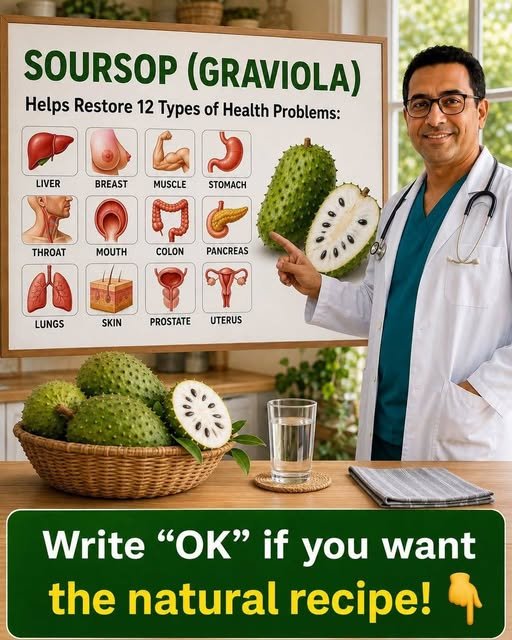
Soursop is a tropical fruit known for its prickly green skin, soft white flesh, and distinctive flavor that combines sweet and tangy notes. Also called graviola or guanabana, this fruit is popular in parts of the Caribbean, Central America, South America, Africa, and Southeast Asia. People enjoy it fresh, blended into smoothies, or prepared as juice, sorbet, and other refreshing treats.
Beyond its unique taste, soursop contains vitamin C, dietary fiber, and other naturally occurring plant compounds that make it an interesting addition to a balanced diet. It has also attracted attention because researchers are studying its antioxidant properties and other substances found in the fruit and its leaves.
However, it is important to distinguish between established nutritional benefits and health claims that have not been proven in humans. Soursop can contribute to a healthy eating pattern, but it is not a cure for cancer, diabetes, high blood pressure, or other diseases.
In this guide, discover the potential benefits of soursop, its nutritional value, ways to enjoy it, and important precautions to know before consuming it regularly.
What Is Soursop?
Soursop comes from the tropical fruit tree Annona muricata. Its large, heart-shaped fruit has green skin covered with soft, pointed projections. Inside, the fruit contains white, juicy flesh with a sweet-sour flavor and dark seeds.
The fruit is sometimes compared to a combination of pineapple, strawberry, and citrus, although its exact taste varies with ripeness.
Soursop is available in several forms:
- Fresh fruit: The ripe white flesh can be eaten after removing the skin and seeds.
- Smoothies: The flesh can be blended with water, milk, or yogurt.
- Juice: Soursop can be used to make a refreshing drink, preferably with little or no added sugar.
- Frozen desserts: Its creamy texture makes it suitable for sorbets and fruit-based desserts.
- Packaged products: Frozen pulp and canned or bottled soursop products are available in some markets.
- Leaf preparations: Soursop leaves are used in traditional remedies, but their safety and effectiveness are not well established.
For most people interested in its nutritional value, the edible fruit is the most sensible place to start.
1. Provides Vitamin C for Normal Immune Function
One of the most useful nutritional features of soursop is its vitamin C content. Vitamin C supports normal immune system function and helps the body produce collagen, a protein needed for healthy skin, blood vessels, bones, and connective tissues.
It also helps protect cells from oxidative damage by acting as an antioxidant.
Eating vitamin C-containing fruits such as soursop can help contribute to your daily vitamin C intake. However, no single fruit can prevent every infection or replace appropriate medical care.
How to enjoy it: Eat a serving of fresh soursop flesh or add a small amount to a smoothie with other fruits.
2. Contains Antioxidant Plant Compounds
Soursop contains naturally occurring plant compounds, including phenolic substances and other compounds that researchers are investigating for their antioxidant activity.
Antioxidants help protect cells from oxidative stress, which is associated with normal aging and several chronic disease processes. A diet containing a variety of fruits and vegetables supplies different antioxidants and other beneficial nutrients.
Laboratory studies have identified antioxidant activity in soursop extracts. However, laboratory findings do not automatically mean that eating the fruit will prevent or treat a particular disease in humans.
Practical tip: Enjoy soursop as part of a varied diet that also includes berries, citrus fruits, leafy greens, beans, and other nutrient-rich foods.
3. Supports Digestive Health Through Fiber
Soursop provides dietary fiber, which plays an important role in digestive health. Fiber can help support regular bowel movements and contributes to a healthy overall eating pattern.
Getting enough fiber from fruits, vegetables, whole grains, and legumes can help reduce constipation in many people. Fiber also contributes to fullness after meals.
The amount of fiber you obtain from soursop depends on the serving size and whether you consume the whole edible flesh or drink strained juice.
Best approach: Choose the whole fruit or unstrained pulp when practical, because straining juice removes some of the fiber. Increase fiber intake gradually and drink enough water.
4. Contributes to Healthy Skin
Soursop can contribute nutrients that help maintain healthy skin, particularly vitamin C.
The body uses vitamin C to make collagen, which supports skin structure. Adequate vitamin C intake also helps protect cells from oxidative stress.
Nevertheless, eating soursop will not automatically remove wrinkles, eliminate acne, or reverse skin aging. Skin health depends on many factors, including genetics, sun exposure, sleep, hydration, and overall nutrition.
For a practical skin-supporting routine, eat a variety of fruits and vegetables, use sun protection, and follow a gentle skincare routine suited to your skin.
Avoid applying homemade soursop leaf extracts or fruit mixtures to irritated skin, as their effects and potential to cause irritation are not well established.
5. Provides Nutrients That Support Normal Body Function
Soursop contains several nutrients, including potassium, which is needed for normal muscle function, nerve signaling, and fluid balance.
Potassium is also involved in maintaining normal blood pressure as part of an overall healthy diet. However, the potassium content of an ordinary serving of soursop should not be treated as a medical treatment for hypertension.
People with kidney disease or those advised to limit potassium should follow their healthcare professional’s dietary guidance rather than assuming that all fruits are appropriate in unlimited amounts.
Simple tip: Include soursop alongside a variety of other fruits instead of relying on a single food to meet your nutritional needs.
6. May Help You Feel Satisfied After Eating
Whole soursop contains water and dietary fiber, both of which contribute to the volume of food you eat. Including whole fruit in a balanced meal or snack may help you feel satisfied.
Replacing some highly processed snacks or sugary desserts with whole fruit can be a useful dietary habit. However, soursop is not a proven fat-burning food, and eating it alone will not cause weight loss.
If you are watching your calorie intake, pay attention to portion sizes and avoid adding large amounts of sugar, sweetened condensed milk, or syrup to soursop drinks and desserts.
7. May Fit into a Heart-Healthy Eating Pattern
A balanced diet that emphasizes fruits, vegetables, whole grains, legumes, nuts, and appropriate sources of protein can support cardiovascular health.
Soursop can contribute to this pattern by supplying fruit, fiber, vitamin C, and other plant compounds. Its potassium content may also contribute to normal blood pressure regulation when consumed as part of an appropriate diet.
However, there is not enough strong human evidence to claim that soursop itself prevents heart attacks, clears blocked arteries, lowers cholesterol to a predictable degree, or treats heart disease.
For heart health, focus on the overall pattern of eating, regular physical activity, avoiding tobacco, and following prescribed treatment for conditions such as high blood pressure or high cholesterol.
8. Contains Compounds Being Studied for Their Biological Effects
Soursop has attracted scientific interest because it contains acetogenins and other naturally occurring compounds. Researchers have investigated some of these substances in laboratory experiments, including studies involving cancer cells.
These findings have led to online claims that soursop can cure cancer. Such claims are not supported by reliable clinical evidence.
A substance that affects cancer cells in a laboratory may not be effective or safe when consumed by humans. Its concentration, absorption, effects on healthy cells, and potential interactions with medication all matter.
Important: Soursop fruit, juice, leaf tea, and supplements must not be used as substitutes for cancer screening or established cancer treatment. Anyone receiving cancer treatment should discuss herbal products and supplements with their oncology team before using them.
9. Can Add Variety to a Balanced Diet
Eating a wide variety of fruits helps provide different nutrients and makes healthy eating more enjoyable. Soursop offers a flavor and texture that differ from common fruits such as apples, bananas, and oranges.
It can be used in breakfast smoothies, fruit bowls, homemade frozen desserts, and refreshing snacks. This variety may make it easier to maintain a balanced eating pattern over time.
The most useful benefit is not that soursop has a special ability to cure disease, but that it can be one enjoyable component of a diverse diet.
Soursop Fruit vs. Soursop Leaves: What Is the Difference?
Although they come from the same plant, soursop fruit and its leaves should not be considered interchangeable.
Soursop fruit: The ripe edible flesh can be eaten as food after the skin and seeds are removed. It provides nutrients such as vitamin C and fiber.
Soursop leaves: Leaves are used in some traditional preparations, including teas and extracts. These products can contain different concentrations of plant compounds from the fruit, and their safety and effectiveness have not been established for treating disease.
Leaf extracts and concentrated supplements may carry risks that are not present in the same way when eating ordinary servings of the fruit. Avoid assuming that a stronger or more concentrated preparation provides greater health benefits.
How to Eat Soursop Safely
If you want to try soursop, these simple steps can help you enjoy it as food.
- Choose ripe fruit. Look for fruit that yields slightly to gentle pressure and has a pleasant aroma. Avoid fruit with extensive mold or signs of spoilage.
- Wash the outside. Rinse the fruit under clean running water before cutting it.
- Remove the skin. The outer skin is not normally eaten.
- Remove every seed. Do not chew or crush the seeds. They contain potentially toxic compounds and should not be consumed.
- Eat the edible flesh. Enjoy it plain or blend it into a smoothie.
- Limit added sugar. If making juice or a smoothie, try the fruit without added sugar first.
- Start with a modest serving. If you have not eaten soursop before, a small serving can help you assess your tolerance.
Easy Soursop Smoothie Recipe
This simple smoothie lets you enjoy the fruit without adding unnecessary sugar.
Ingredients
- ½ cup ripe soursop flesh, with all seeds removed
- ½ cup plain yogurt or unsweetened milk
- ½ small banana, optional
- ¼ cup cold water, as needed
- A few ice cubes, optional
Instructions
- Place the seed-free soursop flesh in a blender.
- Add the yogurt or milk and the optional banana.
- Blend until smooth, adding a little water if the mixture is too thick.
- Add ice if desired and blend briefly.
- Taste before adding any sweetener. The ripe fruit may already provide enough sweetness.
- Serve immediately.
For a lighter version, use water and a little extra fruit instead of sweetened milk or flavored yogurt.
Important Side Effects and Precautions
Soursop is not suitable for everyone in every form. Pay attention to the following precautions before making it a regular part of your diet.
1. Avoid the Seeds
Soursop seeds contain potentially toxic compounds. Do not eat, chew, crush, or blend the seeds into drinks. Carefully remove them from the flesh before preparation.
2. Be Cautious with Leaf Tea and Supplements
Soursop leaves and concentrated extracts have not been adequately established as safe or effective for treating health conditions. Some compounds associated with the plant have raised concerns about potential effects on the nervous system, particularly with repeated or high exposure.
Avoid self-medicating with soursop leaf tea, capsules, or concentrated extracts, especially for long periods.
3. Consider Blood Pressure and Blood Sugar Medications
Soursop preparations may affect blood pressure or blood sugar, although the extent of these effects in humans is not well established. People taking medicines for high blood pressure or diabetes should speak with a healthcare professional before using concentrated products or medicinal preparations.
Do not stop or adjust prescribed medication because of claims about soursop.
4. People with Kidney Disease Should Seek Advice
Soursop contains potassium. People with chronic kidney disease, elevated blood potassium, or a prescribed potassium restriction may need individualized advice about appropriate fruit portions.
5. Avoid Using Soursop as a Disease Treatment
There is no reliable clinical evidence that soursop cures cancer, reverses diabetes, treats kidney disease, or replaces medication for high blood pressure. Claims promising rapid or guaranteed results should be treated with caution.
6. Pregnancy and Breastfeeding
There is insufficient reliable safety information about medicinal doses of soursop, leaf tea, and concentrated extracts during pregnancy and breastfeeding. It is prudent to avoid these preparations unless a qualified healthcare professional advises otherwise. Ask your healthcare provider about dietary use if you have specific concerns.
7. Watch for Allergic Reactions
As with any food, an allergic reaction is possible. Stop eating soursop if you develop symptoms such as itching, hives, swelling, or breathing difficulty. Seek emergency care for breathing problems or swelling of the tongue or throat.
Frequently Asked Questions
1. Can I eat soursop every day?
An ordinary serving of ripe, seed-free soursop may fit into a varied diet for many healthy adults. However, there is no established ideal daily dose for preventing or treating disease. People with kidney disease, relevant medication use, or other medical concerns should seek individualized advice.
2. Is soursop good for the immune system?
Soursop provides vitamin C, which supports normal immune function. It is one of many foods that can help you meet your nutritional needs, but it does not guarantee protection from infections.
3. Does soursop cure cancer?
No. There is no reliable clinical evidence that eating soursop or drinking soursop leaf tea cures cancer. Laboratory research is not proof of a successful human treatment. Do not replace medical care with soursop products.
4. Is soursop juice better than eating the fruit?
Whole fruit generally provides more fiber than strained juice. Juice may also be easier to consume in large quantities, particularly when sugar is added. If you enjoy juice, use modest portions and avoid unnecessary sweeteners.
5. Can soursop help lower blood pressure?
Soursop provides potassium, a nutrient involved in normal blood pressure regulation. However, strong evidence that soursop itself treats high blood pressure is lacking. Follow your prescribed treatment and dietary advice.
6. Is soursop suitable for people with diabetes?
Whole soursop contains carbohydrates and natural sugars, so portion size matters. Some people with diabetes may be able to include it in their meal plan, but sweetened juices and desserts can contain considerably more sugar. Individualize portions according to your blood glucose response and healthcare professional’s advice.
7. Are soursop leaves more powerful than the fruit?
Not necessarily. Leaves and fruit have different chemical compositions, and a higher concentration of a plant compound does not automatically mean greater health benefits. Concentrated leaf products may also carry additional safety risks.
8. What does soursop taste like?
Soursop has a sweet, slightly tangy flavor. Many people describe it as tropical and creamy, with notes reminiscent of pineapple and other sweet-sour fruits.
Final Thoughts
Soursop is a distinctive tropical fruit that can add flavor and variety to a balanced diet. Its vitamin C, dietary fiber, potassium, and naturally occurring plant compounds make it an interesting food to explore.
The most sensible way to enjoy soursop is to eat the ripe flesh, remove all seeds, limit added sugar, and treat it as one part of an overall healthy eating pattern. Its potential nutritional benefits should not be confused with unproven claims about curing serious diseases.
Although scientific researchers continue to investigate compounds found in soursop, more high-quality human research is needed before medicinal benefits can be established. Be particularly cautious with leaf teas, concentrated extracts, and supplements.
Enjoy soursop for its taste and nutritional contribution, and rely on qualified medical advice for the prevention and treatment of health conditions.
SEO Details
SEO Title: 9 Amazing Benefits of Soursop: Nutrition and Safety Guide
Meta Description: Discover the potential benefits of soursop, including vitamin C, fiber, antioxidants, nutrition facts, safe ways to eat it, and important precautions.
Focus Keyword: Benefits of Soursop
URL Slug: amazing-benefits-of-soursop
Related Keywords: soursop fruit benefits, graviola fruit nutrition, soursop health benefits, soursop fruit side effects, how to eat soursop, soursop fruit nutrition, soursop leaves safety, soursop antioxidant compounds