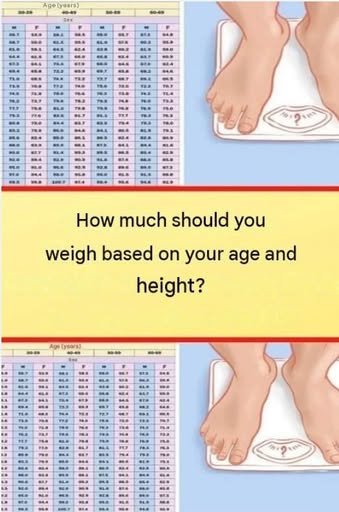
When people ask, “What is my ideal weight?”, they often expect one exact number based on their height or age. In reality, there is no single weight that is perfect for everyone.
A healthy body weight depends on several factors, including height, body composition, muscle mass, waist size, age, sex, lifestyle, and overall health. One of the most commonly used starting points is Body Mass Index (BMI), but BMI is only a screening tool and should not be used by itself to judge someone’s health.
The goal isn’t simply to reach a particular number on the scale. A more useful goal is to maintain a weight and lifestyle that support your heart, metabolism, mobility, energy, and long-term health.
What Is Considered a Healthy Weight?
For adults age 20 and older, the CDC and NHLBI generally classify BMI as follows:
| BMI | Category |
|---|---|
| Below 18.5 | Underweight |
| 18.5–24.9 | Healthy weight |
| 25.0–29.9 | Overweight |
| 30 or higher | Obesity |
These categories are useful for screening, but they do not tell the complete story about an individual’s health.
For example, someone who has considerable muscle mass may have a BMI in the overweight range even though they have relatively little body fat. BMI cannot distinguish muscle, fat, and bone.
How Is BMI Calculated?
BMI compares your weight with your height.
The metric formula is:
BMI = weight in kilograms ÷ height in meters²
For example, if someone weighs 70 kg and is 1.75 meters tall:
70 ÷ (1.75 × 1.75) = BMI 22.9
That falls within the standard healthy BMI range for adults.
BMI can provide a useful starting point, but it should be considered alongside other health information such as blood pressure, cholesterol, blood sugar, physical activity, medical history, and body-fat distribution.
Ideal Weight by Height
Instead of looking for one exact “perfect” weight, you can estimate a healthy weight range using the adult BMI range of 18.5–24.9.
Approximate ranges include:
| Height | Approximate Healthy Weight Range |
|---|---|
| 5’0″ (152 cm) | 43–58 kg |
| 5’2″ (157 cm) | 46–62 kg |
| 5’4″ (163 cm) | 49–66 kg |
| 5’6″ (168 cm) | 52–70 kg |
| 5’8″ (173 cm) | 55–75 kg |
| 5’10” (178 cm) | 59–79 kg |
| 6’0″ (183 cm) | 62–83 kg |
| 6’2″ (188 cm) | 65–88 kg |
| 6’4″ (193 cm) | 69–93 kg |
These are mathematical estimates based on the standard adult BMI range, not individualized medical targets.
A person who exercises regularly and has a high amount of muscle may naturally weigh more than someone of the same height with less muscle.
Why Waist Size Matters
Your weight isn’t the only measurement that matters.
Where your body stores fat is also important. Fat concentrated around the abdomen is associated with higher risks of conditions such as cardiovascular disease and type 2 diabetes.
NHLBI notes that a waist circumference above approximately 40 inches (102 cm) for men or 35 inches (88 cm) for women is associated with increased health risk.
To measure your waist:
- Stand upright and relax your abdomen.
- Place a measuring tape around your middle, just above your hipbones.
- Breathe out normally.
- Take the measurement without pulling the tape tightly against your skin.
Waist measurement can provide useful information that BMI alone cannot.
Is BMI Always Accurate?
No.
BMI is useful because it is inexpensive, simple, and easy to calculate, but it has limitations.
It does not directly measure:
- Body fat percentage
- Muscle mass
- Bone mass
- Where body fat is stored
- Fitness level
- Overall metabolic health
For example, a muscular person may have a relatively high BMI because muscle contributes to body weight.
Likewise, someone can have a BMI within the healthy range but still have a relatively high amount of abdominal fat.
That’s why healthcare professionals may consider BMI together with waist circumference, blood pressure, blood tests, medical history, physical examination, and lifestyle factors.
Does Age Change Your Ideal Weight?
Age doesn’t automatically give you a specific “ideal weight.”
However, body composition can change as people get older. Muscle mass may decline while body fat can increase, sometimes without a dramatic change in body weight.
This means that maintaining muscle through appropriate strength training, adequate nutrition, and regular physical activity can be important as you age.
Rather than trying to return to the exact weight you had decades ago, focus on maintaining strength, mobility, cardiovascular health, and a healthy body composition.
What About Men and Women?
The standard adult BMI categories are generally applied to both men and women. However, men and women can have different patterns of muscle mass and body-fat distribution.
That’s one reason BMI should not be interpreted in isolation.
A healthcare professional can take sex, age, medical history, medications, body composition, waist circumference, and other measurements into account when evaluating an individual’s weight.
What Is a Healthy Weight for Older Adults?
For older adults, the scale shouldn’t be the only measure of health.
Maintaining muscle strength, balance, mobility, adequate nutrition, and independence becomes particularly important.
Unintentional weight loss can also deserve attention, especially if it happens without changes in diet or exercise.
Likewise, significant weight gain may increase the risk of conditions such as high blood pressure, type 2 diabetes, and cardiovascular disease.
If your weight is changing unexpectedly, discussing it with a healthcare professional is more useful than simply trying to reach a particular number.
How Much Weight Loss Is Actually Helpful?
You don’t necessarily need to lose a huge amount of weight to see health improvements if you have overweight or obesity.
NHLBI notes that even a 3%–5% reduction in body weight can improve some metabolic measures, while healthcare professionals commonly recommend an initial goal of around 5%–10% weight loss over approximately six months when weight loss is medically appropriate.
For example, someone weighing 100 kg would see:
- 3% loss = 3 kg
- 5% loss = 5 kg
- 10% loss = 10 kg
The appropriate target varies from person to person.
Healthy Weight Is More Than a Number
A healthy weight is only one part of overall health.
Other useful indicators include:
Blood Pressure
Healthy blood pressure is important for cardiovascular and kidney health.
Cholesterol
Blood cholesterol levels can provide information about cardiovascular risk that a bathroom scale cannot.
Blood Sugar
Blood glucose and A1C can help assess diabetes and prediabetes risk when medically appropriate.
Physical Fitness
Being able to walk, climb stairs, lift objects, and perform daily activities comfortably is an important part of health.
Diet Quality
A nutritious diet based around vegetables, fruits, whole grains, legumes, nuts, seeds, lean proteins, and other minimally processed foods can support healthy weight management.
Sleep
Poor sleep can make healthy eating and weight management more difficult.
How to Reach and Maintain a Healthy Weight
There is no single diet that works for everyone. Sustainable habits are generally more useful than extreme short-term approaches.
1. Prioritize Protein and Fiber
Protein-rich foods and high-fiber foods can help make meals more satisfying.
Examples include:
- Eggs
- Fish
- Chicken
- Beans and lentils
- Greek yogurt
- Vegetables
- Fruits
- Oats
- Whole grains
- Nuts and seeds
2. Eat More Whole Foods
Build most meals around minimally processed foods and limit foods that are particularly high in added sugars, refined carbohydrates, and excess calories.
3. Stay Physically Active
Regular activity supports cardiovascular health, muscle strength, mobility, and weight management.
Walking, cycling, swimming, resistance training, and other enjoyable activities can all have a place in a healthy lifestyle.
4. Build Muscle
Strength training can help maintain or increase muscle mass, which becomes particularly important with aging.
5. Avoid Extreme Diets
Very restrictive diets can be difficult to maintain and may not provide adequate nutrition.
A gradual approach is often more sustainable.
6. Monitor Progress Without Obsessing Over the Scale
Weight naturally fluctuates because of hydration, food intake, sodium, hormones, and other factors.
Look at longer-term trends rather than judging your health from a single day’s weight.
What If You’re Already in the “Healthy” BMI Range?
Being within the standard BMI range doesn’t automatically mean everything is perfect.
Continue paying attention to:
- Waist circumference
- Blood pressure
- Cholesterol
- Blood sugar
- Physical activity
- Diet quality
- Sleep
- Strength and fitness
- Changes in weight over time
Likewise, being outside the BMI range doesn’t automatically mean that you are unhealthy.
BMI is a screening measure, not a diagnosis.
When Should You Talk to a Doctor?
Consider speaking with a healthcare professional if you experience:
- Unexplained weight loss
- Rapid or unexplained weight gain
- Persistent difficulty losing weight
- Significant changes in appetite
- Fatigue or weakness associated with weight changes
- Symptoms suggesting diabetes or thyroid problems
- Concerns about eating patterns or restrictive dieting
- A significant change in your usual body weight
A professional can determine whether an underlying medical issue, medication, nutritional problem, or lifestyle factor is contributing to the change.
Frequently Asked Questions
What is the ideal weight for my height?
There isn’t one exact ideal weight. For adults, a BMI of 18.5–24.9 is commonly used to estimate a healthy weight range, but individual factors matter.
Is BMI the same as body fat percentage?
No. BMI uses height and weight and does not directly measure body fat.
Can someone have a normal BMI but still have excess belly fat?
Yes. BMI does not show where body fat is stored, which is why waist circumference can provide additional information.
Is being slightly overweight always unhealthy?
BMI is a screening tool rather than a complete diagnosis. Health risk depends on several factors, including waist size, blood pressure, blood sugar, cholesterol, fitness, medical history, and body composition.
Should I try to reach the lowest possible weight in the healthy range?
Not necessarily. There is no need to pursue the lowest possible number simply because it falls within a mathematical range. A sustainable weight that supports good nutrition, strength, energy, and overall health is a more useful goal.
Can muscle make my BMI higher?
Yes. BMI cannot distinguish muscle from fat, so muscular individuals can have a higher BMI without having the same body-fat pattern as someone with excess body fat.
Final Thoughts
The idea of an “ideal weight” can make healthy living seem like a search for one perfect number. In reality, healthy body weight is better understood as a range rather than a single target.
BMI can provide a useful starting point, while waist circumference, body composition, blood pressure, blood sugar, cholesterol, fitness, nutrition, and overall well-being provide additional context.
The most meaningful goal is not simply to make the scale display a particular number. It’s to build sustainable habits that help you maintain a healthy body, stay strong and active, and reduce your risk of chronic disease over time.
SEO Title: What Is an Ideal Weight? Complete Guide to Healthy Body Weight
Meta Description: What is the ideal weight for your height and age? Learn how BMI, waist circumference, body composition, and healthy habits help determine a healthy body weight.
Focus Keyword: ideal weight
Secondary Keywords: healthy weight, ideal weight by height, healthy BMI, BMI chart, healthy body weight, weight range by height
Category: Health & Wellness