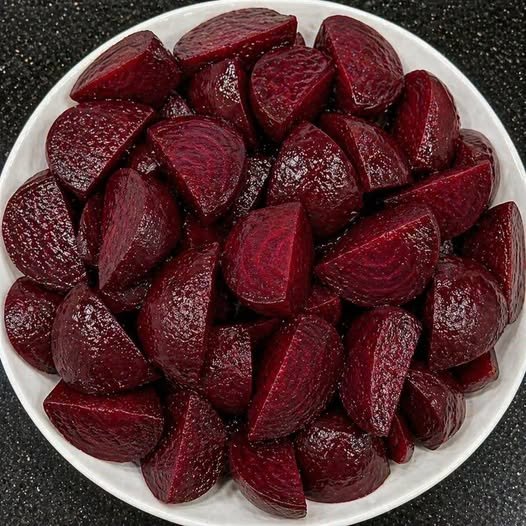
Beetroot is one of those vegetables that stands out for its deep red-purple color, earthy flavor, and impressive nutritional profile. Whether you eat it roasted, boiled, grated into salads, or blended into a smoothie, adding beetroot to your meals can provide several useful nutrients and plant compounds.
One of the most interesting components of beetroot is dietary nitrate, which the body can convert into nitric oxide. Nitric oxide helps blood vessels relax and widen, which is one reason researchers have studied beetroot for cardiovascular and blood-pressure benefits.
1. May Support Healthy Blood Pressure
This is one of the best-studied potential benefits of beetroot.
Clinical research on beetroot juice has found that nitrate-rich beetroot can produce a modest reduction in blood pressure, particularly systolic blood pressure. A meta-analysis of randomized trials in people with hypertension found an average systolic reduction of about 5 mmHg compared with controls.
However, beetroot should be viewed as a food that may support cardiovascular health, not as a replacement for prescribed blood-pressure medication.
2. Supports Healthy Blood Flow
The nitrates in beetroot can contribute to nitric oxide production. Nitric oxide plays an important role in regulating blood-vessel tone and circulation.
This may help explain why beetroot and beetroot juice have been studied for blood-flow and cardiovascular effects.
3. Provides Protective Plant Compounds
Beetroot contains colorful compounds called betalains, along with other phytonutrients such as polyphenols and flavonoids.
These compounds contribute to the vegetable’s distinctive color and antioxidant activity. Eating a variety of colorful vegetables is a useful way to increase the diversity of plant compounds in your diet.
4. May Support Exercise Performance
Beetroot’s nitrate content has attracted considerable interest in sports nutrition. Nitric oxide can influence blood flow and oxygen utilization, which may be relevant during physical activity.
Research has therefore investigated beetroot juice as a potential nutritional strategy for exercise performance, although individual responses vary.
5. Contains Useful Nutrients
Beetroot provides several nutrients while being relatively low in calories. It also contributes dietary fiber, folate, potassium, and other micronutrients.
Eating the whole vegetable rather than relying exclusively on juice also gives you the benefit of its fiber.
6. May Support Digestive Health
Whole beetroot contains dietary fiber, which contributes to normal bowel function and can help support a healthy digestive system.
For this reason, roasted or boiled beetroot, grated beetroot in salads, or beetroot incorporated into meals can be more nutritionally complete choices than drinking only beetroot juice.
7. May Be Helpful for a Heart-Healthy Diet
Beetroot can fit easily into an overall heart-conscious eating pattern that includes vegetables, fruits, whole grains, legumes, nuts, fish or other healthy protein sources, and limited highly processed foods.
The important point is that no single vegetable can prevent heart disease by itself. Its benefits are best considered as part of an overall healthy dietary pattern.
How Much Beetroot Should You Eat?
There is no universally required daily amount of beetroot.
A practical approach is to include a moderate serving as part of your normal meals. You can try:
- Roasted beetroot as a side dish
- Grated beetroot in salads
- Boiled beetroot with yogurt
- Beetroot hummus
- Beetroot mixed into vegetable soups
- A small serving of beetroot juice
Research on blood pressure has often used beetroot juice rather than ordinary food portions, so study doses should not automatically be treated as a recommended daily amount.
Beetroot Juice vs. Whole Beetroot
Both can be nutritious, but they are not identical.
Whole beetroot: Provides fiber and can be incorporated into a complete meal.
Beetroot juice: Concentrates the vegetable’s nitrates but generally contains less fiber and can be easier to consume in large quantities.
For everyday nutrition, whole beetroot is a simple choice.
One Important Thing to Know: Red Urine or Stool
Don’t be alarmed if your urine or stool becomes pink, red, or reddish-purple after eating beets. This can happen because of beet pigments and is commonly called beeturia.
However, if you see unexplained blood in your urine or stool, don’t automatically assume it is from beetroot—especially if you haven’t recently eaten beets. Seek medical advice if the discoloration is unexplained or persistent.
Who Should Be Careful?
Beetroot is generally considered a healthy food, but people with certain medical conditions may need individualized dietary advice.
Because nitrate-rich beetroot may lower blood pressure modestly, people taking blood-pressure medication or those who already have unusually low blood pressure should discuss significant increases in beetroot juice intake with their healthcare professional.
People who have been advised to limit potassium or follow a kidney-specific diet should also ask their clinician or dietitian about appropriate portions.
The Bottom Line
Beetroot is more than just a colorful vegetable. Its dietary nitrates, fiber, folate, potassium, betalains, and other plant compounds make it a nutritious addition to a balanced diet.
The strongest human evidence surrounding beetroot involves blood-vessel function and modest blood-pressure effects, particularly with nitrate-rich beetroot juice. But beetroot is not a cure for hypertension, heart disease, diabetes, or other medical conditions.
For most people, the simplest approach is to enjoy beetroot regularly as part of a varied diet rather than treating it as a miracle food.
SEO Details
SEO Title: Beetroot Benefits: 7 Reasons to Eat More Beets
Meta Description: Discover the potential health benefits of beetroot, including its nutrients, dietary nitrates, blood-pressure effects, antioxidants, fiber, and more.
Focus Keyword: beetroot benefits
Slug: beetroot-benefits
Category: Health & Nutrition
Tags: beetroot benefits, beetroot nutrition, beets, healthy vegetables, blood pressure, heart health, healthy eating