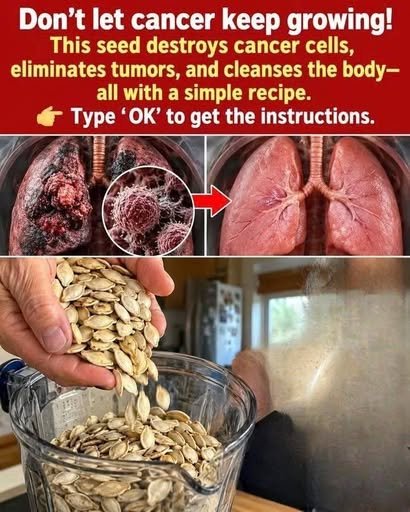
Pumpkin seeds are small, crunchy, and packed with nutrients, but social media often gives them a much bigger medical role than the evidence supports. You may have seen claims that pumpkin seeds can “destroy cancer cells,” “eliminate tumors,” or “cleanse the body.”
Those claims are far too strong.
What is true is that pumpkin seeds are a nutritious food containing protein, healthy fats, fiber, magnesium, zinc, and other nutrients. Including them as part of an overall healthy eating pattern can contribute to good nutrition. Research on diet and cancer prevention focuses much more on the overall dietary pattern than on one particular food.
Can Pumpkin Seeds Destroy Cancer Cells?
There is currently no evidence that eating pumpkin seeds or drinking a pumpkin-seed mixture can destroy cancer cells or eliminate tumors in people.
Some compounds found in plants and seeds have been investigated in laboratory research, but results from cells in a laboratory or from animal studies do not mean that eating the food will produce the same effect in humans.
The National Center for Complementary and Integrative Health advises people with cancer not to replace or delay proven medical treatment with unproven nutritional products or remedies.
Why Are Pumpkin Seeds Still Worth Eating?
Even though they aren’t a cancer cure, pumpkin seeds can be a valuable addition to a balanced diet.
1. They Provide Plant Protein
Pumpkin seeds contain protein, making them a convenient addition to meals, oatmeal, yogurt, salads, and snacks.
Protein is important for maintaining muscles and supporting normal body functions.
2. They’re Rich in Magnesium
Pumpkin seeds are a useful dietary source of magnesium. This mineral is involved in numerous processes throughout the body, including normal muscle and nerve function.
3. They Contain Healthy Fats
Most of the fat in pumpkin seeds is unsaturated fat. Replacing some foods high in saturated fat with foods containing unsaturated fats can be part of a heart-healthy eating pattern.
4. They Add Fiber
Whole pumpkin seeds contain dietary fiber, which supports normal digestive health and can help make meals more satisfying.
5. They Provide Zinc and Other Nutrients
Pumpkin seeds also provide zinc, iron, phosphorus, copper, and other nutrients in varying amounts.
The nutritional value of a food matters, but it should be considered as part of the whole diet rather than as a treatment for a specific disease.
A Simple Pumpkin Seed Snack
Instead of promoting pumpkin seeds as a cancer treatment, try this simple nutrient-rich snack.
Ingredients
- ¼ cup unsalted pumpkin seeds
- ½ cup plain yogurt
- ½ cup berries or chopped fruit
- 1 teaspoon chia seeds, optional
- A small sprinkle of cinnamon, optional
Directions
- Add the yogurt to a bowl.
- Top with the berries or chopped fruit.
- Sprinkle pumpkin seeds and chia seeds over the top.
- Add a little cinnamon if desired.
- Enjoy as a breakfast or snack.
This combination provides protein, healthy fats, fiber, and a variety of nutrients without relying on a supposed “miracle” ingredient.
Can Pumpkin Seeds Help Prevent Cancer?
It’s important to be precise here.
Cancer prevention isn’t about finding one food that eliminates cancer risk. The American Institute for Cancer Research emphasizes an overall pattern that includes a variety of vegetables, fruits, whole grains, beans, nuts, and other plant foods.
Pumpkin seeds can fit comfortably into that type of eating pattern.
But saying that pumpkin seeds themselves prevent or cure cancer goes beyond the available evidence.
What About “Cleansing the Body”?
You may also see recipes claiming that pumpkin seeds “cleanse the blood,” “flush toxins,” or remove tumors from the body.
There is no good evidence that a pumpkin-seed drink or recipe can perform these functions.
Your body already has organs such as the liver and kidneys that continuously process and eliminate waste. A healthy diet supports normal body function, but there is no special pumpkin-seed detox that has been proven to remove cancer from the body.
If Someone Already Has Cancer
This is particularly important.
A nutritious diet can be valuable during cancer treatment, but food should not be presented as a substitute for surgery, chemotherapy, radiation, immunotherapy, targeted therapy, or other treatments recommended by an oncology team.
The NCCIH specifically advises people with cancer to discuss complementary products and approaches with their healthcare providers and not to use unproven approaches to replace or delay medical treatment.
A Better Way to Think About “Cancer-Fighting Foods”
Instead of asking, “Which single food kills cancer?” a more useful question is:
“How can I build an eating pattern that supports overall health and may help reduce cancer risk?”
That means eating a variety of:
- Vegetables
- Fruits
- Whole grains
- Beans and lentils
- Nuts and seeds
- Other minimally processed plant foods
It also means limiting factors associated with increased cancer risk, such as tobacco use, excessive alcohol consumption, processed meats, and excess body weight where applicable.
Final Thoughts
Pumpkin seeds deserve a place in a healthy diet because they are nutritious and versatile—not because they are a miracle cancer treatment.
They provide protein, healthy fats, minerals, and other nutrients that can contribute to a balanced diet. But there is no simple pumpkin-seed recipe proven to destroy cancer cells, eliminate tumors, or cure cancer.
If you enjoy pumpkin seeds, add them to yogurt, oatmeal, salads, soups, or homemade snack mixes and think of them as one nutritious part of a much bigger picture.
SEO Details
SEO Title: Pumpkin Seeds and Cancer: Benefits, Facts & What Science Says
Meta Description: Can pumpkin seeds destroy cancer cells? Learn what pumpkin seeds provide nutritionally, what research says, and why they should not replace cancer treatment.
Focus Keyword: pumpkin seeds and cancer
Slug: pumpkin-seeds-and-cancer
Category: Health & Wellness
Tags: Pumpkin Seeds, Pumpkin Seed Benefits, Cancer Prevention, Healthy Foods, Nutrition, Healthy Snacks, Cancer Myths