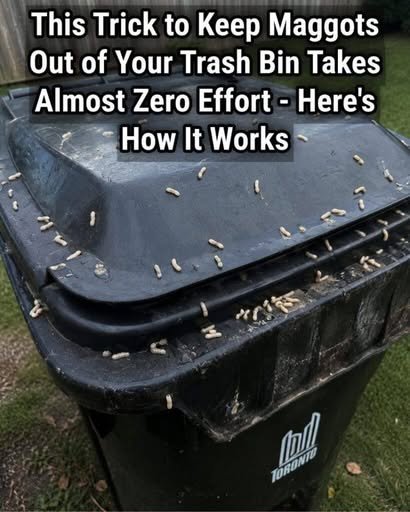
Opening your trash bin and discovering a mass of tiny white maggots can be unpleasant, but the problem is usually easier to control than it looks.
Maggots are fly larvae. They typically appear when flies lay eggs in moist, decomposing organic material—especially food scraps, meat, pet waste, or other material sitting in a warm garbage bin.
The key to getting rid of them is not simply killing the visible larvae. You also need to remove the conditions that attract flies in the first place.
Here’s a simple step-by-step approach.
1. Empty the Bin Completely
Start by removing all garbage from the bin.
Use a sturdy garbage bag and avoid leaving any food scraps behind. Check the bottom and corners carefully because liquid from decomposing food can collect underneath the garbage bag.
If possible, take the garbage directly to the appropriate collection area rather than leaving it sitting nearby.
2. Remove the Maggots Safely
If maggots are visible inside the empty bin, don’t handle them with bare hands.
Wear disposable gloves and use a brush, scraper, or disposable tool to remove the larvae and contaminated debris.
The goal is to eliminate both the larvae and the organic material they are feeding on.
3. Wash the Trash Bin Thoroughly
Once the bin is empty, rinse it with plenty of water.
Then scrub the inside, bottom, lid, and handles with hot soapy water and a stiff brush.
Pay particular attention to cracks, grooves, and the area around the lid where food residue can remain.
After cleaning, rinse thoroughly.
4. Let the Bin Dry Completely
This step is easy to overlook.
Maggots thrive where flies have access to moisture and decomposing organic material. After washing your bin, allow it to dry completely before putting a new garbage bag inside.
If possible, leave it outdoors in a well-ventilated area until all surfaces are dry.
5. Keep Food Waste Sealed
One of the most effective ways to prevent maggots is to make food waste less accessible to flies.
Instead of throwing loose food scraps directly into the main bin:
- Put food waste into a tightly closed bag.
- Tie the bag securely before placing it in the bin.
- Avoid leaving meat scraps exposed.
- Wrap fish and meat packaging carefully.
- Empty particularly smelly food waste promptly.
The less accessible the food is, the fewer opportunities flies have to lay eggs.
6. Don’t Let Garbage Sit for Too Long
Warm weather can accelerate decomposition and make garbage much more attractive to flies.
If your household produces food waste regularly, avoid allowing it to sit in the bin for many days.
Take garbage out according to your local collection schedule, and consider removing particularly wet or odorous waste sooner when possible.
7. Keep the Lid Closed
A trash-bin lid isn’t just for keeping rain out.
It also helps prevent flies and other insects from reaching the waste.
Make sure the lid closes properly. If it is cracked, missing, or unable to stay closed, replacing it can make a noticeable difference.
8. Keep the Area Around the Bin Clean
Sometimes the problem isn’t only inside the trash can.
Check the surrounding area for:
- Food scraps
- Leaking garbage bags
- Pet waste
- Fallen fruit
- Spilled drinks
- Dirty recycling containers
- Standing water
Clean up anything that could attract flies.
9. Try a Simple Odor-Control Method
After cleaning and drying the bin, you can place a small amount of baking soda at the bottom before inserting a fresh garbage bag.
Baking soda can help reduce unpleasant odors, although it isn’t a substitute for proper cleaning or removing food waste.
Another simple option is to use a clean, dry layer of newspaper or absorbent material at the bottom of the bag to help catch small amounts of leakage.
10. Clean the Lid Regularly
The lid is one of the most frequently overlooked areas.
Food residue, grease, and spilled liquids can collect around the edges and create odors that attract flies.
Give the lid and its hinges a thorough cleaning whenever you wash the bin.
What Causes a Maggot Infestation?
Maggots don’t appear spontaneously.
Adult flies lay eggs where they can find suitable food and moisture. After the eggs hatch, the larvae feed on decomposing organic matter.
This means that a maggot problem usually indicates that flies have found something in or around the bin that supports their life cycle.
Finding and removing that source is more important than simply killing the larvae you can see.
What About Bleach?
Some people recommend pouring strong chemicals into a trash bin.
This isn’t usually necessary.
A thorough cleaning with detergent and water is the important step. If you choose to use a household disinfectant, follow the product’s label instructions carefully.
Never mix bleach with ammonia, vinegar, acids, or other household cleaning products. Dangerous gases can be produced.
What About Boiling Water?
Very hot water can kill larvae on contact, but it isn’t the complete solution.
If food residue remains in the bin, flies can return and lay more eggs.
If using hot water, handle it carefully to avoid burns and make sure your trash container can safely tolerate the temperature.
How to Prevent Maggots During Summer
Hot weather can make the problem much worse because food decomposes faster and flies become more active.
During warm months:
- Empty food-heavy garbage more frequently.
- Keep the lid closed.
- Double-bag particularly wet waste.
- Keep meat and fish scraps tightly sealed.
- Clean spills immediately.
- Wash the bin regularly.
- Keep the surrounding area free of food debris.
If your local waste service allows food-waste collection or composting, using the appropriate system can also reduce the amount of organic material sitting in your general trash.
A Quick Weekly Trash-Bin Routine
You don’t need to spend hours cleaning your trash can.
Once a week:
- Empty the bin.
- Check for leaks or food residue.
- Rinse it.
- Scrub with soapy water.
- Rinse again.
- Allow it to dry completely.
- Add a fresh garbage bag.
- Keep the lid securely closed.
During very hot weather, you may need to clean it more frequently.
When You Have a Severe Infestation
If maggots keep returning even after you’ve emptied and thoroughly cleaned the bin, look for another source nearby.
Check garbage-storage areas, compost containers, pet-waste areas, outdoor drains, fallen fruit, and other places where organic material may accumulate.
If you find a persistent fly infestation inside your home or around a property that you cannot identify or control, professional pest-control advice may be appropriate.
Final Thoughts
Maggots in a trash bin are unpleasant, but they are usually a sign that flies have found moist, decomposing organic material rather than a mysterious household problem.
The most effective approach is simple: remove the waste, clean the bin, dry it completely, keep food scraps sealed, and prevent flies from accessing the garbage.
A clean, dry bin with a secure lid is one of the easiest ways to keep those unwanted visitors from coming back.
SEO Details
SEO Title: How to Stop Maggots From Taking Over Your Trash Bin
Meta Description: Learn how to safely get rid of maggots in your trash bin and prevent them from coming back with simple cleaning and garbage-storage tips.
Focus Keyword: how to stop maggots in trash bin
Slug: how-to-stop-maggots-trash-bin
Category: Home & Cleaning
Tags: Maggots, Trash Bin, Garbage Tips, Cleaning Hacks, Fly Control, Home Cleaning, Pest Prevention