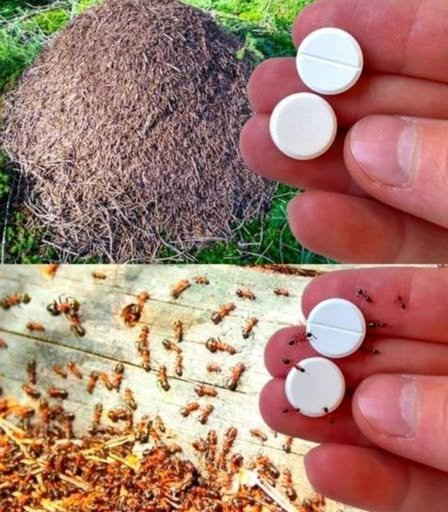
Finding a line of ants marching across your kitchen counter can be frustrating. One tiny trail can quickly turn into dozens—or even hundreds—of unwanted visitors searching for food and water.
The good news is that you don’t always need strong chemical sprays to manage a minor ant problem. A combination of cleaning, removing food sources, sealing entry points, and using simple household methods can make your home much less attractive to ants.
However, it’s important to understand that natural remedies don’t always eliminate an entire colony. If ants keep returning despite your efforts, identifying and addressing the nest may be necessary.
Why Are Ants Coming Into Your Home?
Ants usually enter buildings because they’re looking for one or more basic resources:
- Food
- Water
- Shelter
- Suitable temperatures
Crumbs, sugary spills, pet food, overflowing trash cans, and even small amounts of grease can attract foraging ants.
Once one ant discovers a reliable food source, it can leave a chemical trail that helps other ants find the same location.
That’s why simply killing the ants you see often doesn’t solve the underlying problem.
1. Start With a Thorough Cleaning
The most important natural ant-control method may be the simplest: remove what is attracting them.
Clean countertops, floors, tables, and other surfaces regularly.
Pay particular attention to:
- Sugar spills
- Honey and syrup
- Fruit juice
- Crumbs
- Grease
- Food around appliances
- Pet-food areas
- Sticky residues
After cleaning, dry the area thoroughly.
Don’t forget less obvious locations such as underneath the refrigerator, behind kitchen appliances, and inside cabinets.
2. Store Food in Sealed Containers
Open food packaging can become an easy target for ants.
Keep foods such as:
- Sugar
- Flour
- Cereal
- Cookies
- Candy
- Dried fruit
- Pet food
in tightly sealed containers.
Don’t leave ripe fruit sitting uncovered for long periods if ants are already active in your kitchen.
3. Clean Ant Trails
If you see ants following the same route repeatedly, clean the trail rather than simply killing individual ants.
A household cleaner or soapy water can help remove food residues and the scent trail ants use to navigate.
Wipe the entire route, including nearby surfaces where ants have been traveling.
Repeat the cleaning if the trail returns.
4. Try White Vinegar for Trail Cleaning
A diluted vinegar solution can be useful for cleaning surfaces where ants have been traveling.
Mix approximately equal parts water and white vinegar and use it to wipe suitable hard surfaces.
The strong smell can interfere with the scent trail temporarily, but vinegar should not be considered a reliable way to eliminate an entire colony.
Also avoid using vinegar on surfaces that can be damaged by acids, such as certain natural stones.
5. Seal Cracks and Entry Points
If ants keep appearing, look for where they’re getting inside.
Check:
- Window frames
- Door frames
- Baseboards
- Cracks around pipes
- Gaps around cables
- Wall openings
- Areas around sinks
- Cracks in foundations
Once you identify an entry point, seal the gap with an appropriate household sealant or caulk.
This can be much more effective long-term than repeatedly spraying ants after they’ve already entered.
6. Keep the Kitchen Dry
Food isn’t the only thing ants search for.
Water can also attract them.
Fix leaking faucets and pipes, wipe up standing water, and don’t leave wet sponges or cloths sitting around indefinitely.
Pay particular attention to areas beneath sinks and around refrigerators.
7. Use Cinnamon as a Temporary Deterrent
Cinnamon is commonly suggested as a natural ant deterrent.
You can place a small amount of ground cinnamon near an entry point or areas where ants are active.
However, results can vary considerably.
Cinnamon may discourage some ants from particular areas, but it shouldn’t be treated as a guaranteed colony-control method.
8. Try Citrus Peels
The strong scent of citrus is another traditional household method.
Place fresh lemon or orange peels near potential entry points and replace them when they dry out.
You can also use citrus-scented household cleaning products on appropriate surfaces.
Again, this is best viewed as a temporary deterrent, not a complete solution for an established infestation.
9. Don’t Leave Pet Food Out
If you have pets, their food can become an unexpected source of attraction.
Try feeding pets at designated times and clean up leftover food rather than allowing it to sit for hours.
Wash food bowls regularly and clean the surrounding floor.
10. Manage Your Garbage
Keep garbage cans covered and empty them regularly.
Food scraps—especially sugary or greasy leftovers—can attract ants.
Clean the inside and outside of garbage containers periodically to remove residues and odors.
What About Baking Soda?
Baking soda is frequently recommended online as a natural ant killer.
However, many popular claims about household powders being guaranteed ways to destroy colonies are exaggerated.
Rather than relying on an unproven homemade mixture, focus first on sanitation, trail removal, exclusion, and eliminating sources of food and water.
What About Essential Oils?
Peppermint, tea tree, eucalyptus, and other essential oils are often promoted as ant repellents.
Some scents may discourage ants temporarily, but their effectiveness can vary depending on the ant species, concentration, and situation.
If you use essential oils around your home, keep them away from children and pets and follow appropriate safety precautions. Some essential oils can be irritating or toxic to animals.
The Most Important Step: Find the Source
If ants continue appearing every day, don’t focus only on the individual insects.
Follow the trail if possible.
Look for where they enter walls, floors, windows, doors, or other structural gaps.
You may discover that the ants are traveling from a nest outside the house or from a hidden location inside the building.
Removing the attraction and blocking the route can be much more effective than repeatedly killing visible ants.
Why Killing Every Ant You See May Not Solve the Problem
Most ants you see around the house are workers searching for resources.
If the colony remains active, new workers can continue arriving.
That’s why effective ant management usually involves several steps:
Clean → remove food → remove water sources → erase trails → seal entry points → monitor.
This approach addresses the conditions attracting ants rather than only the insects you can see.
When Natural Methods Aren’t Enough
A small number of ants can often be managed with sanitation and exclusion.
But consider professional pest-control advice if:
- Ant activity continues for weeks
- Large numbers appear every day
- Ants are emerging from walls or electrical areas
- You find structural damage
- You cannot locate the source
- The infestation is spreading throughout the house
- The ants appear to be a species that requires specialized treatment
If you live in an apartment or shared building, the source may also be outside your individual unit.
Keep Your Home Less Attractive to Ants
Prevention is easier than repeatedly dealing with an infestation.
Make these habits part of your routine:
- Wipe kitchen counters regularly.
- Clean crumbs immediately.
- Store food in sealed containers.
- Keep floors free of food debris.
- Empty garbage regularly.
- Fix leaking faucets and pipes.
- Keep pet-food areas clean.
- Seal cracks around windows and doors.
- Remove standing water.
- Inspect potential entry points periodically.
Final Thoughts
You don’t necessarily need harsh chemical sprays every time you see a few ants.
For minor problems, good sanitation, removing food and water sources, cleaning ant trails, and sealing entry points can go a long way toward making your home less attractive to ants.
Natural deterrents such as vinegar, cinnamon, and citrus may provide temporary help, but they’re not guaranteed to eliminate an established colony.
The most effective approach is to stop thinking only about the ants you can see and instead address why they’re entering your home in the first place.
SEO Details
SEO Title: Natural Ways to Get Rid of Ants Without Chemicals
Meta Description: Discover natural ways to combat ants at home, including cleaning trails, sealing entry points, removing food sources, and using simple household methods.
Focus Keyword: natural ways to get rid of ants
Slug: natural-ways-to-get-rid-of-ants-without-chemicals
Category: Home & Garden
Tags: natural ant control, get rid of ants, ant prevention, home remedies for ants, pest control, natural pest control, kitchen ants, gardening tips