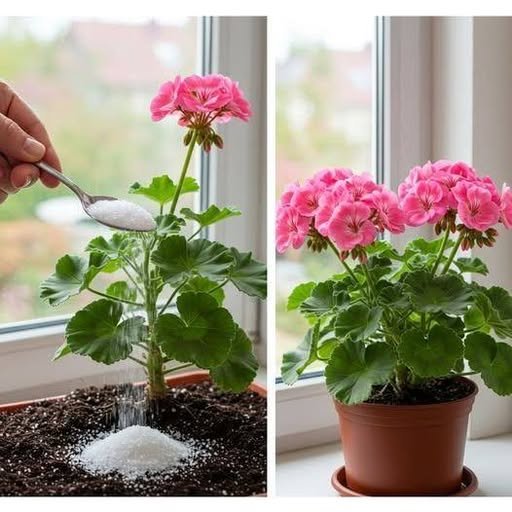
Geraniums are among the most rewarding flowering plants to grow. With plenty of sunlight, good soil, regular feeding, and—most importantly—the right watering routine, they can produce colorful blooms for a long season.
But watering geraniums isn’t simply a matter of giving them water every day.
Too much water can cause problems just as quickly as too little. The key is knowing when your plant actually needs water and allowing excess moisture to drain away.
If your geranium has plenty of leaves but few flowers, or if the leaves are turning yellow and the soil stays wet for days, your watering routine may need a change.
The Golden Rule: Water When the Soil Begins to Dry
Geraniums generally prefer soil that is moist but not constantly saturated.
Before watering, check the top layer of soil with your finger.
If the top 1–2 inches feels dry, it’s usually time to water.
If the soil is still damp, wait a little longer.
This is much more reliable than following a strict schedule such as watering every morning or every evening.
How to Water Geraniums Properly
When your geranium needs water, don’t simply sprinkle a few drops over the leaves.
Instead:
- Check the soil first.
- Pour water slowly around the base of the plant.
- Continue watering until some water begins to drain from the bottom of the pot.
- Allow the excess water to drain completely.
- Empty any water sitting in the plant saucer.
- Wait until the soil begins to dry again before watering.
This method encourages the roots to receive enough moisture without leaving them sitting in constantly wet soil.
Avoid Watering the Leaves Too Often
Whenever possible, direct water toward the soil rather than repeatedly soaking the foliage.
Wet leaves that remain damp for long periods can create conditions that encourage fungal and other plant-health problems.
Watering early in the day also gives any moisture that lands on the foliage more time to dry.
Don’t Keep Geraniums Sitting in Water
One of the biggest mistakes with container-grown geraniums is poor drainage.
If the pot has no drainage hole, excess water has nowhere to escape.
This can leave the roots in saturated soil and may contribute to root problems.
Choose a container with adequate drainage holes and use a well-draining potting mix.
A decorative outer pot can still be used, but make sure excess water isn’t trapped inside it.
How Often Should You Water Geraniums?
There is no single watering schedule that works for every geranium.
The plant may need water more frequently during:
- Hot weather
- Bright sunlight
- Active flowering
- Dry or windy conditions
- Rapid growth
It may need water less frequently during:
- Cool weather
- Cloudy periods
- Winter
- Low-light conditions
- Extended periods of high humidity
A plant growing in a small container may also dry out faster than one growing in a large pot.
Check the soil rather than relying on the calendar.
Signs Your Geranium Needs More Water
Your plant may be thirsty if you notice:
- Wilted or drooping leaves
- Dry, crumbly soil
- Leaves becoming unusually limp
- Flowers wilting quickly
- The pot feeling unusually light
If the soil is extremely dry, water thoroughly rather than giving the plant just a tiny splash.
Signs You’re Watering Too Much
Overwatering can cause symptoms that sometimes look surprisingly similar to underwatering.
Watch for:
- Yellowing leaves
- Soft or weak growth
- Constantly wet soil
- A musty smell from the soil
- Leaves dropping despite wet soil
- Poor flowering
- Root problems
If the soil remains wet for a long time, reduce watering and check whether the container drains properly.
Watering Alone Won’t Give You More Flowers
If you want geraniums covered in blooms, watering is only one part of the equation.
Give Them Plenty of Light
Geraniums generally perform best with plenty of bright light. Adequate sunlight helps support strong growth and flowering.
If your plant receives very little light, increasing water won’t necessarily solve poor flowering.
Remove Faded Flowers
One of the simplest ways to keep the plant looking attractive is to remove spent flower heads.
Cut or pinch off faded blooms and their stems rather than allowing the plant to spend unnecessary energy producing seeds.
Regular deadheading can encourage continued flowering in many geranium varieties.
Feed During Active Growth
Geraniums benefit from regular fertilization during periods of active growth.
Use a balanced or flowering-plant fertilizer according to the product’s instructions.
Avoid assuming that more fertilizer means more flowers. Excess fertilizer can damage plants and contribute to excessive leafy growth.
Use Well-Draining Soil
Geraniums don’t thrive when their roots remain constantly saturated.
A quality container mix that drains well can make watering much easier.
A Simple Geranium Watering Routine
Try this simple routine:
Step 1: Check the top inch or two of soil.
Step 2: If it’s still moist, wait.
Step 3: If it’s dry, water thoroughly at the base.
Step 4: Allow excess water to drain from the pot.
Step 5: Empty the saucer if necessary.
Step 6: Check the soil again in a few days.
This approach is much better than automatically watering every day.
Morning Is Often a Good Time to Water
Morning watering can be convenient because plants have the day ahead to use available moisture and foliage has more opportunity to dry if it becomes wet.
However, the most important factors are watering when needed and avoiding prolonged waterlogging.
What About Rainwater?
Rainwater can be useful for many garden plants, provided it is collected and stored safely.
If your geraniums receive substantial rainfall, don’t automatically water them again simply because it is part of your normal routine.
Check the soil first.
Can You Overwater Geraniums in Summer?
Yes.
Hot weather increases evaporation, but that doesn’t mean geraniums should remain constantly wet.
Instead of watering according to temperature alone, check the soil regularly.
Container plants exposed to intense sunlight may dry quickly, while plants in larger containers or humid conditions may remain moist for much longer.
Why Are My Geraniums Leafy but Not Flowering?
If your geranium has lots of leaves but very few flowers, consider several factors:
- Insufficient sunlight
- Too much nitrogen fertilizer
- Inconsistent watering
- Poor drainage
- Lack of deadheading
- Temperature stress
- Natural seasonal changes
- The specific geranium variety
Watering correctly can help, but it cannot compensate for inadequate light or unsuitable growing conditions.
The Bottom Line
If you want geraniums that stay lush, healthy, and full of flowers, don’t focus on watering them constantly.
Instead, check the soil regularly and water thoroughly when the upper layer has started to dry. Make sure the pot drains well, keep the plant in an appropriate amount of light, remove faded flowers, and provide suitable nutrition during active growth.
The goal isn’t more water—it’s the right amount of water at the right time.
SEO Details
SEO Title: How to Water Geraniums for More Flowers and Lush Growth
Meta Description: Learn how to water geraniums correctly, avoid overwatering, encourage more flowers, and keep your plants lush, leafy, and healthy.
Focus Keyword: how to water geraniums
Slug: how-to-water-geraniums-for-more-flowers
Category: Gardening
Tags: geranium care, how to water geraniums, geranium flowers, gardening tips, flowering plants, geranium watering, container gardening, plant care