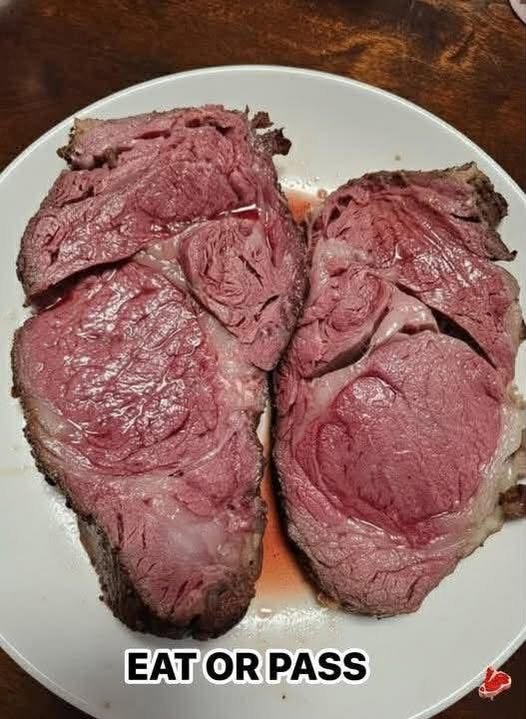
Perfect Prime Rib Roast Recipe
A Perfect Prime Rib Roast is one of those impressive meals that looks like it belongs in an expensive steakhouse but can actually be prepared at home with the right technique. The secret is simple: choose a well-marbled roast, season it generously, cook it slowly for even doneness, and finish it with high heat to create a beautifully browned crust.
The result is tender, juicy beef with a flavorful herb-and-garlic crust and a rich, buttery center. Whether you’re preparing Christmas dinner, a holiday feast, Sunday lunch, or a special family gathering, this prime rib roast makes an unforgettable centerpiece.
This recipe uses a low-and-slow roasting method followed by a high-temperature finish. It gives you better control over the internal temperature and helps create the beautiful contrast between the deeply browned exterior and tender interior.
Why You’ll Love This Prime Rib Roast
- Tender and juicy beef
- Beautifully browned crust
- Simple seasoning that lets the beef shine
- Excellent for holidays and special occasions
- Easy to prepare with basic ingredients
- Works for both bone-in and boneless roasts
- Can be prepared ahead of time
- Perfect with au jus, horseradish sauce, mashed potatoes, and roasted vegetables
Ingredients
For the Prime Rib
- 1 standing rib roast, approximately 4–6 pounds
- 2 tablespoons olive oil
- 2 tablespoons kosher salt
- 1 tablespoon freshly ground black pepper
- 6 cloves garlic, minced
- 2 tablespoons fresh rosemary, finely chopped
- 2 tablespoons fresh thyme leaves
- 1 tablespoon Dijon mustard
- 1 teaspoon onion powder
For the Au Jus
- Beef drippings from the roasting pan
- 2 cups beef broth
- ½ cup red wine, optional
- 1 teaspoon Worcestershire sauce
- 1 small shallot, finely chopped
- Salt and black pepper, to taste
Optional Horseradish Sauce
- ½ cup sour cream
- 2 tablespoons prepared horseradish
- 1 teaspoon Dijon mustard
- 1 tablespoon lemon juice
- ¼ teaspoon black pepper
- Pinch of salt
How to Make Perfect Prime Rib Roast
Step 1: Choose Your Prime Rib
For the best results, choose a roast with good marbling.
Marbling refers to the small streaks of fat running through the meat. As the roast cooks, this fat melts and helps keep the beef juicy and flavorful.
A bone-in standing rib roast is an excellent choice for a special occasion because the bones contribute flavor and make an impressive presentation.
A boneless roast works as well and is slightly easier to carve.
How Much Prime Rib Do You Need?
As a general guide, plan for approximately:
- Bone-in: ¾ to 1 pound per person
- Boneless: ½ to ¾ pound per person
If you’re serving several side dishes, you can stay toward the lower end of the range.
For leftovers, choose a slightly larger roast.
Step 2: Bring the Roast to Room Temperature
Remove the prime rib from the refrigerator approximately 1–2 hours before cooking.
Place it on a large tray and pat the surface completely dry with paper towels.
Drying the exterior helps the seasoning adhere and promotes better browning.
Avoid leaving raw beef at room temperature longer than necessary. Keep the roast covered and handle it safely while it comes toward a suitable cooking temperature.
Step 3: Season the Prime Rib
In a small bowl, combine:
- Kosher salt
- Black pepper
- Garlic
- Rosemary
- Thyme
- Dijon mustard
- Onion powder
- Olive oil
Mix until you have a thick herb-garlic paste.
Rub the mixture generously over every surface of the roast.
Make sure to season the sides as well as the top.
For an especially flavorful crust, gently press the herbs and garlic against the surface so they stick.
Step 4: Rest the Seasoned Roast
If possible, season the roast several hours before cooking.
For an even deeper flavor, you can season it the night before and refrigerate it uncovered on a rack over a tray.
This allows the salt to penetrate the meat and also helps dry the surface, which encourages better browning.
If you’re preparing the roast the same day, don’t worry. A generous seasoning shortly before cooking can still produce excellent results.
Step 5: Prepare the Oven
Preheat your oven to 250°F (120°C).
The relatively low temperature is the key to the slow-roasting method.
Place the prime rib fat-side up on a roasting rack.
If you’re using a bone-in roast, the bones can naturally act as a rack beneath the meat.
Insert an oven-safe meat thermometer into the thickest part of the roast.
Make sure the thermometer isn’t touching the bone, as this can give an inaccurate reading.
Step 6: Slow Roast the Prime Rib
Place the roast in the oven.
Cook until the center reaches your desired temperature.
Cooking time varies considerably depending on the size and shape of the roast, so temperature is much more reliable than time.
Approximate internal temperatures for removing the roast from the oven are:
- Rare: 115–120°F
- Medium-rare: 120–125°F
- Medium: 130–135°F
- Medium-well: 140–145°F
Remember that the internal temperature will rise during resting and the final high-heat sear.
For a classic prime rib, medium-rare is generally the most popular target.
Step 7: Remove and Rest the Roast
Once the roast reaches your target temperature, carefully remove it from the oven.
Transfer it to a cutting board or clean roasting surface.
Loosely tent it with aluminum foil.
Allow the roast to rest for approximately 20–30 minutes.
Resting is essential.
It allows the juices to redistribute throughout the meat and gives the roast time to stabilize before the final searing step.
Step 8: Increase the Oven Temperature
After the roast has rested, increase the oven temperature to approximately 500°F (260°C).
Once the oven is fully heated, return the prime rib to the oven.
Roast for approximately 5–10 minutes, watching closely.
The goal is not to cook the center significantly more.
You’re simply creating a deeply browned, flavorful crust on the outside.
This high-temperature finishing step is what gives the roast its steakhouse-style appearance.
Step 9: Rest Again
Remove the roast from the oven.
Allow it to rest for another 5–10 minutes before carving.
There’s no need for a long second rest because the roast already rested after the low-temperature cooking stage.
Step 10: Carve the Prime Rib
If you’re using a bone-in roast, start by separating the rib bones from the main roast.
Run a sharp carving knife along the bones, following the natural curve of the meat.
Then slice the roast across the grain.
For a classic presentation, cut thick slices.
If you prefer smaller portions, slice more thinly.
Arrange the slices on a warm serving platter.
How to Make Prime Rib Au Jus
The rich beef drippings left in the roasting pan can be transformed into a simple and flavorful au jus.
Step 1: Collect the Drippings
Pour the juices and drippings from the roasting pan into a saucepan.
If there is a large amount of fat, skim some of it from the surface.
Step 2: Add the Shallot
Place the saucepan over medium heat.
Add the chopped shallot and cook for 2–3 minutes.
Step 3: Deglaze
Add the red wine if using.
Scrape the bottom of the pan to loosen any browned bits.
Allow the wine to simmer for a couple of minutes.
Step 4: Add Beef Broth
Pour in the beef broth and Worcestershire sauce.
Bring the mixture to a gentle simmer.
Cook for approximately 10 minutes.
Taste and adjust the seasoning.
Strain the au jus if you prefer a smooth sauce.
Serve warm alongside the prime rib.
Creamy Horseradish Sauce
Prime rib and horseradish are a classic combination.
Mix together:
- Sour cream
- Prepared horseradish
- Dijon mustard
- Lemon juice
- Black pepper
- Salt
Taste and adjust the horseradish according to your preference.
For a stronger sauce, add another spoonful of horseradish.
For a milder sauce, add a little more sour cream.
Keep refrigerated until ready to serve.
Tips for the Perfect Prime Rib
Use a Meat Thermometer
This is the single most useful tool when cooking prime rib.
Oven temperatures and roasting times vary, but the internal temperature tells you exactly how the meat is progressing.
Don’t Rely Only on Cooking Time
A 5-pound roast doesn’t necessarily take exactly the same amount of time every time you cook it.
Shape, starting temperature, oven performance, and desired doneness can all affect cooking time.
Use time as a guideline and temperature as your primary indicator.
Season Generously
Prime rib is a large piece of meat, so it needs enough seasoning to flavor the entire roast.
Don’t be afraid to season all sides.
Dry the Surface
Moisture on the surface prevents effective browning.
Pat the roast thoroughly dry before seasoning.
If you have time, refrigerating the seasoned roast uncovered overnight can help dry the exterior further.
Don’t Skip the Resting Period
Cutting the roast immediately after cooking can cause valuable juices to run onto the cutting board.
Resting helps keep the meat juicy.
Use Fresh Herbs
Fresh rosemary and thyme provide a more vibrant flavor than dried herbs.
However, dried herbs can be substituted if necessary.
Prime Rib Doneness Guide
Your preferred level of doneness is ultimately a personal choice.
Rare
Deep red center with a very tender texture.
Medium-Rare
Warm red-to-pink center with excellent tenderness and juiciness.
Medium
Pink center with a firmer texture.
Medium-Well
Mostly cooked through with only a small amount of pink.
Well-Done
Little to no pink remaining.
For prime rib, many people prefer medium-rare to medium because these temperatures preserve the tenderness and juiciness that make the cut special.
What to Serve With Prime Rib
Prime rib is rich and flavorful, so classic side dishes work beautifully.
Creamy Mashed Potatoes
Smooth mashed potatoes are perfect for soaking up the au jus.
Roasted Vegetables
Try:
- Carrots
- Brussels sprouts
- Asparagus
- Green beans
- Broccoli
Yorkshire Pudding
A classic pairing with roast beef, Yorkshire pudding is excellent for soaking up the beef juices.
Creamed Spinach
Rich, creamy spinach provides a classic steakhouse-style accompaniment.
Roasted Garlic
Roasted garlic adds sweetness and depth and can be spread over bread or mixed into mashed potatoes.
Can You Prepare Prime Rib Ahead of Time?
Yes.
You can season the roast the day before cooking and refrigerate it uncovered.
This not only saves time on the day of your meal but can also improve the flavor and browning.
You can also prepare the horseradish sauce and au jus ahead of time.
When it’s time for dinner, focus on cooking the roast and finishing the sides.
How to Store Leftover Prime Rib
Allow leftover roast to cool appropriately before refrigerating.
Store it in an airtight container or wrap it tightly.
Refrigerated leftovers are best consumed within 3–4 days.
For the best texture, slice only what you plan to serve and keep the remaining roast intact.
How to Reheat Prime Rib
The microwave can quickly overcook prime rib, so gentle reheating is preferable.
Place slices in a covered baking dish with a small amount of beef broth or au jus.
Warm gently in a low oven until heated to your preferred temperature.
Avoid prolonged high heat because it can turn tender prime rib dry and chewy.
Frequently Asked Questions
What is the best temperature to cook prime rib?
A low oven temperature around 250°F (120°C) works well for the slow-roasting method used in this recipe. The roast is then finished at a very high temperature to brown the exterior.
Should prime rib be covered while roasting?
No. Roast it uncovered so the exterior can dry and brown properly.
Should I sear prime rib before or after roasting?
This recipe uses a reverse-sear approach, meaning the roast is cooked gently first and browned at the end. This helps create an evenly cooked interior with a deeply browned exterior.
Can I cook a boneless prime rib?
Yes. Boneless prime rib works very well. The cooking time may differ, so use the internal temperature as your guide.
Why is my prime rib tough?
Prime rib can become tough if it is overcooked or sliced incorrectly. Cooking it beyond your desired doneness can reduce tenderness, while slicing against the grain makes it easier to chew.
Can I use dried herbs?
Yes. Fresh herbs are preferred, but dried rosemary and thyme can be substituted. Use smaller quantities because dried herbs are more concentrated.
Recipe at a Glance
Recipe: Perfect Prime Rib Roast
Prep Time: 20 minutes
Optional Dry-Brining Time: Overnight
Roasting Time: Varies by roast size and desired temperature
Resting Time: 20–30 minutes
Final Sear: 5–10 minutes
Servings: Approximately 6–8
Course: Main Course
Cuisine: American
Cooking Method: Slow roasting + high-heat finishing
Final Thoughts
This Perfect Prime Rib Roast recipe is all about technique rather than complicated ingredients. A beautifully marbled roast, generous seasoning, gentle roasting, careful temperature monitoring, and a final blast of high heat are enough to produce an impressive centerpiece.
The slow-roasting method gives the beef an evenly cooked, tender interior, while the final high-temperature finish creates the deeply browned crust that makes prime rib so irresistible.
Serve thick slices with homemade au jus, creamy horseradish sauce, mashed potatoes, roasted vegetables, and plenty of warm bread. Whether you’re preparing a holiday dinner or simply want to make an unforgettable Sunday roast, this prime rib recipe is a reliable choice for a spectacular meal.