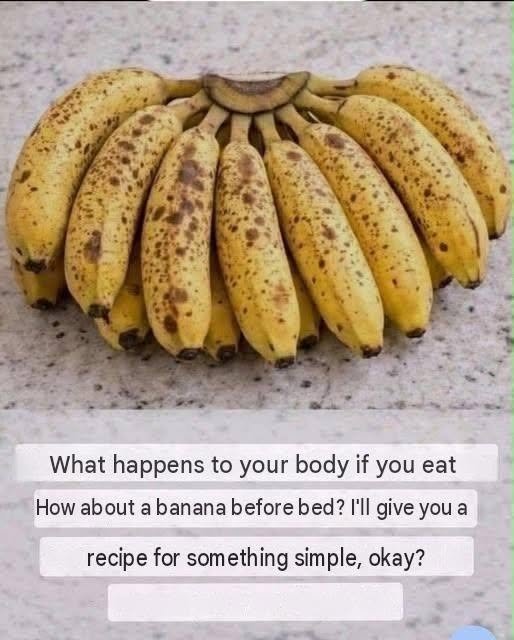
Bananas are one of the easiest fruits to add to your daily diet. They’re naturally sweet, filling, inexpensive, and provide several important nutrients. But one question comes up often: Is eating a banana at night good or bad for you?
For most healthy adults, eating a banana in the evening is perfectly reasonable. The effects depend more on your overall diet, portion size, and individual tolerance than on the time of day.
1. It Can Be a Satisfying Evening Snack
A banana contains carbohydrates and fiber, which can help make a snack more filling than many highly processed sweets.
If you’re hungry in the evening, a banana can be a simple alternative to cookies, candy, or other heavily processed snacks.
For a more substantial snack, you can pair it with a source of protein or healthy fat, such as plain yogurt or a small amount of peanut butter.
2. It Provides Potassium
Bananas are well known for their potassium content.
Potassium is an essential mineral involved in:
- Normal muscle function
- Nerve signaling
- Fluid balance
- Maintaining normal blood pressure
However, eating a banana at night doesn’t provide a special or unique potassium benefit simply because it’s nighttime. Your body uses potassium throughout the day and night.
3. It Contains Vitamin B6
Bananas provide vitamin B6, which plays an important role in normal metabolism and nervous-system function.
Vitamin B6 is also involved in the production and use of certain neurotransmitters. While bananas are nutritious, it’s important not to interpret this as meaning that a banana will automatically improve sleep or mood.
4. It May Help Satisfy a Sweet Craving
If you frequently want something sweet after dinner, a banana can provide natural sweetness without needing to reach for a dessert loaded with added sugar.
You can eat it plain or add it to:
- Plain yogurt
- Oatmeal
- Chia pudding
- A small serving of nut butter
- Cottage cheese
The best choice depends on your nutritional needs and preferences.
5. It Provides Fiber
Bananas contain dietary fiber, which contributes to overall digestive health and can help make meals and snacks more satisfying.
A ripe banana generally contains less resistant starch than a greener banana, while greener bananas contain more resistant starch. The amount and type of fiber therefore change somewhat as the fruit ripens.
6. It Doesn’t Automatically Cause Weight Gain at Night
One common myth is that eating a banana after dinner automatically causes weight gain.
That’s not how body weight works.
Weight changes are influenced by overall calorie intake, physical activity, metabolism, dietary patterns, and other factors. A banana doesn’t suddenly become fattening because you eat it at night.
However, if you’re trying to lose weight, portion size and your total daily calorie intake still matter.
7. Some People May Find It Helpful as a Pre-Bedtime Snack
If you occasionally feel hungry before bed, a banana can be a convenient snack.
Some people combine it with protein or healthy fat to make it more filling. For example, a small banana with plain Greek yogurt can be more substantial than fruit alone.
But there is not strong evidence that eating a banana before bed is a guaranteed way to improve sleep.
8. It May Not Agree With Everyone
Although bananas are well tolerated by most people, they can cause digestive discomfort in some individuals.
Depending on the person and the amount eaten, symptoms can include:
- Bloating
- Gas
- Abdominal discomfort
If you consistently notice digestive symptoms after eating bananas, consider reducing the portion or discussing your symptoms with a healthcare professional.
9. People With Diabetes May Need to Consider Portion Size
Bananas contain naturally occurring carbohydrates, so they can raise blood glucose.
This doesn’t mean people with diabetes need to avoid bananas. Instead, the amount eaten and the overall meal or snack should be considered.
A smaller banana or a portion paired with protein or healthy fat may fit more easily into some people’s eating patterns.
If you use insulin or glucose-lowering medication, follow the individualized dietary guidance provided by your healthcare professional.
10. Kidney Disease Is a Special Consideration
Bananas contain potassium, which is normally an important nutrient.
However, people with certain kidney conditions may be advised to limit potassium intake because damaged kidneys may have difficulty removing excess potassium from the blood.
If you’ve been told to follow a low-potassium diet, don’t assume bananas are appropriate simply because they’re a healthy food. Follow your clinician or dietitian’s recommendations.
So, Is Eating a Banana at Night Good or Bad?
For most healthy people, a banana at night is neither inherently good nor bad.
It can be a convenient, nutritious snack that provides carbohydrates, fiber, potassium, and vitamin B6. What matters most is your overall eating pattern and your individual nutritional needs.
A Simple Nighttime Banana Snack
For a balanced evening snack, try:
1 small banana + ½ cup plain Greek yogurt
Or:
1 small banana + 1 tablespoon natural peanut butter
These combinations provide more protein and may be more satisfying than eating a banana alone.
Final Takeaway
Eating a banana at night doesn’t automatically increase weight, cause health problems, or guarantee better sleep. For most people, it’s simply another nutritious fruit that can be included in a balanced diet.
If you have diabetes, kidney disease, or another condition requiring specific dietary restrictions, your ideal portion may be different. When in doubt, follow the advice of your healthcare professional rather than relying on claims that a particular food has special effects simply because it’s eaten at night.