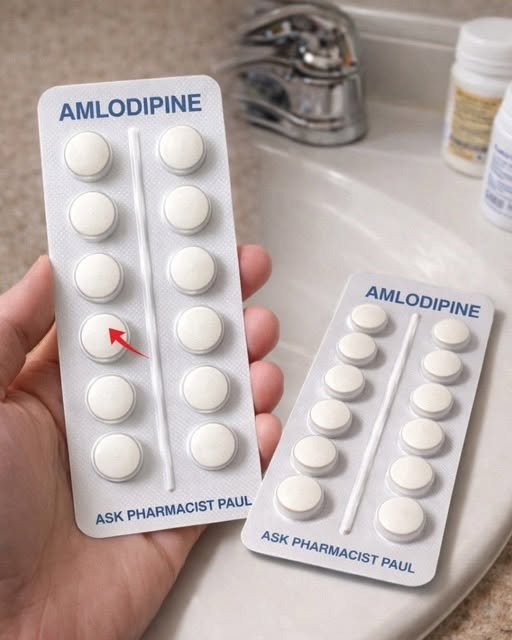
If you take amlodipine for high blood pressure or angina, your daily habits can affect how well you tolerate the medicine and how effectively you manage your blood pressure.
Amlodipine is a calcium-channel blocker that relaxes and widens blood vessels, helping lower blood pressure. It is commonly taken once daily and may be used as a long-term treatment.
That doesn’t mean you need to completely change your lifestyle or avoid everything you enjoy. However, there are several habits worth reconsidering while taking amlodipine.
Here are eight to pay attention to.
1. Don’t Stop Amlodipine Because You Feel Better
One of the biggest mistakes is assuming that normal blood pressure means the medication is no longer necessary.
High blood pressure often causes no obvious symptoms. Amlodipine controls blood pressure while you take it, but stopping it without medical advice can allow your blood pressure to rise again.
If you want to reduce or stop your medication, speak with your doctor first. NHS guidance specifically advises not stopping amlodipine unless a doctor tells you to.
2. Don’t Ignore Persistent Ankle or Foot Swelling
Swelling around the ankles and feet is one of the recognized side effects of amlodipine.
It can occur because calcium-channel blockers affect blood-vessel pressure in the smaller vessels, allowing fluid to move into surrounding tissues. The swelling is often not dangerous, but persistent or troublesome edema should be discussed with a healthcare professional.
Don’t simply stop taking amlodipine because your ankles are swollen.
Your doctor may be able to adjust your treatment or investigate whether something else is contributing to the swelling.
3. Don’t Ignore Dizziness
Amlodipine lowers blood pressure, so some people experience dizziness, headaches, tiredness or sleepiness, particularly when starting treatment or after a dose change.
If you feel dizzy:
- Rise slowly from a chair or bed.
- Sit down if you suddenly feel lightheaded.
- Be careful on stairs.
- Avoid driving or operating machinery while you are dizzy or sleepy.
- Check your blood pressure if your healthcare professional has recommended home monitoring.
Repeated dizziness or fainting deserves medical attention.
4. Don’t Drink Excessive Alcohol
Alcohol can contribute to low blood pressure and may make dizziness or lightheadedness more noticeable when you’re taking amlodipine.
If you drink alcohol, discuss an appropriate amount with your doctor or pharmacist, particularly if you already experience dizziness or have low blood pressure.
The goal isn’t simply to blame every episode of dizziness on amlodipine. Other medicines, dehydration and medical conditions can also affect blood pressure.
5. Don’t Take Herbal Supplements Without Checking First
“Natural” doesn’t automatically mean “interaction-free.”
Some herbal products can interact with prescription medicines. NHS guidance specifically lists St John’s wort among herbal medicines that may not mix well with amlodipine.
Before starting a new:
- Herbal remedy
- Vitamin supplement
- Weight-loss product
- Energy supplement
- Traditional medicine
- Over-the-counter medication
tell your doctor or pharmacist that you’re taking amlodipine.
This is especially important if you take several medications.
6. Don’t Eat Grapefruit or Drink Grapefruit Juice Without Checking Your Advice
This point deserves special attention because official guidance is not completely uniform across all amlodipine product information.
The current NHS patient guidance advises people taking amlodipine to avoid grapefruit and grapefruit juice because they may increase the chance of side effects.
However, some U.S. prescribing information reports that grapefruit juice did not significantly change amlodipine exposure in a small study.
Because product labeling and individual circumstances can differ, the safest practical approach is to follow the instructions supplied with your particular medicine and ask your pharmacist if you regularly consume grapefruit or grapefruit juice.
7. Don’t Add New Medicines Without Checking for Interactions
Amlodipine can interact with certain medicines.
For example, some medicines that inhibit the CYP3A enzyme system can increase amlodipine exposure, potentially increasing the risk of low blood pressure or swelling.
Amlodipine can also interact with certain other cardiovascular medicines and drugs used to treat infections or fungal infections.
There is another important interaction involving simvastatin. U.S. prescribing information recommends limiting simvastatin to 20 mg daily when it is used with amlodipine.
That’s why it is useful to keep an up-to-date list of every medication and supplement you take.
8. Don’t Treat Amlodipine as a Substitute for a Heart-Healthy Lifestyle
Amlodipine lowers blood pressure, but it doesn’t replace healthy habits.
Continue working on the factors that protect your cardiovascular health:
- Eat a balanced diet.
- Reduce excessive sodium intake.
- Eat plenty of vegetables and fruit.
- Stay physically active.
- Maintain a healthy weight when appropriate.
- Avoid smoking.
- Limit excessive alcohol.
- Get adequate sleep.
- Take your prescribed medicines consistently.
- Monitor your blood pressure when advised.
Medication and lifestyle changes often work together rather than competing with each other.
What Should You Do If You Have Side Effects?
Don’t automatically stop amlodipine.
Instead, make a note of what you’re experiencing and when it happens. Tell your doctor or pharmacist about symptoms such as:
- Persistent ankle or foot swelling
- Frequent dizziness
- Unusual tiredness
- Palpitations
- Headaches that don’t improve
- Flushing
- Persistent nausea
Your healthcare professional can determine whether the symptoms are related to amlodipine, another medicine, your blood pressure, or another condition.
When Should You Seek Urgent Medical Help?
Some symptoms require prompt medical attention rather than simply adjusting your daily habits.
Seek urgent help for symptoms such as:
- Severe difficulty breathing
- Fainting
- Severe or persistent chest pain
- Signs of a serious allergic reaction
- Sudden severe swelling
- Severe or unusual symptoms that develop rapidly
If you think you’re experiencing a heart attack or stroke, seek emergency medical care immediately.
The Bottom Line
Taking amlodipine doesn’t mean you have to live in fear of food, exercise or everyday activities.
The most important habits are to take the medicine as prescribed, avoid stopping it without medical advice, pay attention to persistent side effects, check before adding medicines or supplements, and maintain a heart-healthy lifestyle.
Amlodipine is an established treatment for high blood pressure and angina, but getting the best results involves more than simply taking a tablet every day. Small, consistent lifestyle choices can work alongside your prescribed treatment to support healthier blood pressure and cardiovascular health.