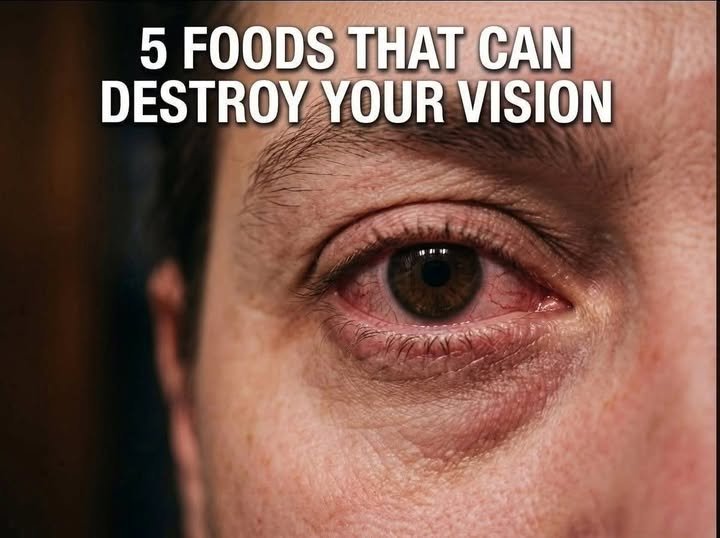
Your eyes need a steady supply of nutrients to maintain healthy vision, protect the retina, and support normal aging. There isn’t a single food that automatically damages your eyesight, but a diet consistently high in certain foods can contribute to health problems that may increase the risk of eye disease over time.
Here are five foods and food categories worth limiting.
1. Sugary Foods and Drinks
Sodas, sweetened juices, candy, cakes, cookies, and other foods high in added sugar can contribute to blood-sugar problems when consumed frequently.
Persistently elevated blood sugar can damage small blood vessels, including those supplying the retina. Diabetes is an important risk factor for diabetic retinopathy, a potentially serious cause of vision loss.
You don’t have to eliminate all carbohydrates or naturally sweet foods. The bigger concern is a consistently high intake of added sugars and highly refined foods.
2. Deep-Fried and Highly Processed Foods
Regularly eating foods such as fries, fried chicken, chips, and other heavily processed fried foods can make it harder to maintain a heart-healthy diet.
Cardiovascular health and eye health are closely connected because the retina depends on a healthy blood supply. A diet dominated by fried and highly processed foods may also contribute to unhealthy cholesterol levels and metabolic problems.
Try replacing some fried foods with baked, grilled, steamed, or roasted alternatives.
3. Processed Meats
Bacon, sausages, hot dogs, salami, and other processed meats can be high in sodium and saturated fat.
Eating large amounts regularly isn’t ideal for overall cardiovascular and metabolic health. Since the blood vessels supplying the eyes are part of the body’s circulatory system, maintaining good cardiovascular health is also important for protecting vision.
Choose lean poultry, fish, beans, lentils, or other less-processed protein sources more often.
4. Foods Very High in Sodium
Instant noodles, packaged soups, salty snacks, processed meats, and heavily salted convenience foods can contain substantial amounts of sodium.
Too much sodium can contribute to high blood pressure in susceptible people. Long-term uncontrolled high blood pressure can damage blood vessels throughout the body, including those supplying the eyes.
Instead of relying heavily on packaged foods, flavor meals with herbs, spices, garlic, lemon, and other lower-sodium ingredients.
5. Highly Refined Carbohydrates
White bread, pastries, many sweet breakfast cereals, and other highly refined carbohydrate foods can cause blood glucose to rise quickly, particularly when eaten in large portions.
A diet frequently dominated by refined carbohydrates may contribute to insulin resistance, weight gain, and type 2 diabetes—all of which can affect long-term eye health.
Whenever possible, choose higher-fiber alternatives such as whole grains, beans, vegetables, and whole fruits.
What Should You Eat for Healthier Eyes?
Rather than focusing only on foods to avoid, build your diet around foods that provide nutrients important for eye health.
Good choices include:
- Leafy green vegetables such as spinach and kale
- Carrots and other colorful vegetables
- Eggs
- Fish rich in omega-3 fatty acids
- Nuts and seeds
- Beans and lentils
- Citrus and other whole fruits
- Whole grains
A varied diet provides nutrients such as lutein, zeaxanthin, vitamin C, vitamin E, zinc, and omega-3 fatty acids, which are involved in maintaining normal eye function.
The Bottom Line
You don’t need to completely eliminate these five food categories to protect your eyesight. Overall dietary patterns matter much more than one individual food.
Keeping blood pressure and blood sugar under control, avoiding smoking, maintaining a healthy weight, exercising regularly, and having appropriate eye examinations can all be important for protecting vision as you age.
And if you experience sudden vision loss, flashes of light, a sudden increase in floaters, severe eye pain, or a curtain-like shadow across your vision, seek urgent medical attention rather than trying to treat the problem with food.