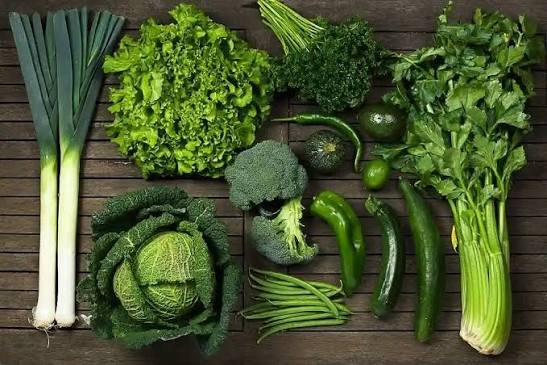
Our eyes depend on a steady supply of nutrients to maintain healthy tissues and protect against oxidative stress. While no single leaf, herb, or food can restore eyesight or replace treatment for an eye condition, adding a variety of nutrient-rich greens to your diet can be a smart part of an overall eye-health routine.
Some leaves are especially interesting because they provide lutein, zeaxanthin, beta-carotene, vitamin C, vitamin K, folate, and other plant compounds that contribute to a balanced diet.
Here are five nutritious leaves worth adding to your meals.
1. Spinach
Spinach is one of the best-known leafy greens for eye-friendly nutrition.
It contains lutein and zeaxanthin, two carotenoids that accumulate in the retina. These compounds are particularly concentrated in the macula, the part of the eye responsible for detailed central vision.
Lutein and zeaxanthin are also antioxidants and may help protect eye tissues from oxidative stress.
How to Eat More Spinach
Try adding spinach to:
- Omelets
- Smoothies
- Soups
- Salads
- Pasta
- Sandwiches
- Curries
- Stir-fries
Lightly cooking spinach can make some nutrients easier to absorb, especially when eaten with a source of healthy fat such as olive oil, avocado, nuts, or seeds.
2. Kale
Kale is another exceptionally nutrient-dense leafy green.
Like spinach, kale provides lutein and zeaxanthin, along with vitamin C and other beneficial plant compounds.
Because these nutrients are associated with the macula and retinal health, regularly including dark leafy greens in a balanced diet can contribute to overall eye nutrition.
Easy Ways to Enjoy Kale
You can use kale in:
- Salads
- Soups
- Smoothies
- Egg dishes
- Grain bowls
- Stir-fries
- Homemade kale chips
If raw kale feels too tough, massage it with a little olive oil and lemon juice before adding it to a salad.
3. Swiss Chard
Swiss chard is a colorful leafy green that provides several important nutrients.
It contains lutein and zeaxanthin, as well as vitamin C and other antioxidants.
The vibrant green leaves and colorful stems also make Swiss chard an easy way to add variety to your vegetable intake.
How to Use Swiss Chard
Try sautéing chopped Swiss chard with:
- Olive oil
- Garlic
- Black pepper
- Lemon juice
You can also add it to soups, stews, pasta, rice dishes, or egg recipes.
4. Collard Greens
Collard greens are another nutritious choice when you’re looking to increase your intake of leafy vegetables.
They provide vitamins, minerals, fiber, and carotenoids that contribute to a nutrient-rich diet.
Dark green vegetables such as collards can be especially useful when eaten regularly alongside other colorful vegetables and fruits.
Healthy Ways to Prepare Collard Greens
Instead of cooking them with large amounts of saturated fat or salty processed meats, try:
- Steaming
- Sautéing with olive oil and garlic
- Adding them to soups
- Mixing them into bean dishes
- Serving them with grilled fish or chicken
A squeeze of lemon juice can brighten their flavor.
5. Romaine Lettuce
Romaine lettuce may not receive as much attention as kale or spinach, but it can still contribute useful nutrients to your diet.
It contains beta-carotene and vitamin C, along with smaller amounts of lutein and zeaxanthin.
Romaine is also an easy everyday option because it requires little preparation.
Ways to Eat Romaine
Use romaine for:
- Fresh salads
- Lettuce wraps
- Sandwiches
- Tacos
- Grain bowls
- Chicken Caesar salads
Combine it with colorful vegetables, nuts, seeds, and a healthy dressing for a more nutrient-dense meal.
Why Lutein and Zeaxanthin Matter for the Eyes
Lutein and zeaxanthin are naturally occurring carotenoids found in several green and colorful vegetables.
They are concentrated in the macula and are often described as macular pigments.
Research has investigated their role in protecting the eyes from oxidative stress and potentially supporting visual health.
However, eating more lutein-rich vegetables does not mean that eyesight will suddenly become sharper or that glasses will no longer be necessary.
Nutrition is one piece of maintaining healthy eyes—not a replacement for appropriate eye care.
Other Foods That Support an Eye-Friendly Diet
You don’t have to rely only on leafy greens.
A varied diet can provide many nutrients important for normal eye function.
Consider regularly including:
Eggs
Egg yolks contain lutein and zeaxanthin and can be an easy addition to breakfast or lunch.
Carrots and Sweet Potatoes
These foods are rich in beta-carotene, which the body can convert into vitamin A.
Vitamin A is important for normal vision, particularly in low-light conditions.
Fatty Fish
Salmon, sardines, and other oily fish provide omega-3 fatty acids.
Citrus Fruits
Oranges, grapefruit, lemons, and other citrus fruits provide vitamin C.
Nuts and Seeds
Almonds, walnuts, sunflower seeds, and other nuts and seeds provide healthy fats and various micronutrients.
How to Make Your Diet More Eye-Friendly
You don’t need an expensive supplement routine to improve the nutritional quality of your meals.
A simple approach is to eat a variety of colorful foods throughout the week.
Try building meals around:
Dark leafy greens + colorful vegetables + fruit + protein + healthy fats
For example, you could make a spinach and egg breakfast, a large romaine salad for lunch, and grilled salmon with sautéed kale for dinner.
This provides a much broader range of nutrients than relying on one “superfood.”
Can These Leaves Improve Eyesight?
This is an important distinction.
Eating spinach, kale, Swiss chard, collard greens, or romaine lettuce can contribute nutrients associated with eye health, but these foods cannot guarantee sharper eyesight or reverse an eye disease.
If you have blurry vision, difficulty seeing at night, persistent eye pain, flashes of light, new floaters, or sudden changes in vision, don’t try to treat the problem with food alone.
An eye-care professional should evaluate significant or unexplained vision changes.
Tips for Getting More Eye-Friendly Greens
Eat Different Greens
Don’t stick to only one vegetable. Rotate spinach, kale, chard, collards, romaine, broccoli, and other vegetables.
Add Healthy Fat
Carotenoids such as lutein and zeaxanthin are fat-soluble. Including foods such as olive oil, avocado, nuts, seeds, or eggs with vegetables can help your body absorb them.
Don’t Overcook
Gentle cooking can make greens more enjoyable while helping preserve many nutrients.
Choose Fresh or Frozen
Both fresh and frozen vegetables can be nutritious options. Frozen greens can also be convenient when fresh produce isn’t available.
Focus on the Overall Diet
One food cannot make up for an otherwise poor diet. Variety matters more than searching for one “miracle” ingredient.
When Should You Have an Eye Exam?
Food is important, but regular eye examinations are also an essential part of protecting vision.
Consider getting professional evaluation if you notice:
- Persistent blurry vision
- Sudden changes in vision
- Eye pain
- New or sudden floaters
- Flashes of light
- Double vision
- Difficulty seeing at night
- Persistent redness or irritation
- A noticeable change in one eye
Sudden vision loss or a sudden major change in vision should be treated as an urgent medical problem.
Final Thoughts
Adding nutritious leafy greens to your meals is a simple way to support an overall healthy diet. Spinach, kale, Swiss chard, collard greens, and romaine lettuce all provide valuable nutrients and plant compounds that can contribute to normal eye health.
The key is not to look for one magical leaf that can fix your eyesight. Instead, focus on a varied diet rich in vegetables, fruits, healthy fats, fish, eggs, nuts, and other nutrient-dense foods.
And remember: good nutrition supports your eyes, but it doesn’t replace glasses, prescribed treatment, or regular professional eye examinations when they’re needed.
SEO Details
SEO Title: 5 Essential Leaves to Naturally Support Eye Health
Meta Description: Discover 5 nutritious leafy greens that provide lutein, zeaxanthin, beta-carotene, vitamin C, and other nutrients associated with healthy eyes.
Focus Keyword: leaves for eye health
Secondary Keywords: best leafy greens for eye health, foods for healthy eyes, spinach for eye health, kale for eye health, lutein rich foods, zeaxanthin foods, natural eye health foods
Suggested URL Slug: leaves-for-eye-health
Excerpt: Discover five nutritious leafy greens that can contribute to an eye-friendly diet. Learn how spinach, kale, Swiss chard, collard greens, and romaine provide important nutrients associated with eye health.